Z4
Eastern Anatolian highland steppe
Description
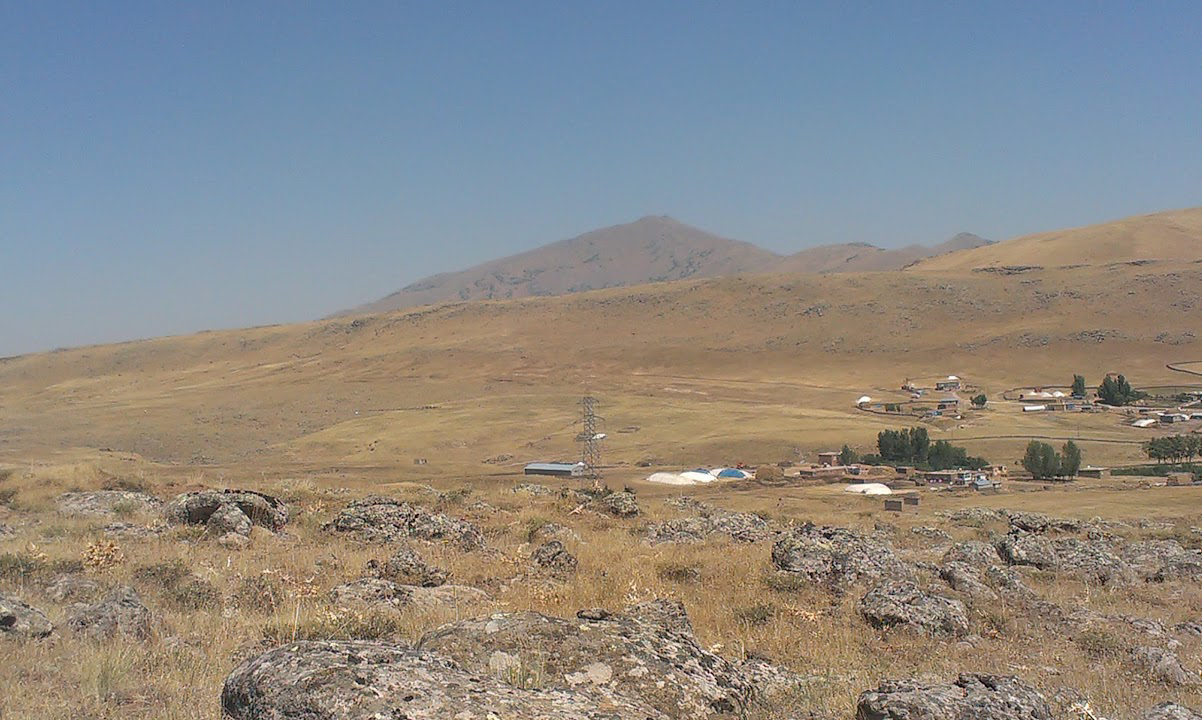
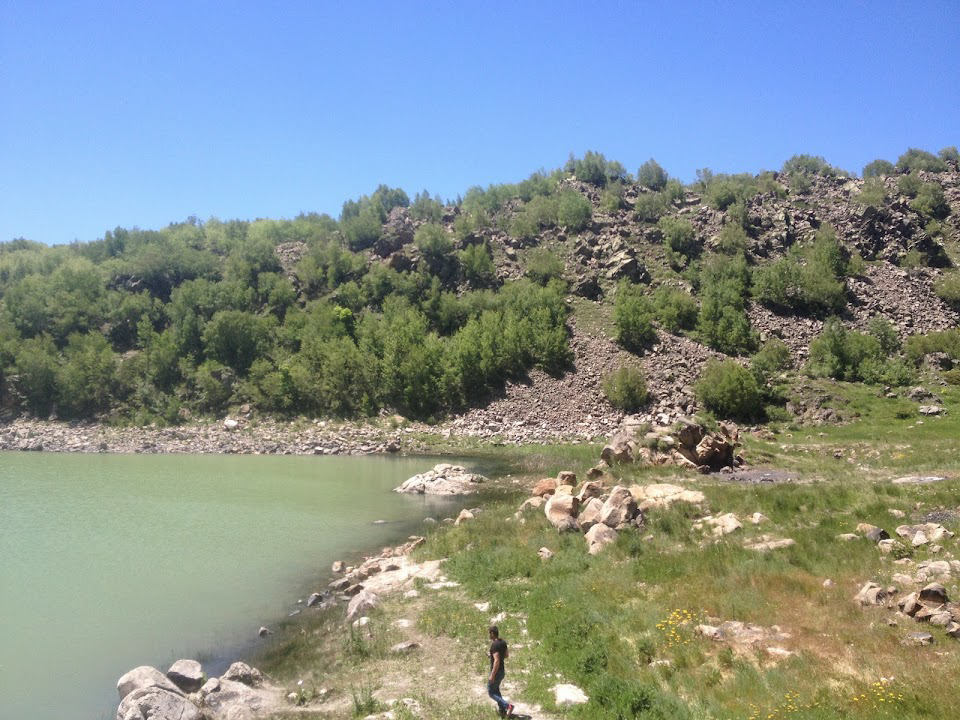
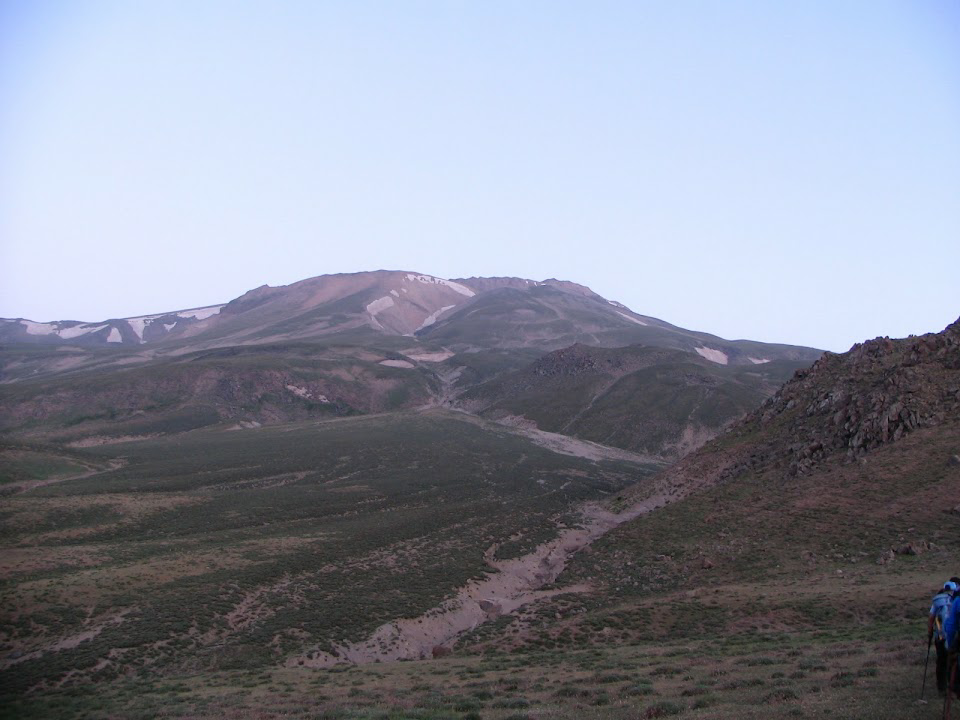
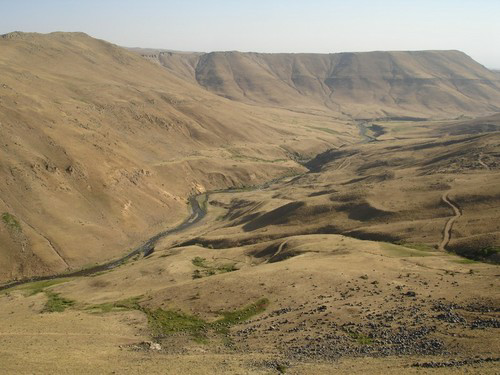
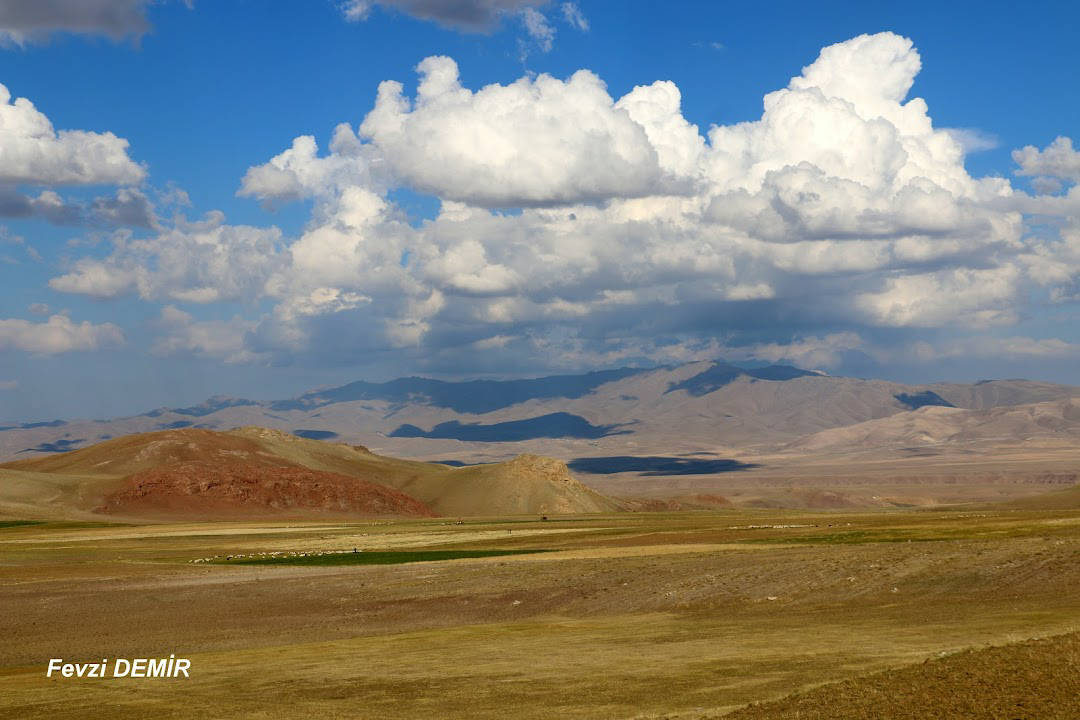
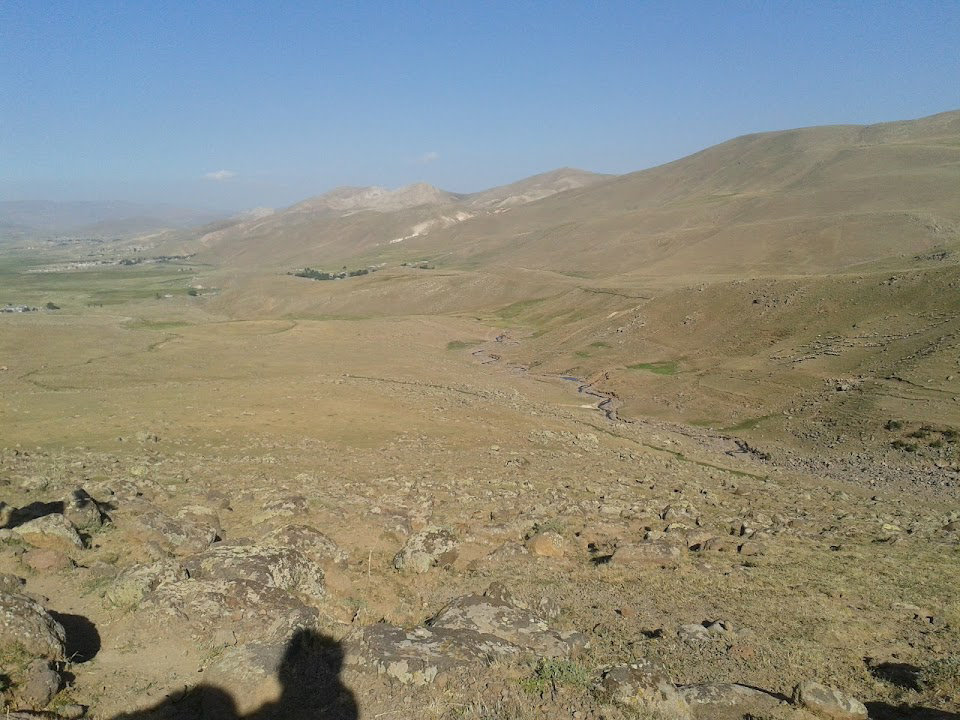
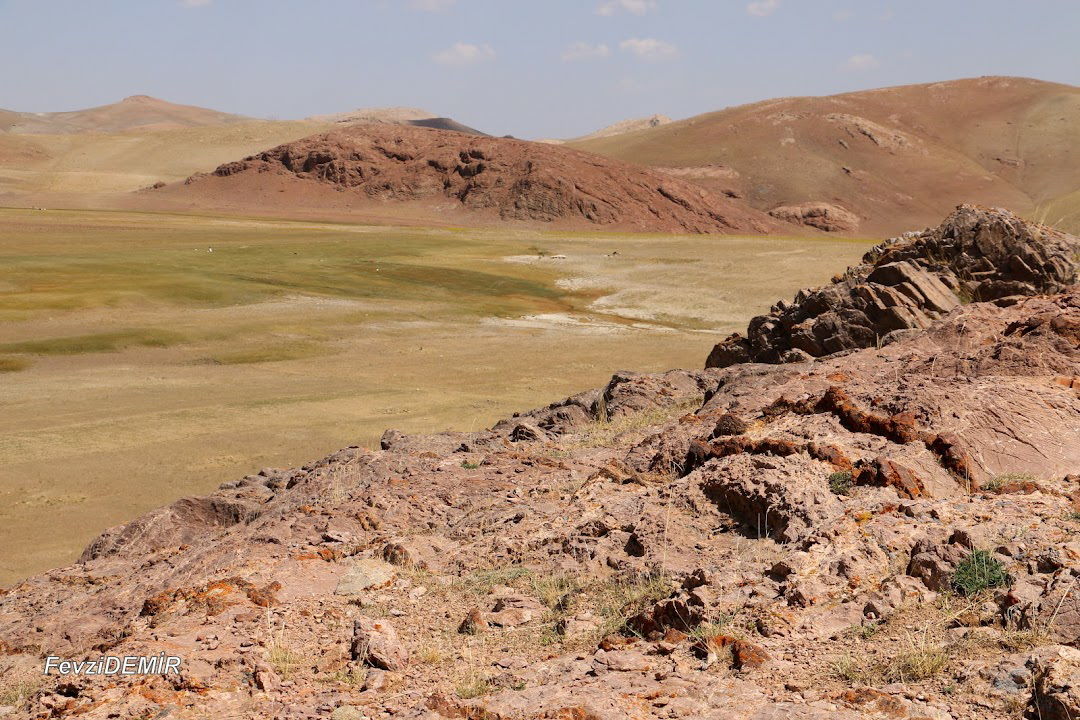
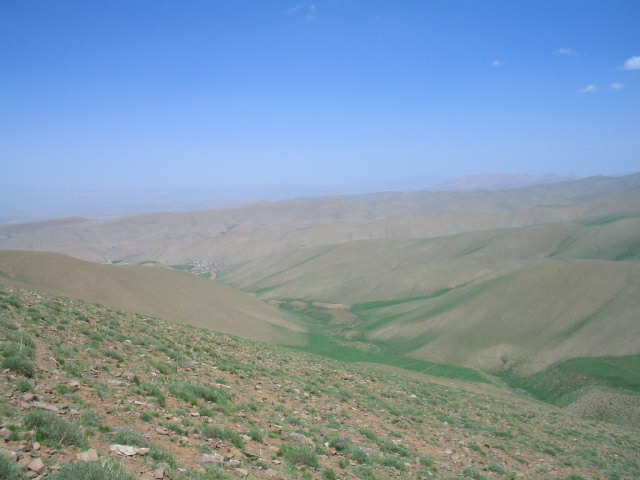
Mordor highland steppe; semi-desert steppe, woodland, and wetlands. 4a: semi-desert steppe. 25-30% ground coverage. 4b: open steppe woodlands. These occur only where moisture and soils are favorable. Herb layer with Astragalus and Artemisia spp. 4c: Wetlands. These occur around the region’s streams. Mainly reeds and rushes.
Z4a (desert steppe):
Biome:
Wormwood is dominant, sometimes in large patches (not as dense as M20, though; roughly 30% overall)
Interspersed kentucky_bluegrass, common_meadow_grass
Scattered hawthorn_bush
Z4b (woodland):
Biome:
Isolated Almond, Juniper and Mastic trees
Isolated clumps of English Elm Bush and Fruiting Rosehip Bush
Herb layer: largely the same as Z4a, with the addition of scattered lingonberry_bush
Z4c (wetland):
Biome:
Patchwork of dry_reeds, cattails, rushes, and sedge
Tree Layer
b). Prunus amygdalus (Almond), Juniperus communis (Juniper)
Shrub Layer
b). Pistacia khinjuk (Mastic Tree), Berberis integerrima (Fruiting Rosehip Bush), Rosa canina (English Elm Bush)
Lianas
No detail
Herb Layer
a). Artemisia fragrans (wormwood), Capparis spinosa (hawthorn_bush), Bassia prostrata (wormwood), Poa bulbosa (kentucky_bluegrass); b). Astragalus densifolius (lingonberry_bush), Astragalus lineatus (lingonberry_bush), Artemisia austriaca (wormwood), Artemisia fragrans (wormwood); c). Phragmites australis (dry_reeds), Typha spp. (cattails), Schoenoplectus tabernaemontani (rushes), Bolboschoenus maritimus (rushes), Carex acuta (rushes), Carex diluta (sedge)
Northeastern Nurn