U3
Pre-Ural coniferous (Picea obovata, Abies sibirica) and mixed broad-leaved alluvial forests (Alnus incana, Betula pubescens, Salix myrsinifolia, Picea obovata) as well as willow scrub (Salix viminalis, Salix acutifolia)
Description
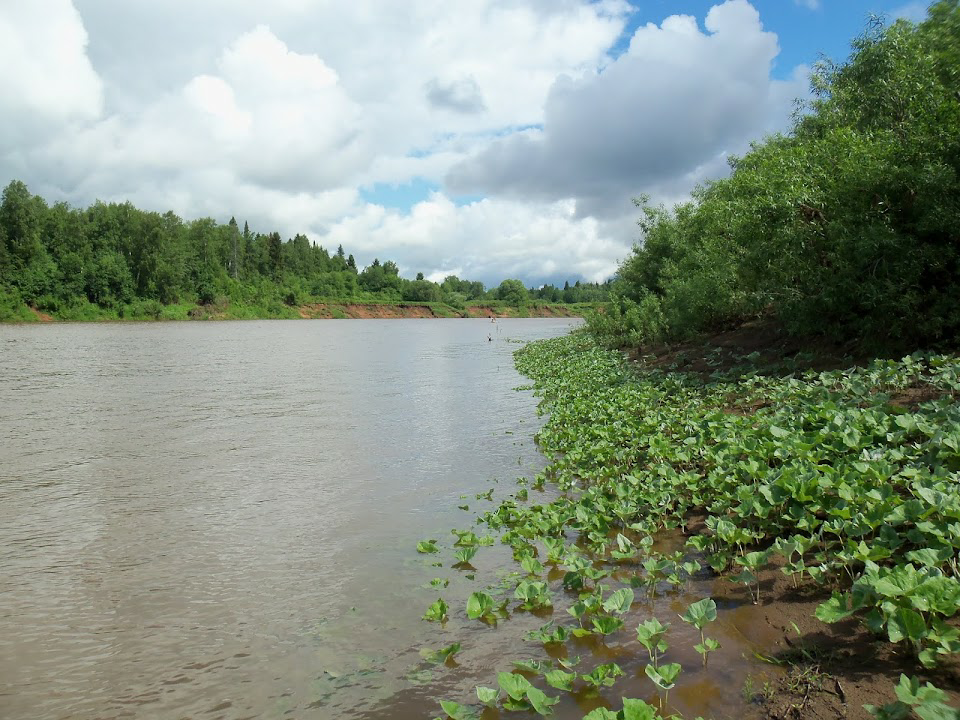
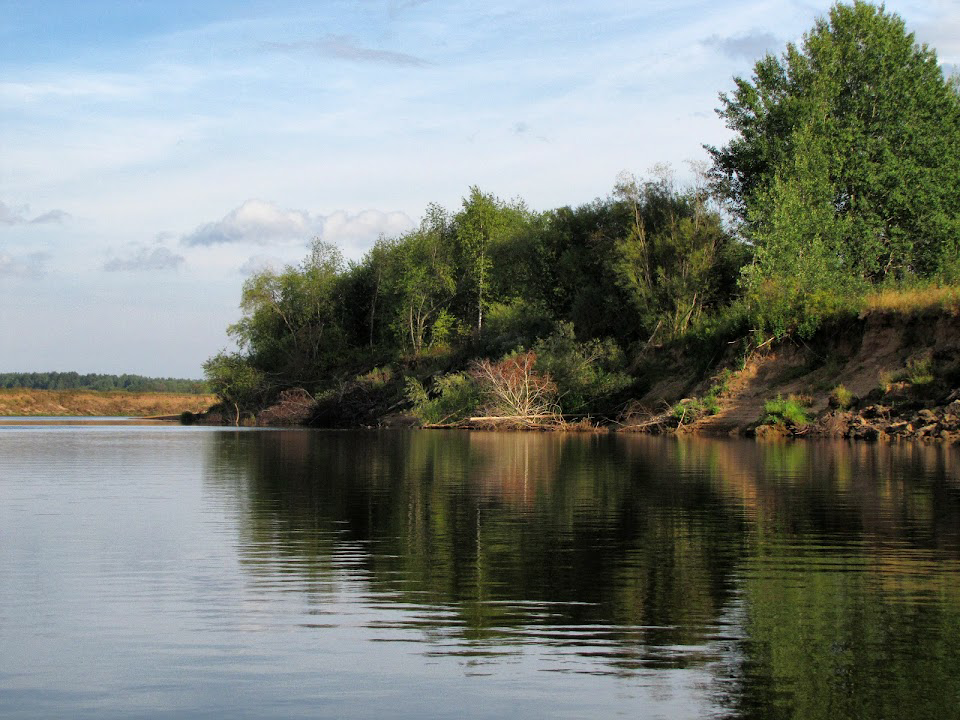
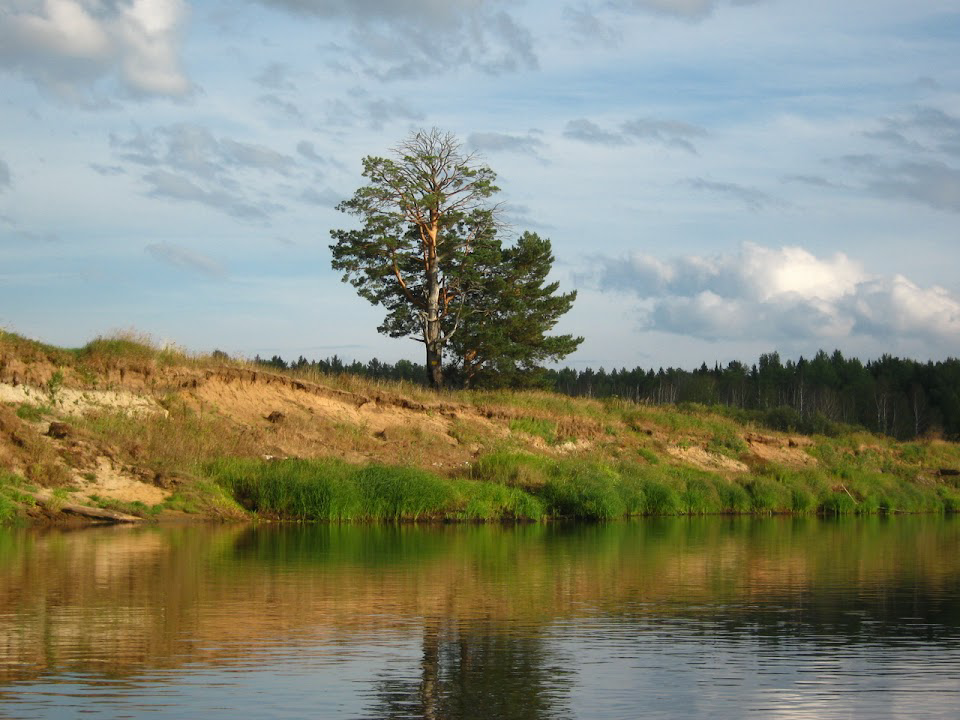
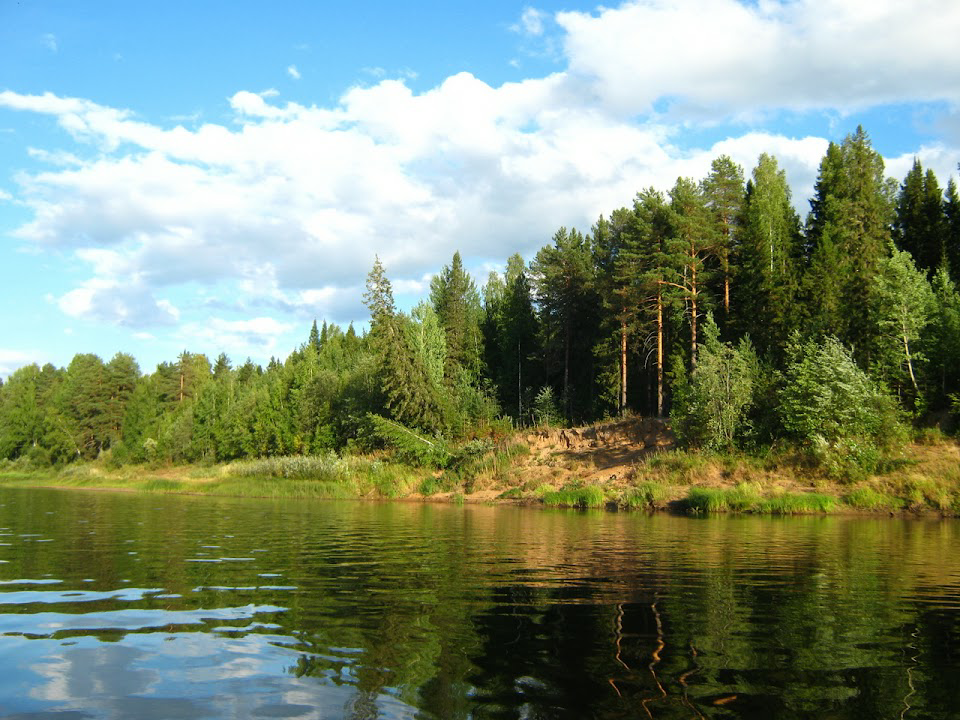
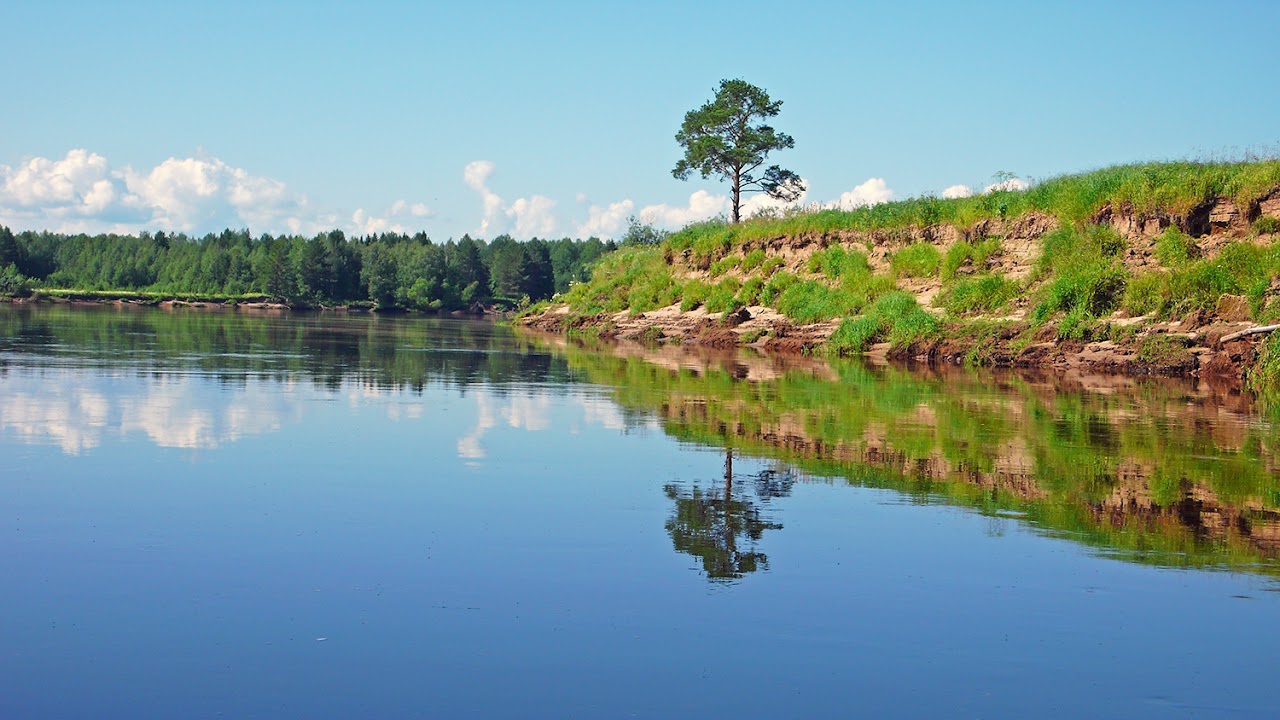
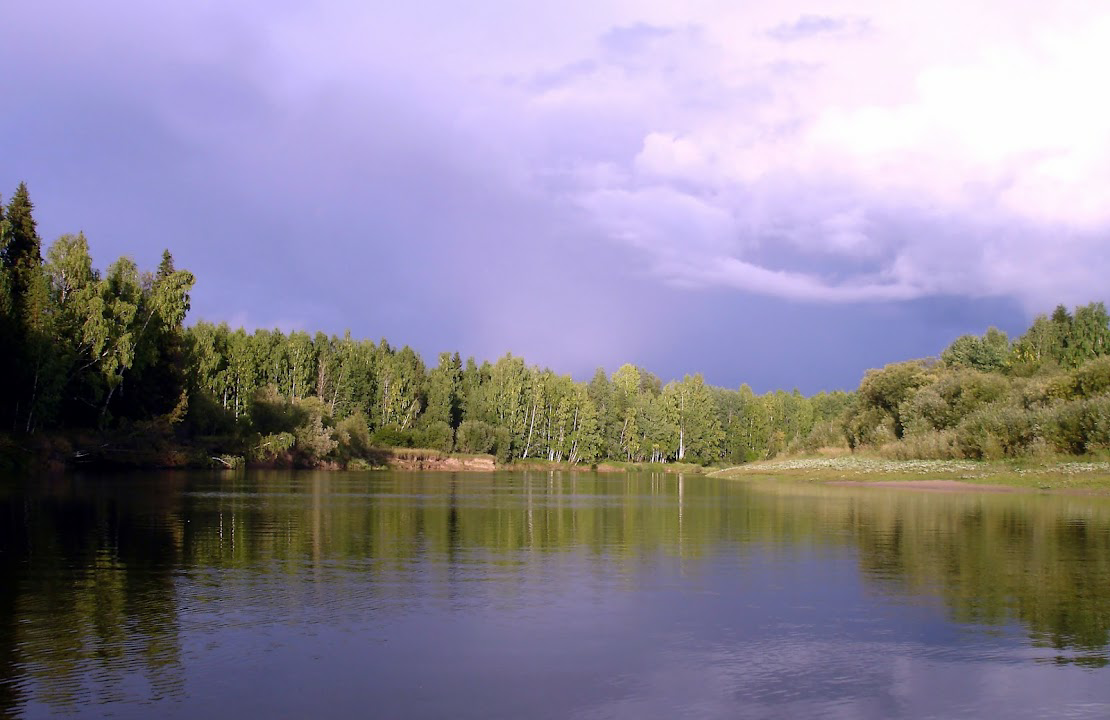
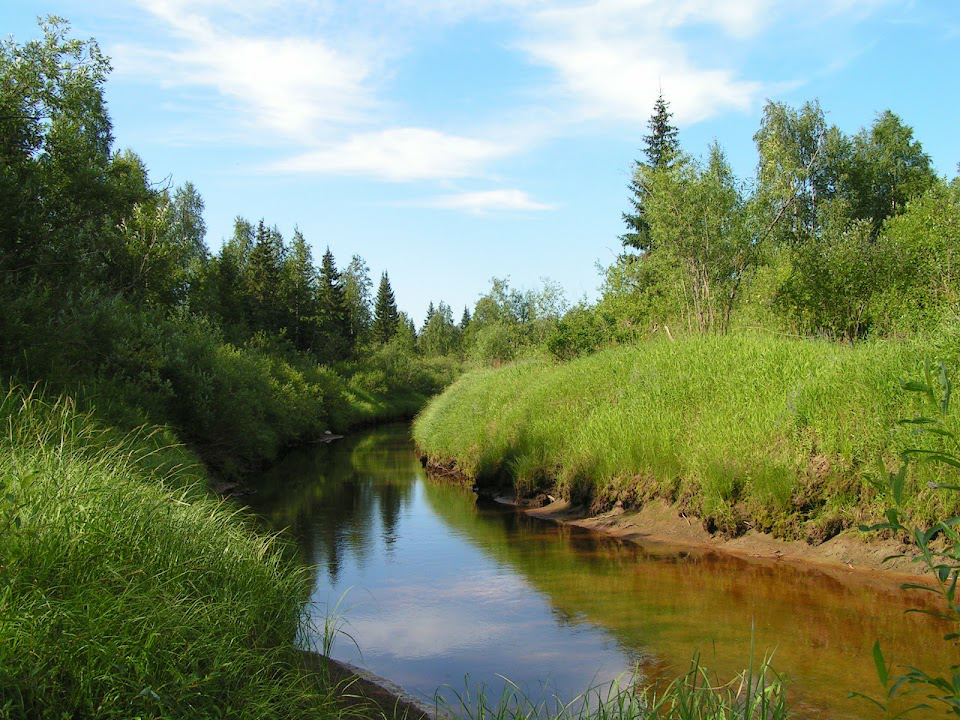
Three different types of floodplain vegetation form this mapping unit:
a) three-layered herb-rich spruce-fir to fir-spruce alluvial forests on high alluvial plains. Picea obovata and Abies sibirica (approx. 20 m high) set the tone in the tree layer. The herb layer is tall herb-rich, with ferns and Equisetum sylvaticum. The moss layer is densely closed or in the form of isolated colonies.
b) The species assemblage of the broad-leaved mixed floodplain forests growing in waterlogged depressions near terraces resembles that of U2, but Picea obovata grows here instead of Picea abies x Picea obovata.
c) Willow scrub with a similar species assemblage to U2.
U3a: Coniferous alluvial forest
U3b: Broad-leaved alluvial forest
U3c: Willow schrub
Tree Layer
U3a: Picea obovata (Siberian Spruce), Abies sibirica (Siberian Fir);
U3b: Alnus incana (Alder), Betula pubescens (Downy Birch), Salix myrsinifolia (Black Poplar Bush), Picea obovata (Siberian Spruce)
Shrub Layer
U3a and b: Lonicera pallasii (English Elm Bush), Prunus padus (Wild Plum), Rosa majalis (Elm Bush), Ribes rubrum (wild_shrub)
Spruce, Fir and Alder saplings
U3c: Salix viminalis (White Willow Bush), Salix acutifolia (Crack Willow), Salix phylicifolia (Black Poplar Bush), Salix triandra (White Willow Bush), Salix pentandra (Black Poplar Bush)
Alder, Willow and Downy Willow saplings
Lianas
No detail
Herb Layer
U3a: Aconitum lycoctonum subsp. Lycoctonum (sweet_woodruff), Thalictrum minus (wild_shrub), Stellaria bungeana (wild_parsley), Galium boreale (thick_fern), Matteuccia struthiopteris (fern_1), Gymnocarpium dryopteris (fern_1), Dryopteris carthusiana (fern_1), Thelypteris palustris (fern, fern_1, large_fern_3, bracken), Maianthemum bifolium (sweet_woodruff), Oxalis acetosella (alpine_bearberry), Equisetum sylvaticum (wood_horsetail);
U3b: Carex cespitosa (bottle_sedge)
U3c: Calamagrostis langsdorffii (dry_reeds), Bromus inermis (woodland_sedge), Filipendula ulmaria (cotton_grass), Geranium sylvaticum (sweet_woodruff)
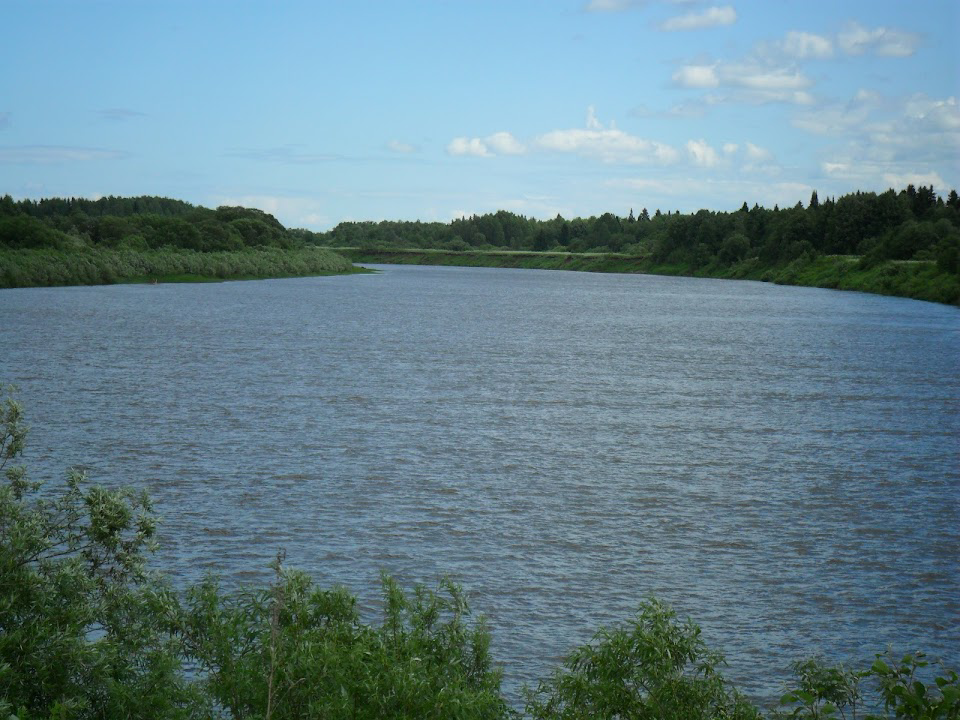
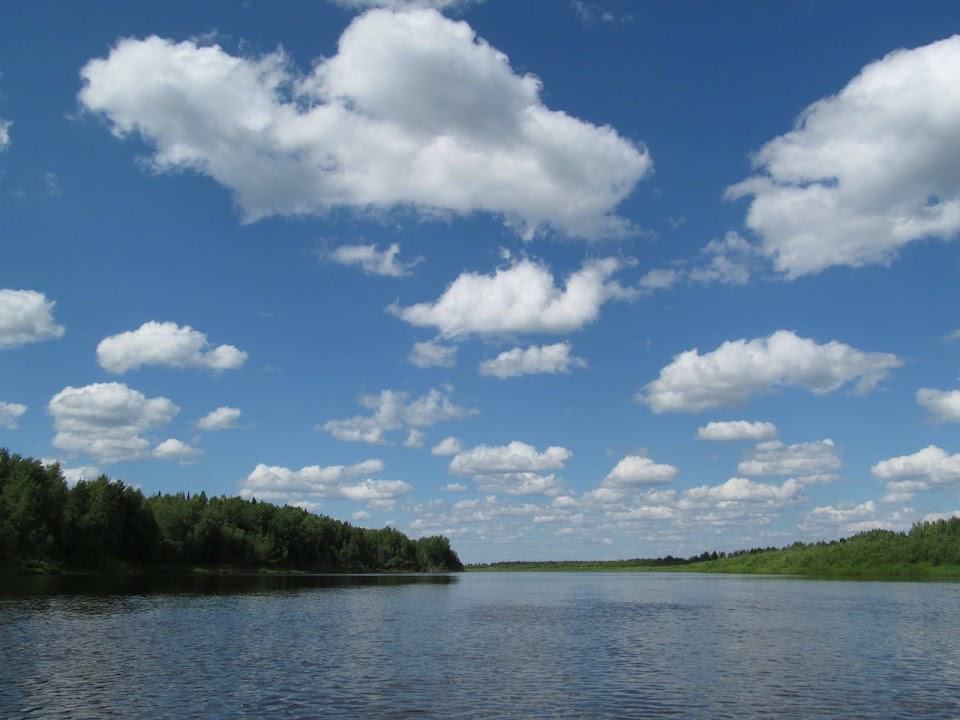
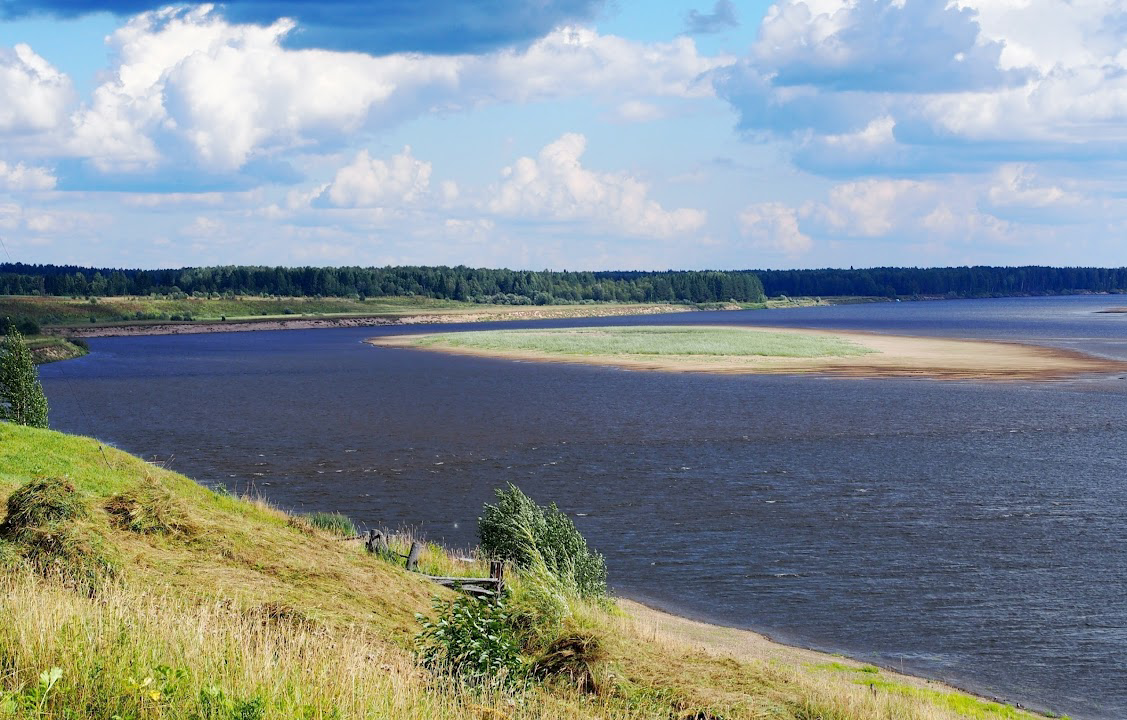
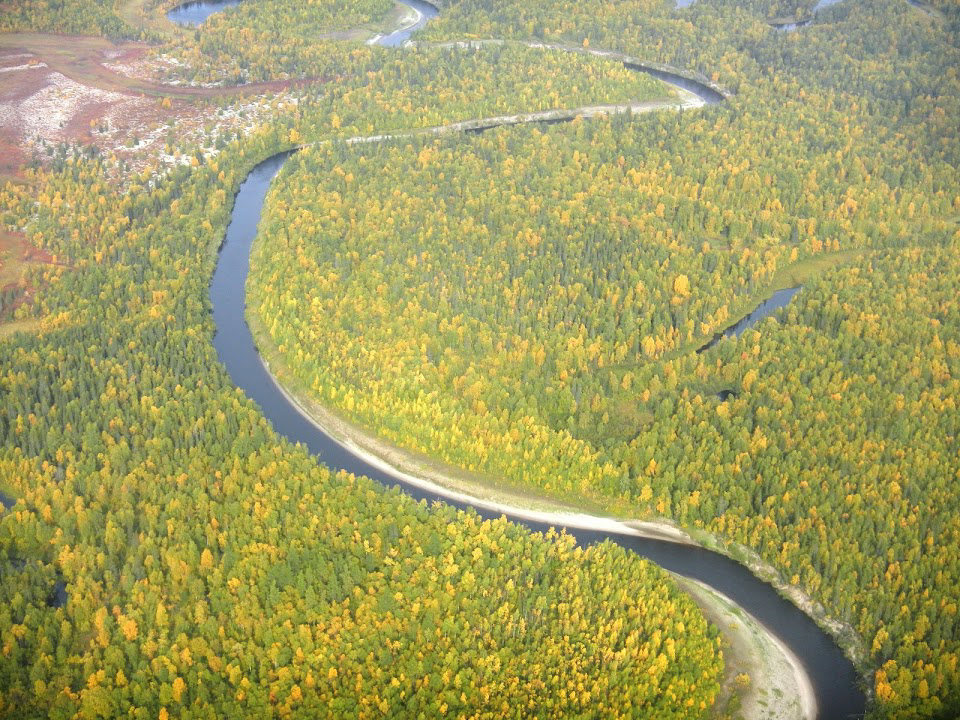
Several rivers in the northeast corner of the map