U20
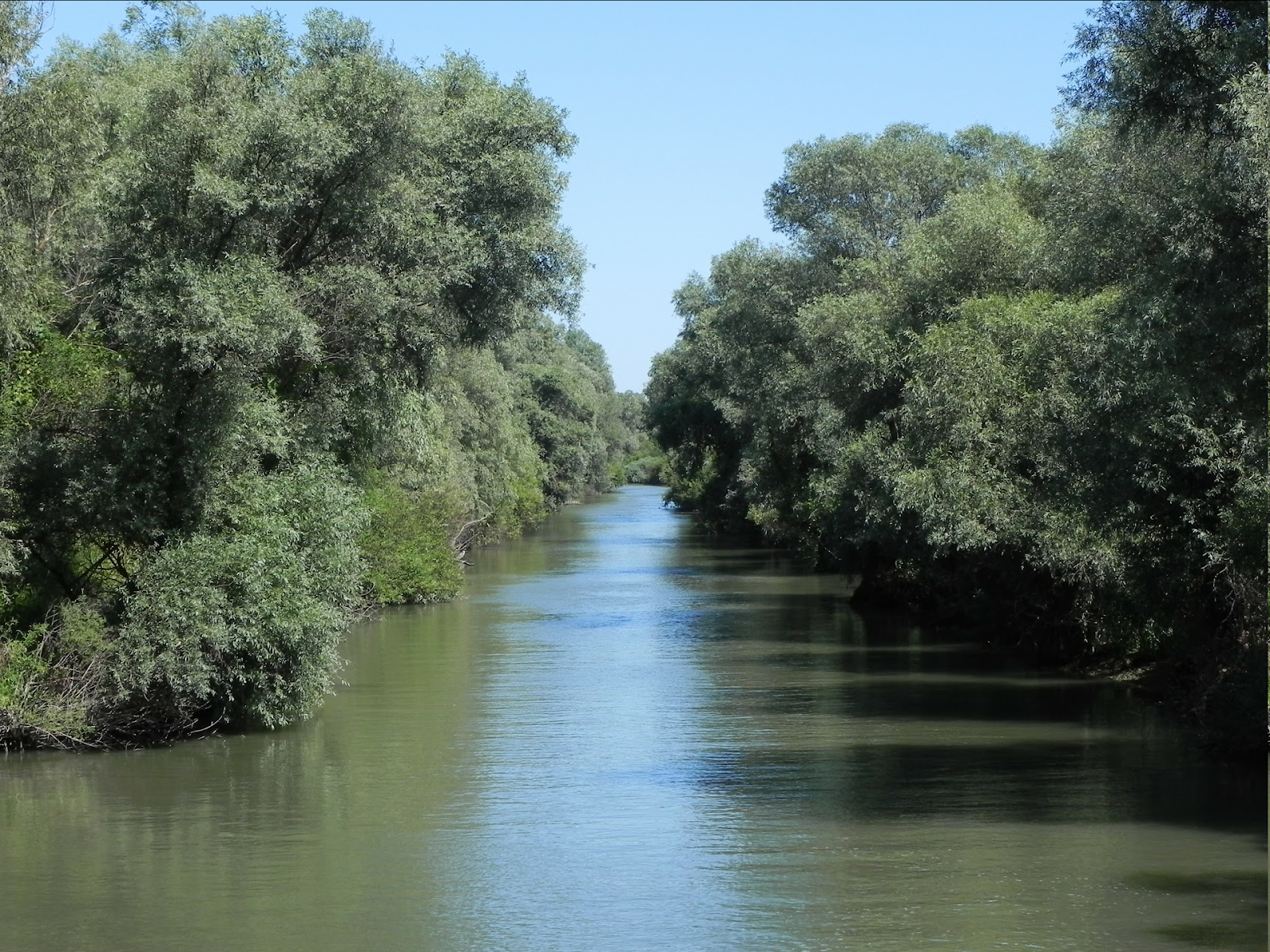
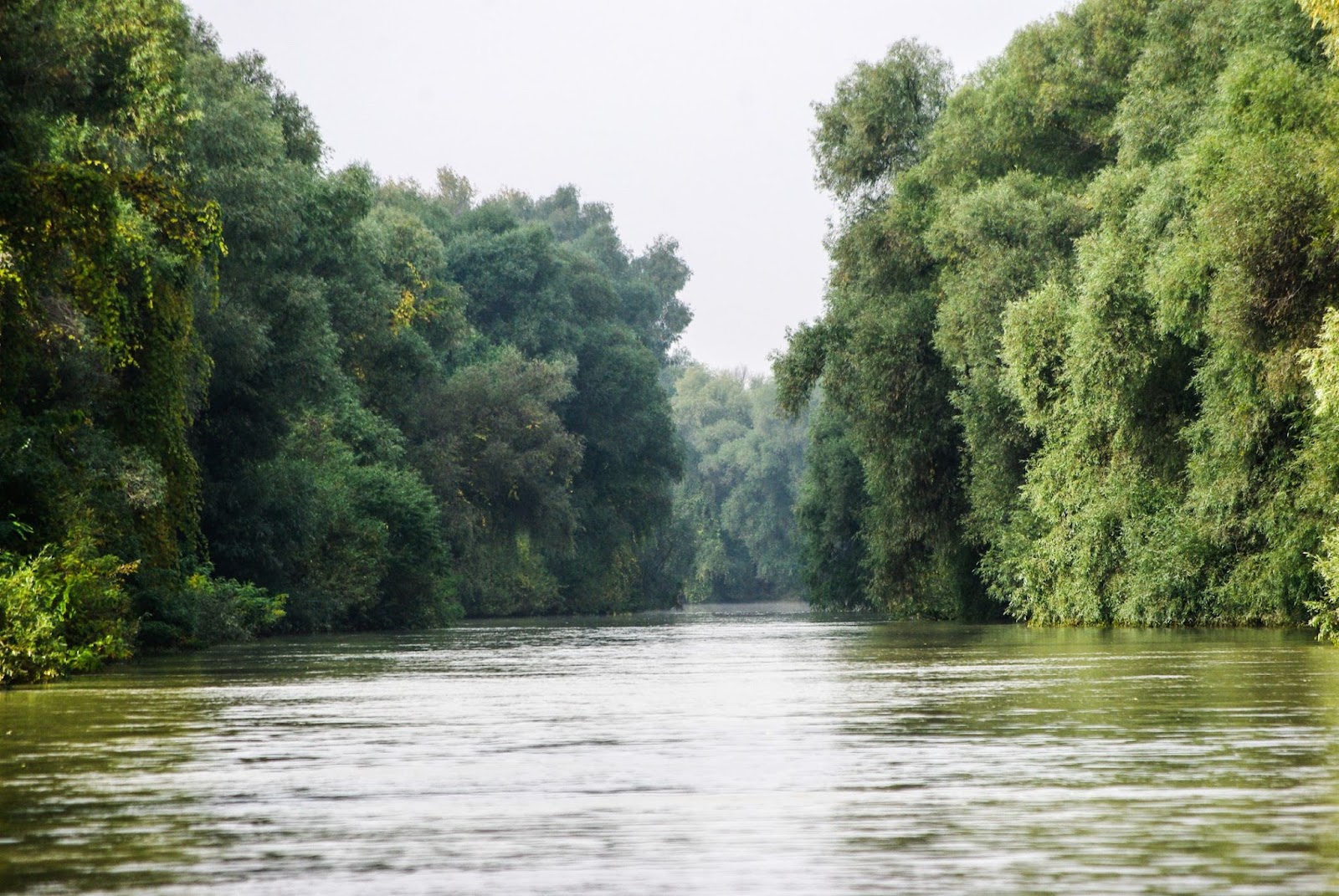
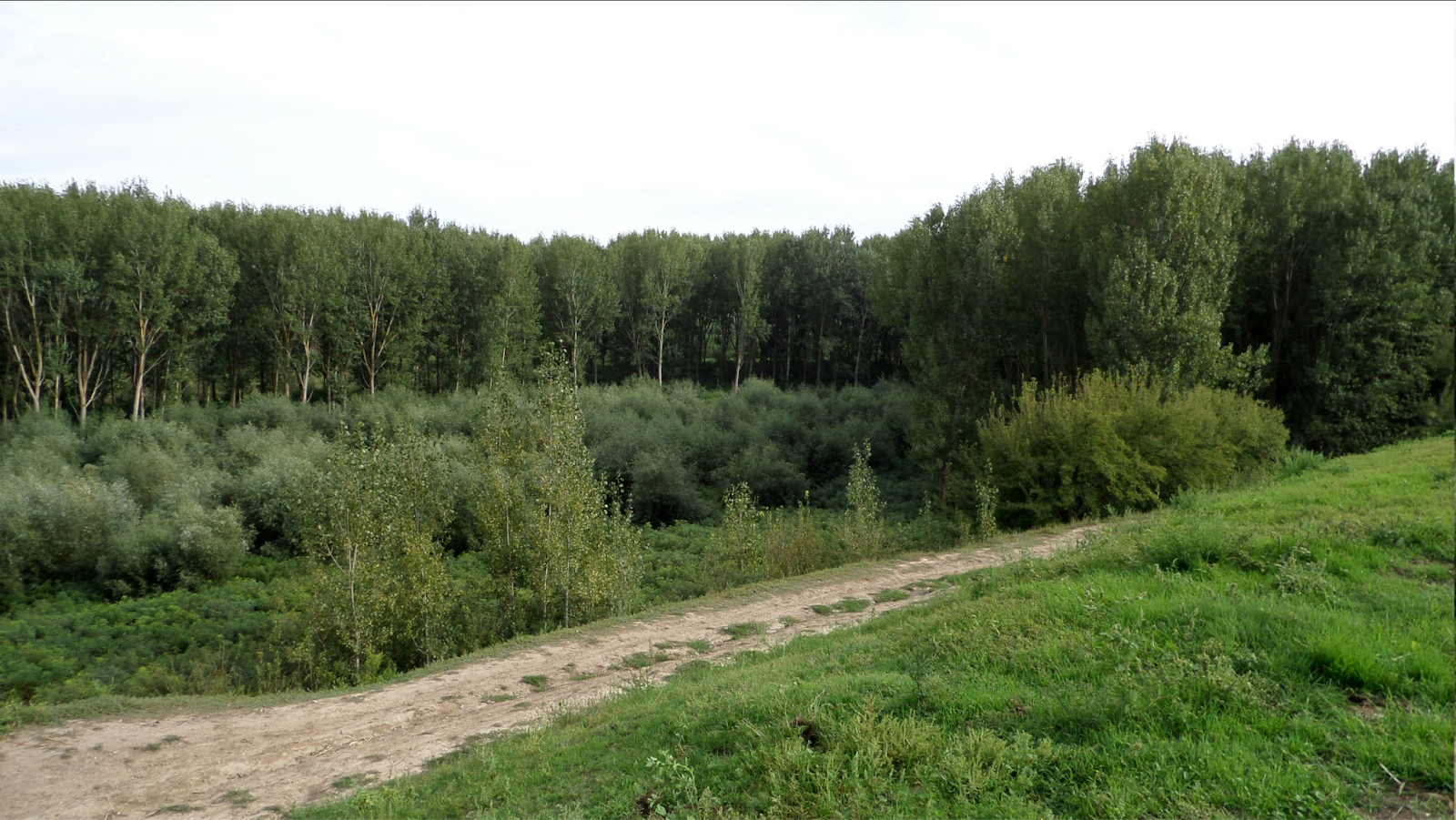
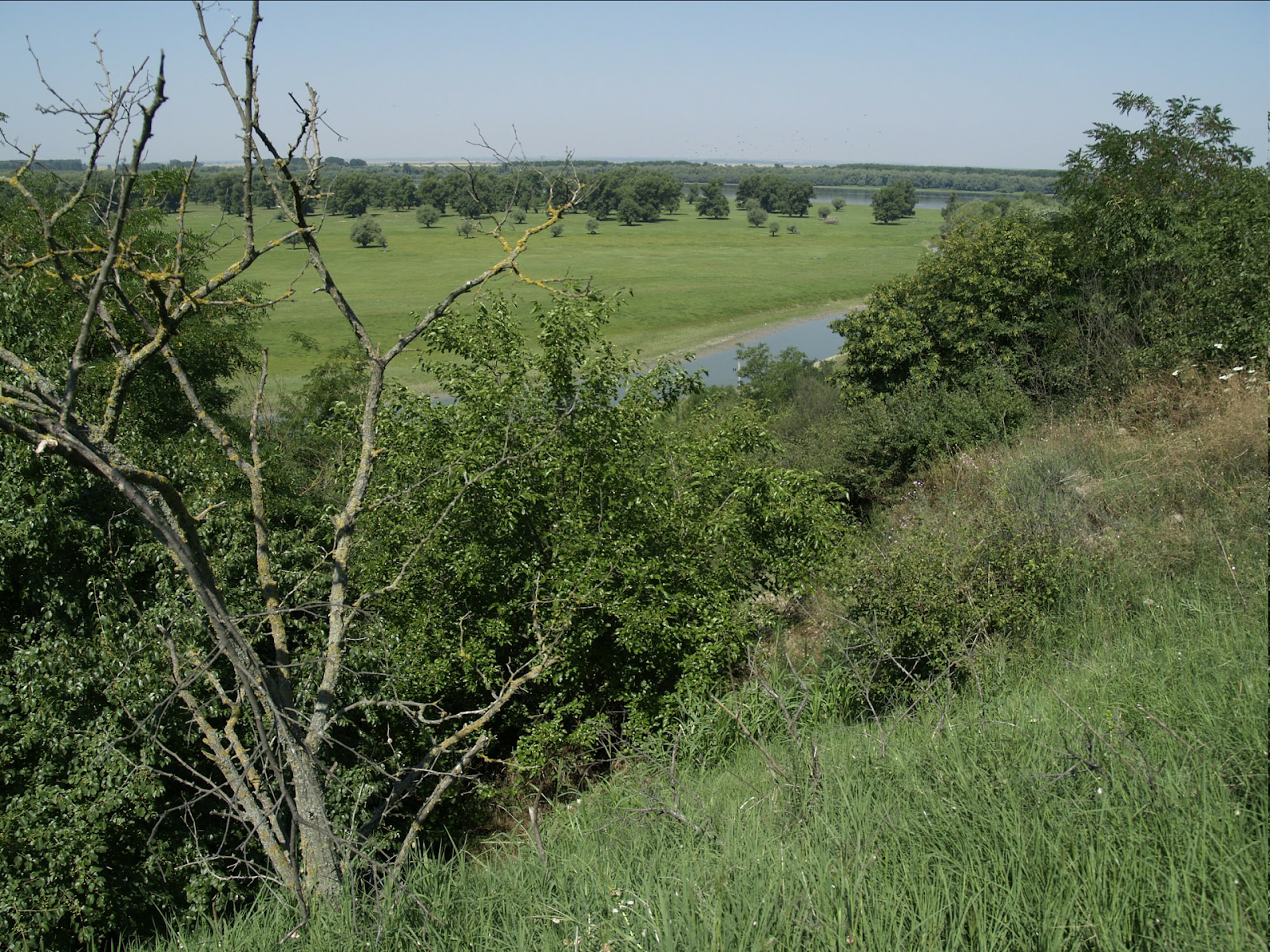
Danubian willow and poplar alluvial forests (White Willow, White Poplar, Black Poplar) with Water Horehound, partly in combination with Danubian Narrow-leaved Ash-alluvial forests
Description
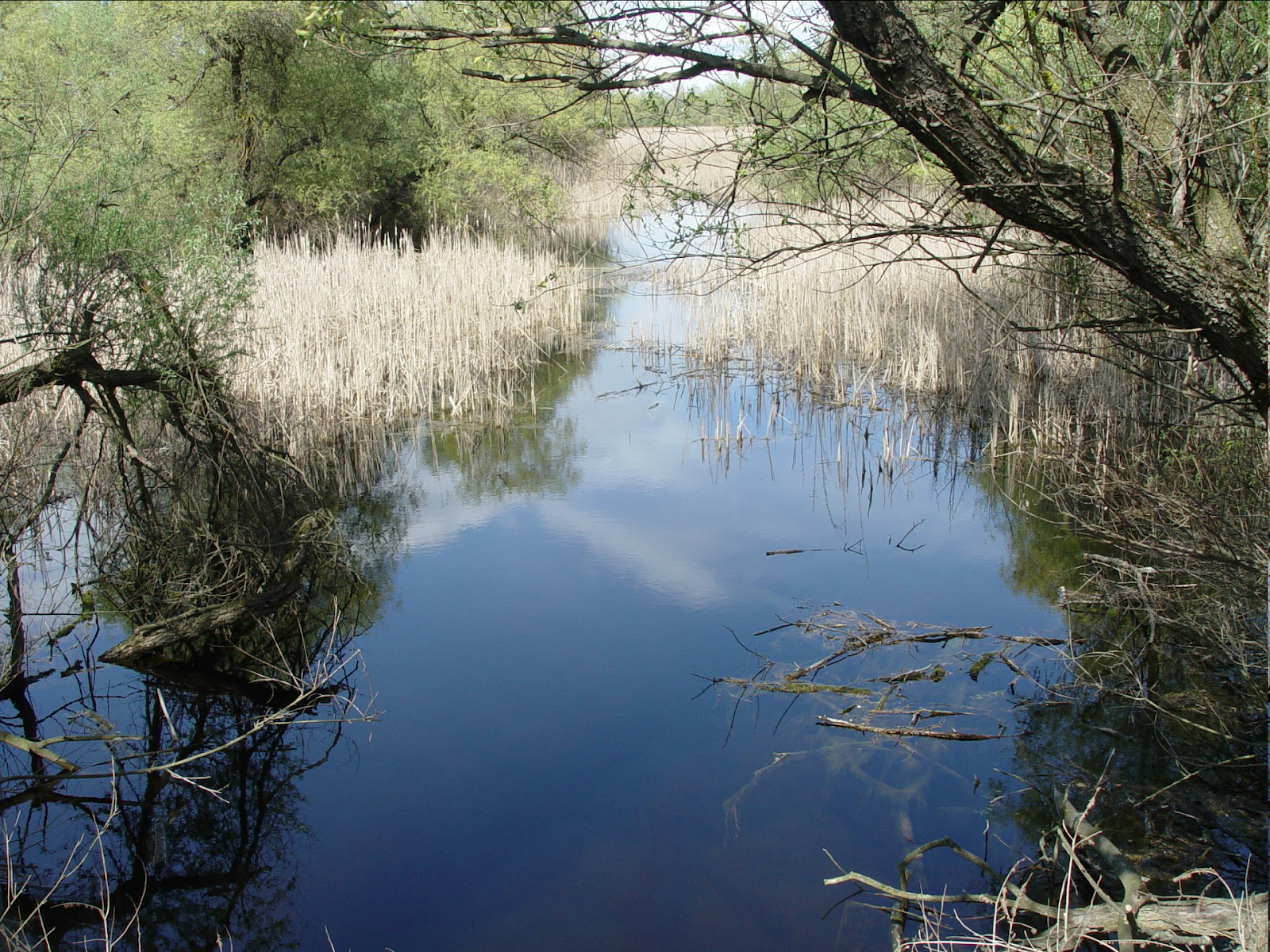
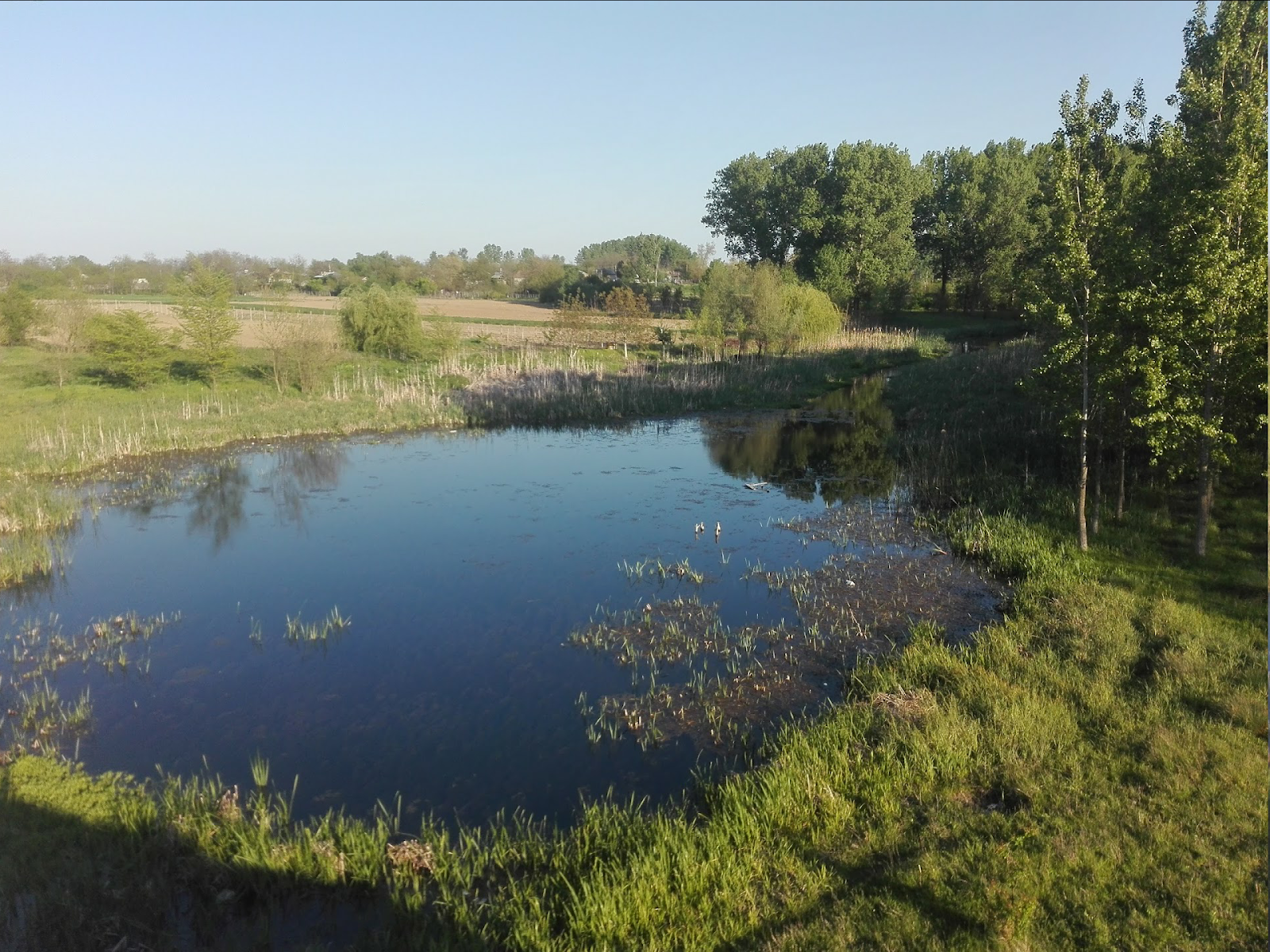
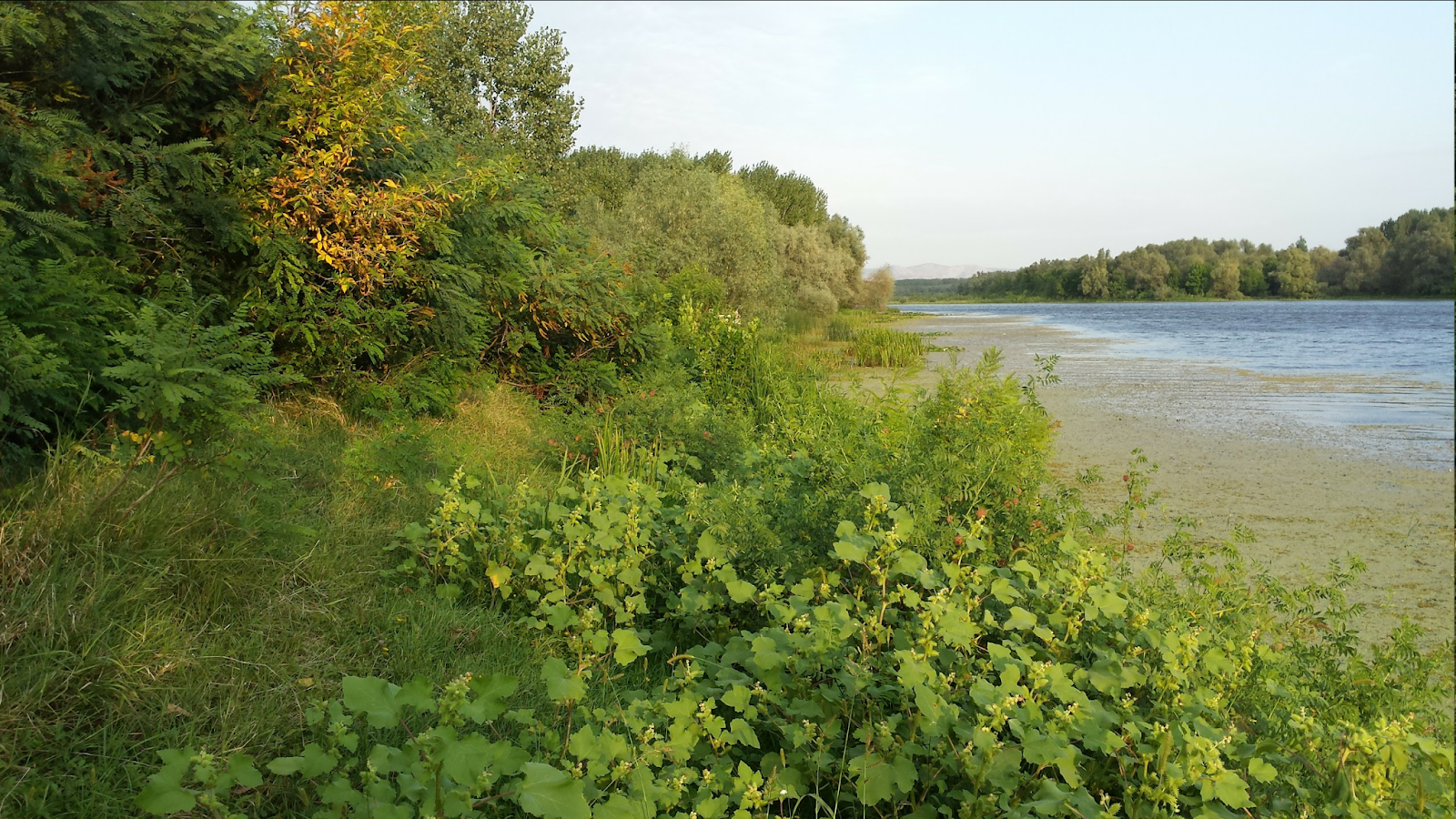
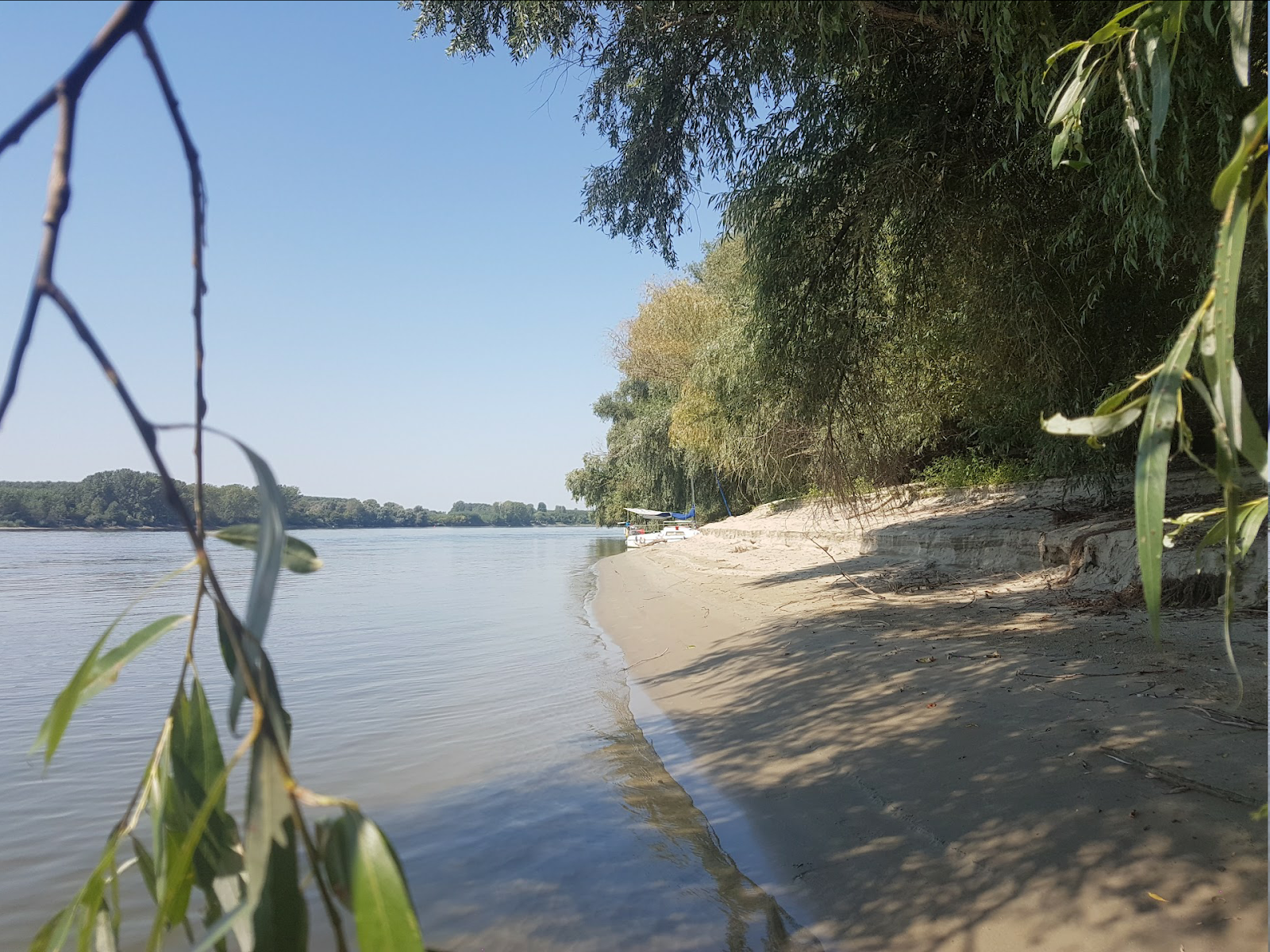
Two-layered, light, 20-30 m high willow, willow-poplar, or poplar softwood alluvial forests. In the lowest parts of the floodplain, they are formed from White Willow or Crack Willow, and at higher alluvial locations, Black Poplar and White Poplar occur. To varying extents, Grey Alder, Green Alder, and Danubian Narrow-leaved Ash are present locally. In contact with hardwood alluvial forests, Elm species, especially Smooth-leaved Elm, also occur. The coverage of the species-deficient herb layer is usually small and varies depending on the site. Apart from perennials of moist to swampy sites, one also finds many therophytes that, from year to year, are present in varying amounts and species composition, but which, in years with extensive flooding, are largely absent. Eurasian species predominate, and circumpolar and cosmopolitan species are also often represented.
Tree Layer
Salix alba (pink annotation), Salix fragilis (purple annotation), Populus nigra (red annotation), Populus alba (orange annotation), Fraxinus angustifolia (lime annotation)
Ash, Black Poplar, White Poplar, Crack Willow, White Willow
Shrub Layer
Cornus mas (Lebrethron), Viburnum opulus (Linden Bush), Crataegus monogyna (Hawthorn), Prunus spinosa, Ligustrum vulgare (Elder Bush), Frangula alnus, Amorphia fruticosa (escaped)
Lianas
Humulus lupulus, Vitis vinifera, Clematis vitalba, Calystegia sepium, Periploca graeca, Saponaria officinalis, Bryonia dioica, Rubus caesius
Herb Layer
Persicaria hydropiper (greater_wood_rush), Persicaria lapathifolia (black_knapweed, thistles), Galium aparine (greater_wood_rush), Galium palustre (sweet_woodruff), Stachys palustris (black_knapweed, thistles), Ajuga reptans (sweet_woodruff), Lycopus europaeus (greater_wood_rush), Iris pseudacorus, Agrostis stolonifera (kentucky_bluegrass), Myosotis scorpioides (sweet_woodruff), Phragmites australis (dry_reeds), Carex acutiformis (bottle_sedge), Phalaris arundinacea (green_meadow_fescue), Trifid Burmarigold (green_spurge)
Anduin between Lisclorn and Osgiliath