U2
North Russian spruce and mixed broad-leaved alluvial forests (Picea abies x Picea obovata, Alnus incana, Betula pubescens, Salix myrsinifolia) as well as willow scrub (Salix viminalis, Salix acutifolia)
Description
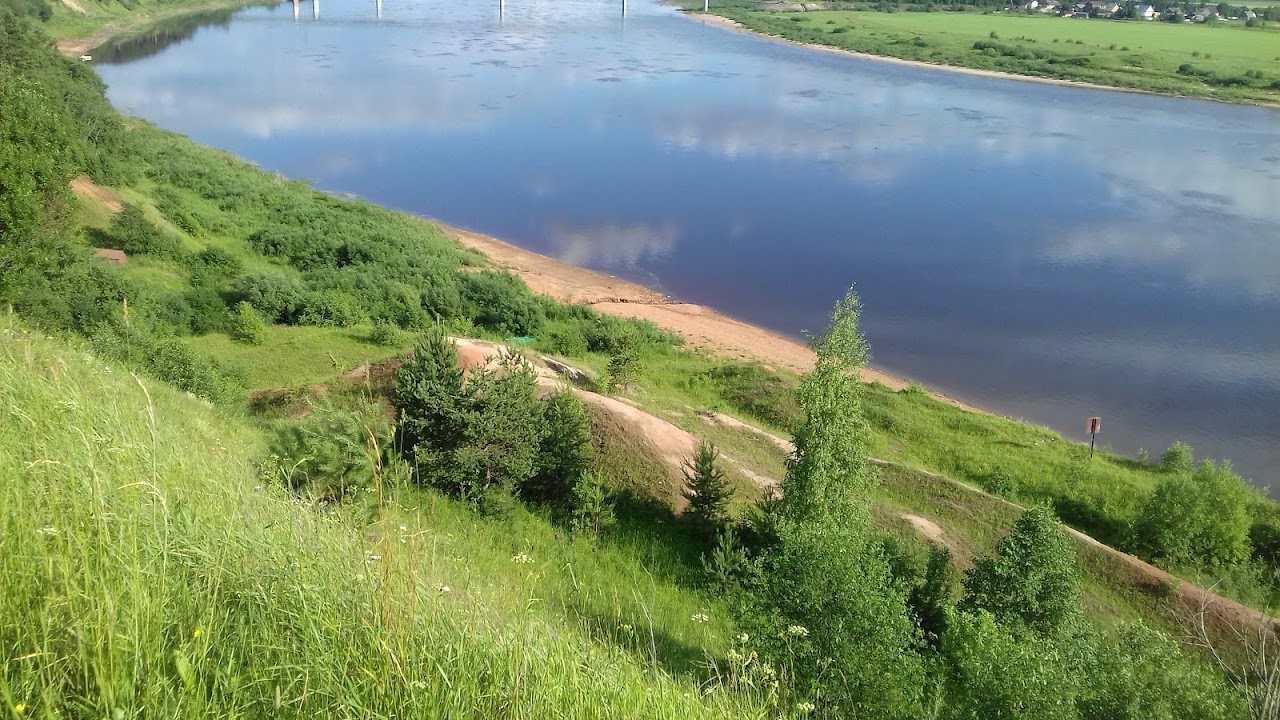
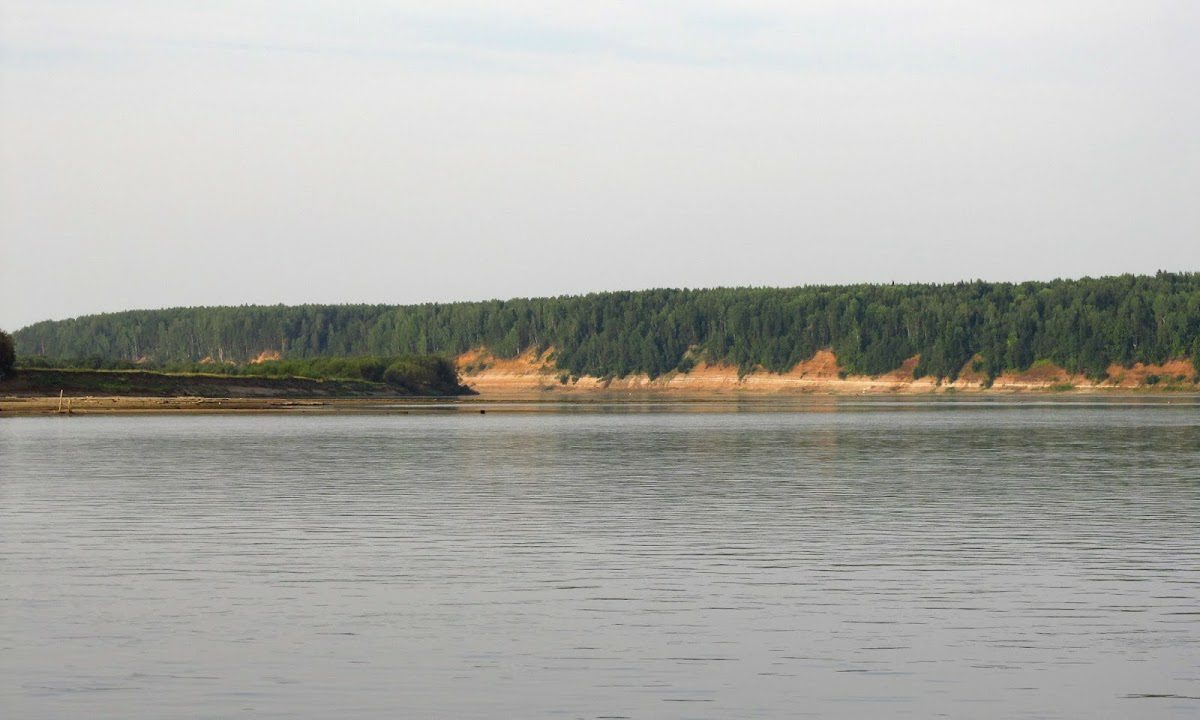
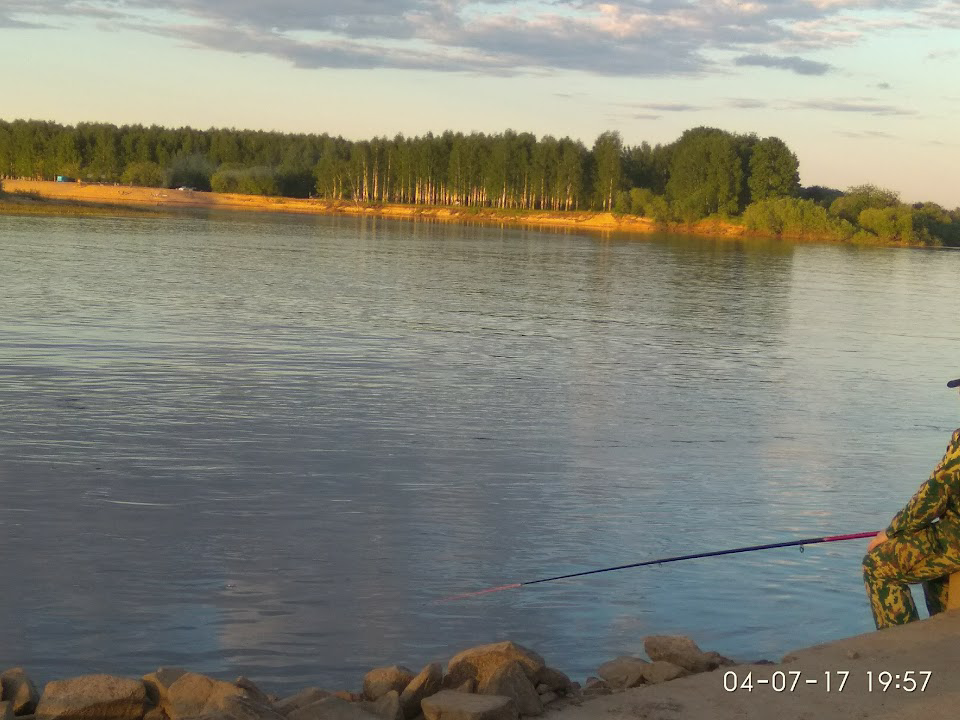
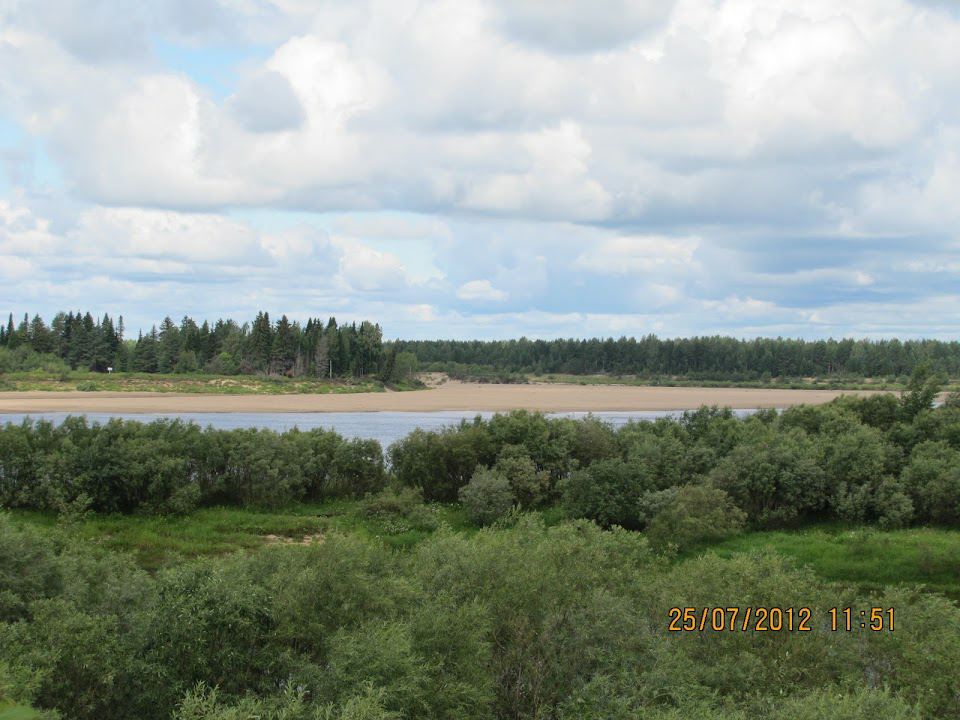
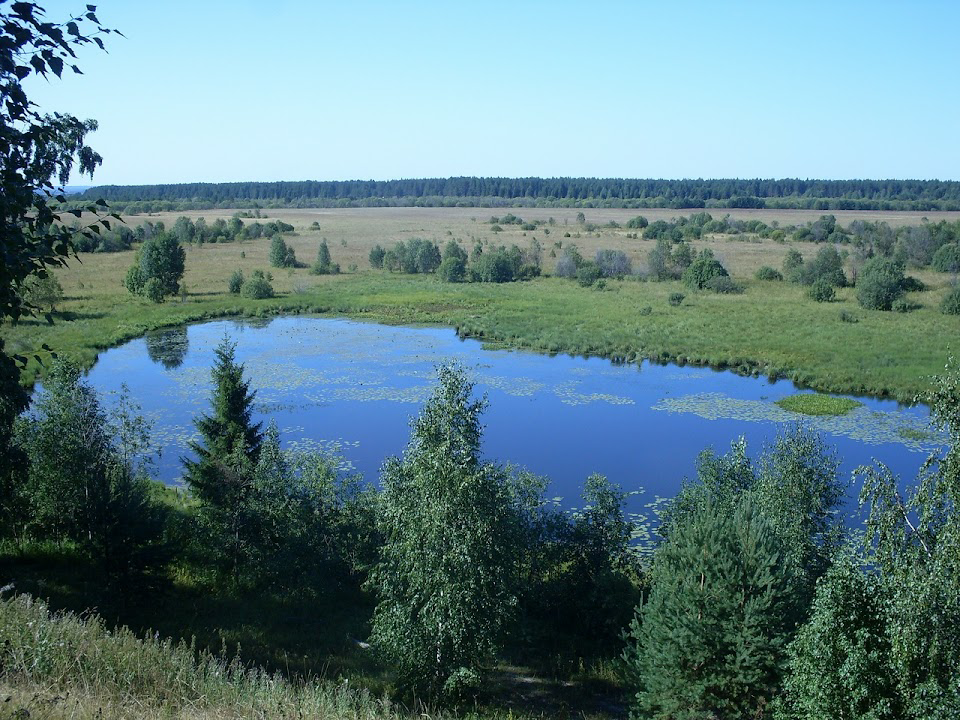
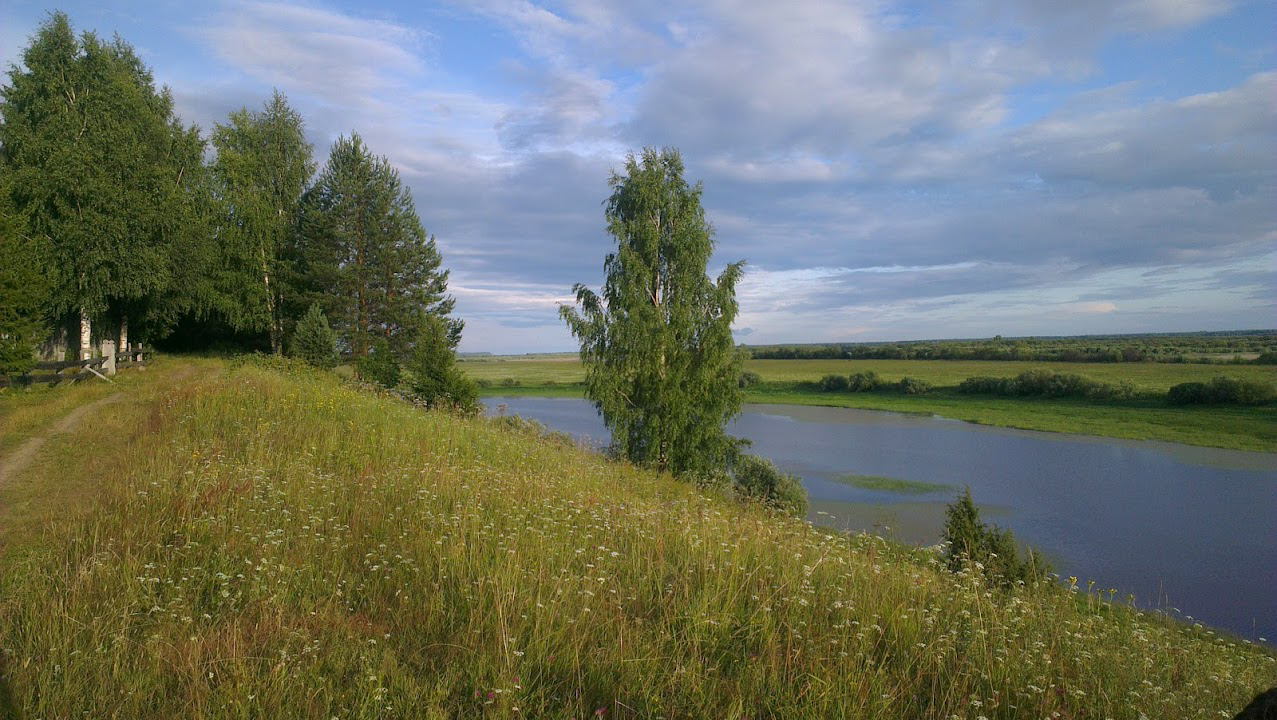
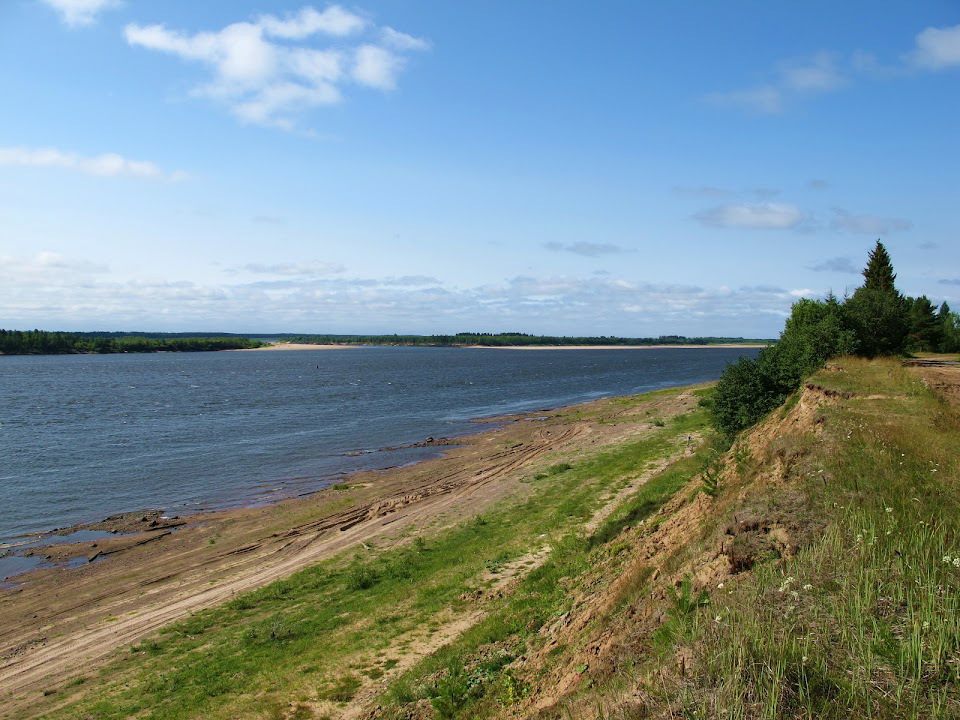
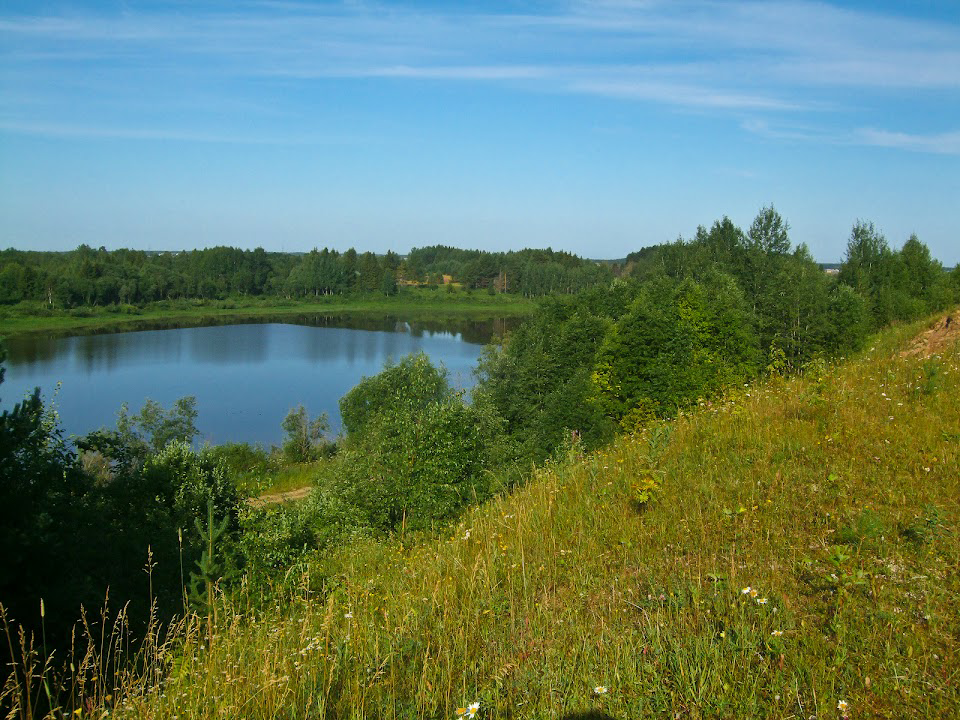
Complex of three alluvial plain communities that differ greatly from one another physiognomically:
a) herb-rich spruce forests, b) swamped broad-leaved mixed alluvial forests and c) alluvial scrub.
a) three, and sometimes four-layered spruce forests represent the final link of the ecologically dynamic sequence. Their tree layer is dominated by Picea abies x P. obovata. The shrub layer is well developed, coniferous forest species set the tone in the herb layer, additional meadow species are typical, and Stellaria holostea also occurs. In places a moss layer is developed.
b) The swamped broad-leaved mixed alluvial forests growing in basins close to the river terrace are formed from Salix myrsinifolia, Picea abies x P. obovata, Betula pubescens, Alnus incana and A. glutinosa, while in the herb layer Carex cespitosa plays an important role.
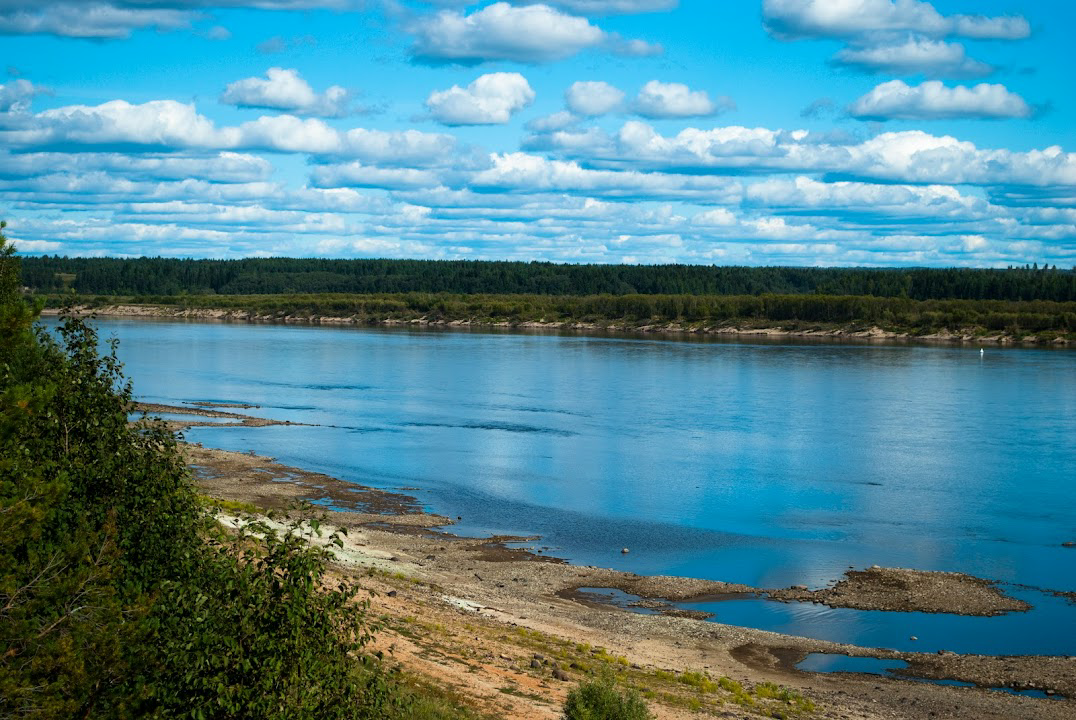
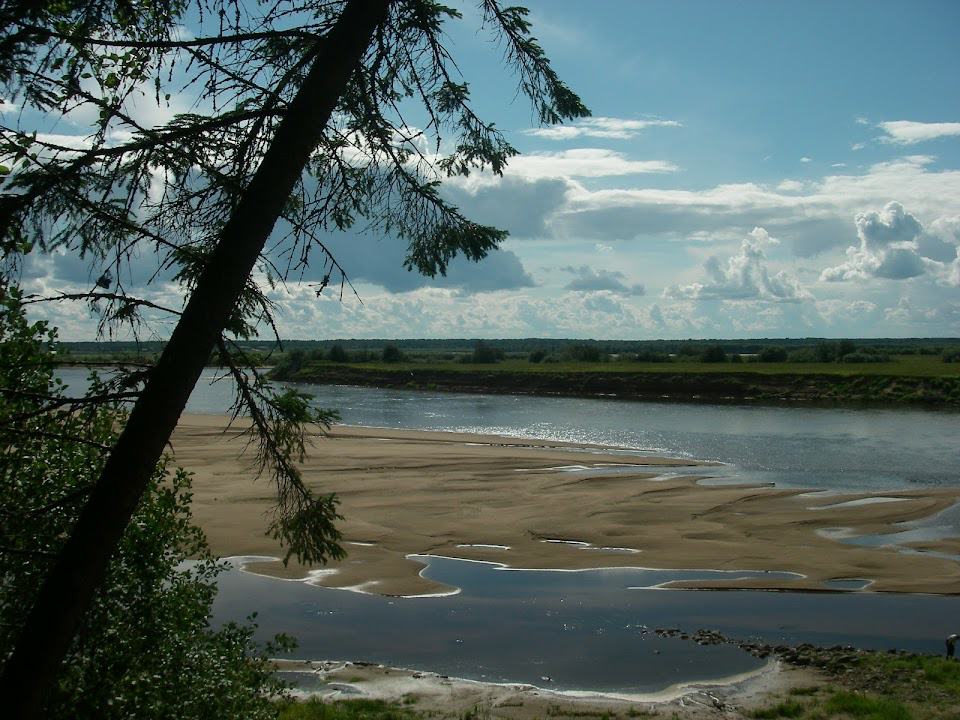
c) In the alluvial plain near to the river willow scrub is present (Salix viminalis, S. acutifolia) grow.
U2a: Spruce forest
U2b: Mixed alluvial forest
U2c: Alluvial scrub
Tree Layer
U2a: Picea abies x Picea obovata (Siberian Spruce);
Also in U2b: Salix myrsinifolia (Black Poplar Bush), Betula pubescens (Downy Birch), Alnus incana (Common Alder), Alnus glutinosa (Common Alder)
Shrub Layer
U2a and U2c: Lonicera pallasii (English Elm Bush), Prunus padus (Wild Plum), Rosa majalis (Elm Bush), Ribes rubrum (wild_shrub);
Also in U2c: Salix viminalis (White Willow Bush), Salix acutifolia (Crack Willow)
Lianas
No detail
Herb Layer
U2a: Maianthemum bifolium (sweet_woodruff), Oxalis acetosella (alpine_bearberry), Pyrola rotundifolia (wild_parsley), Equisetum pratense (wood_horsetail), Stellaria holostea (grass), Alopecurus pratensis (timothy_grass), Agrostis gigantea (woodland_sedge), Vicia cracca;
U2b: Carex cespitosa (bottle_sedge);
U2c: Calamagrostis langsdorffii (dry_reeds), Bromus inermis (woodland_sedge), Filipendula ulmaria (cotton_grass), Geranium sylvaticum (sweet_woodruff)
Rivers in Forodwaith