T1
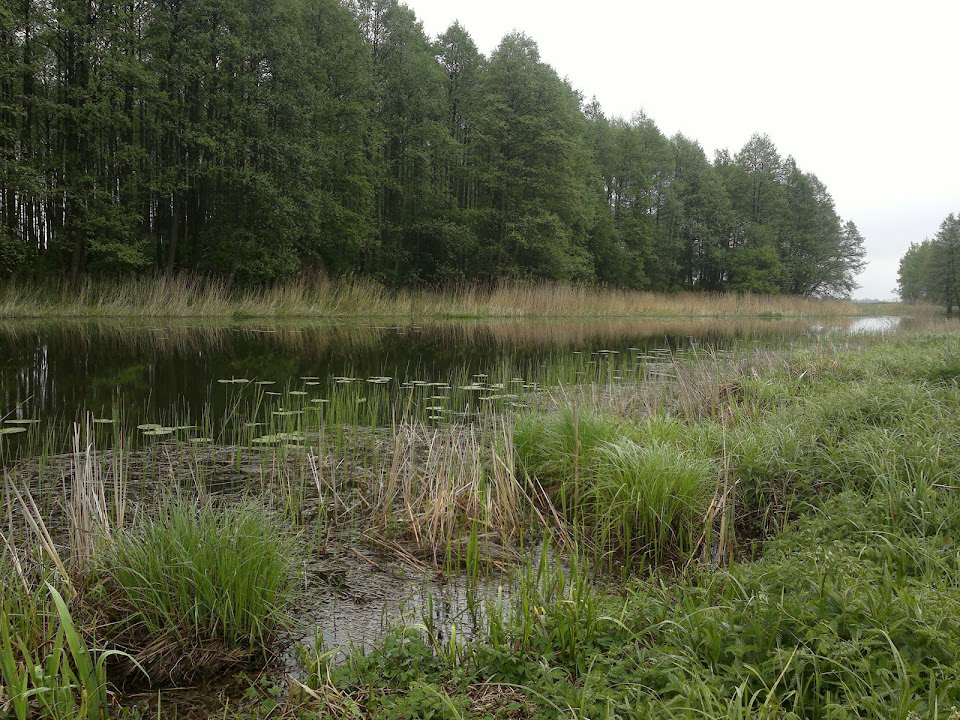
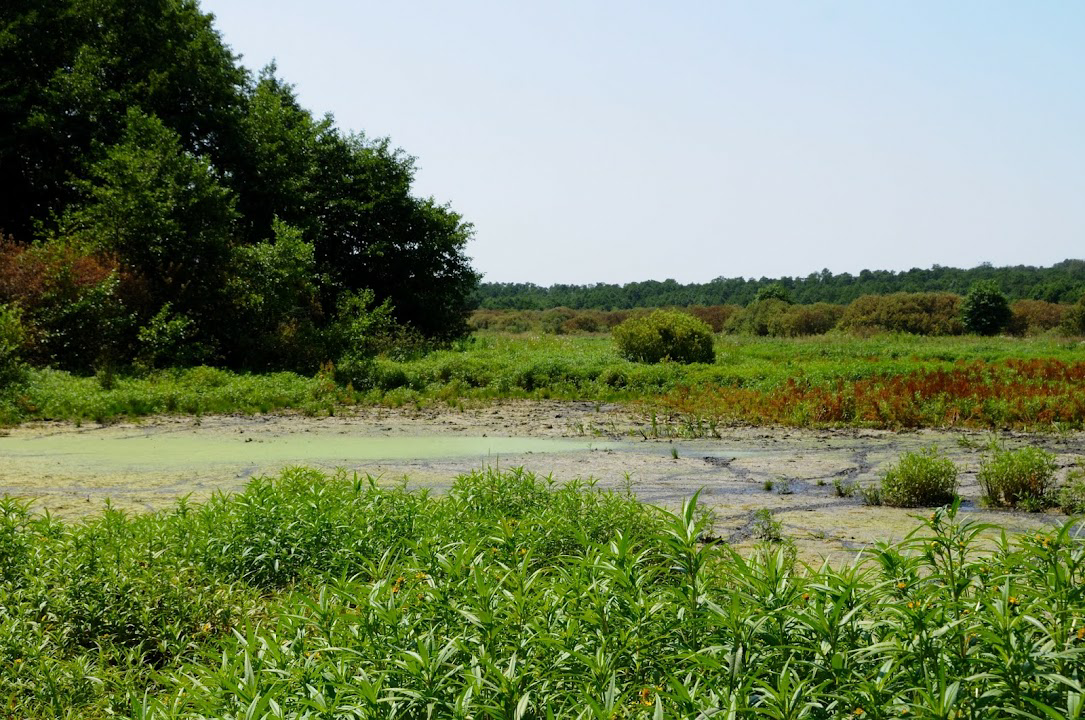
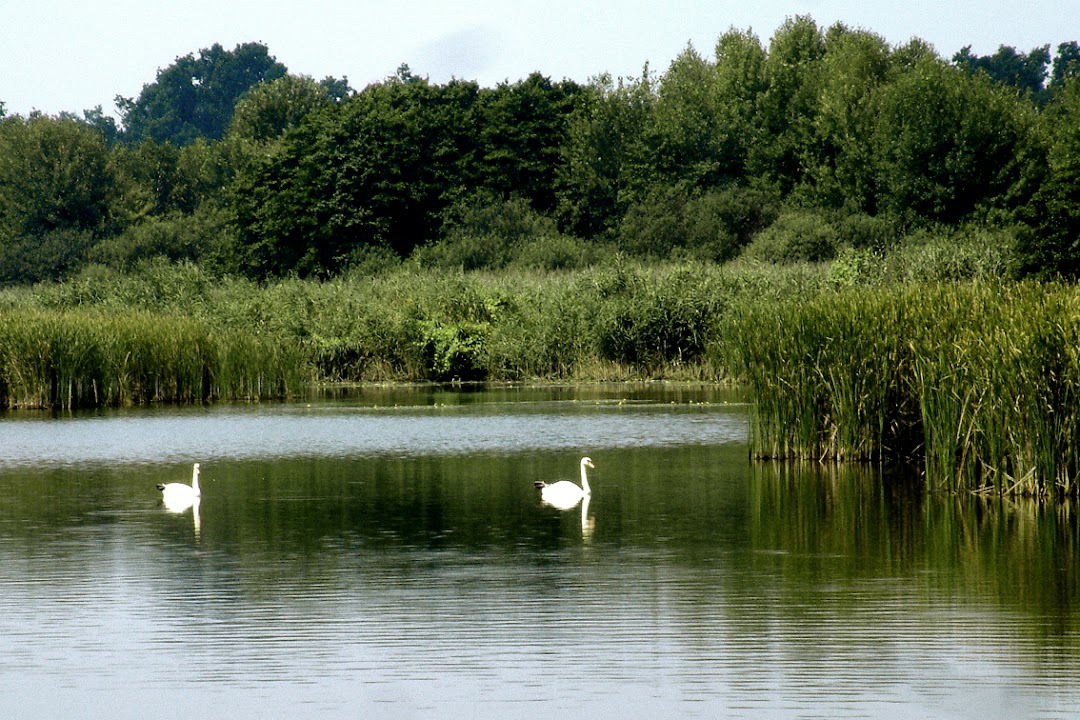
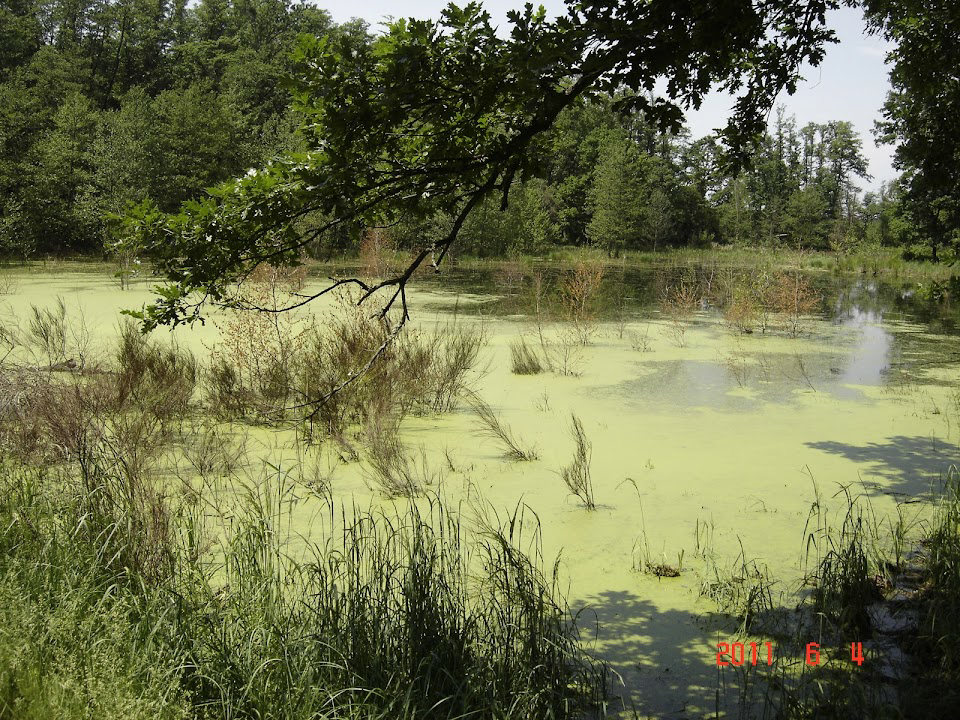
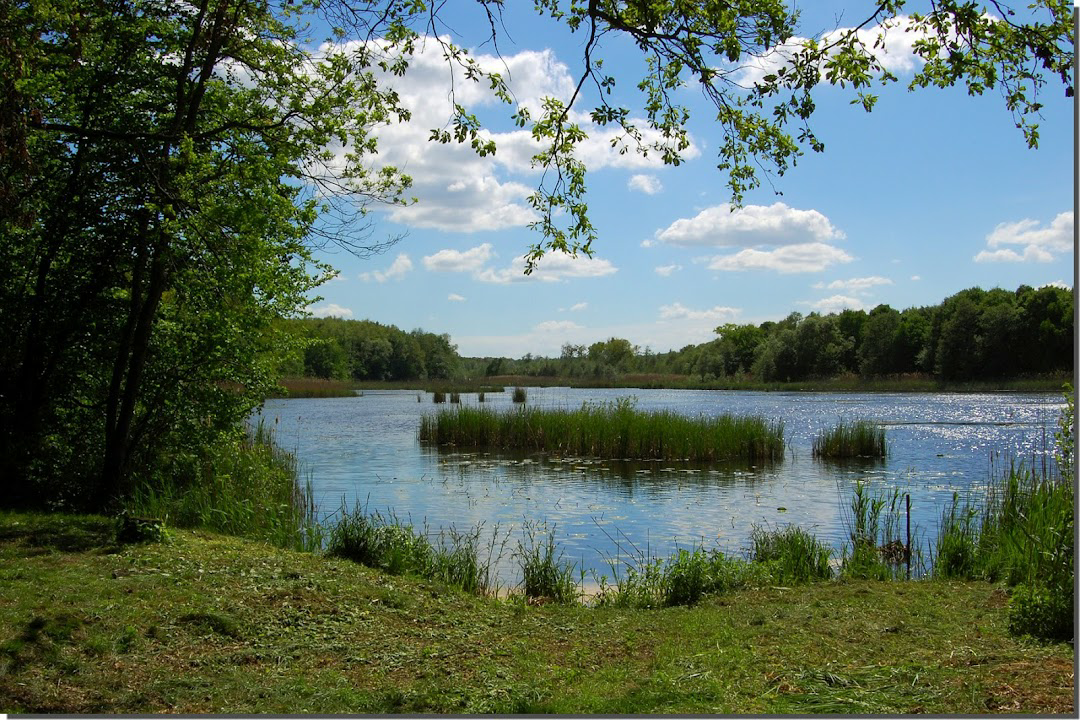
Alder carrs (Alnus glutinosa), partly with Betula pubescens, Salix cinerea, Salix pentandra, Picea abies, often in combination with alder-ash forests (Fraxinus excelsior, Alnus glutinosa, in the west and south with Fraxinus angustifolia s.l.), tall reed vegetation and sedge swamps
Description
The tree layer is dominated by Alnus glutinosa that reaches 15-20(25) m in height; in the north-east and in mountain ranges the spruce (Picea abies) appears, while in peat-moss alder carr Betula pubescens is more strongly represented. A differentiated stand structure is typically for the mapping unit: Hummocks are developed especially in very waterlogged alder swamp forests upon which alders with the actual alder carr vegetation grow, surrounded by wet, usually water filled "hollows", primarily with helo- and hydrophytes. A shrub layer is generally only weakly developed and limited to the hummocks. Here, less moisture tolerant woody plants and herb species can also exist. In the mostly species-rich and densely closed herb layer hygrophilous sedges, grasses and high perennials dominate. A moss layer only occurs more strongly in peat-moss alder carrs.
T1a: Alder carrs
T1b: Bog hollows
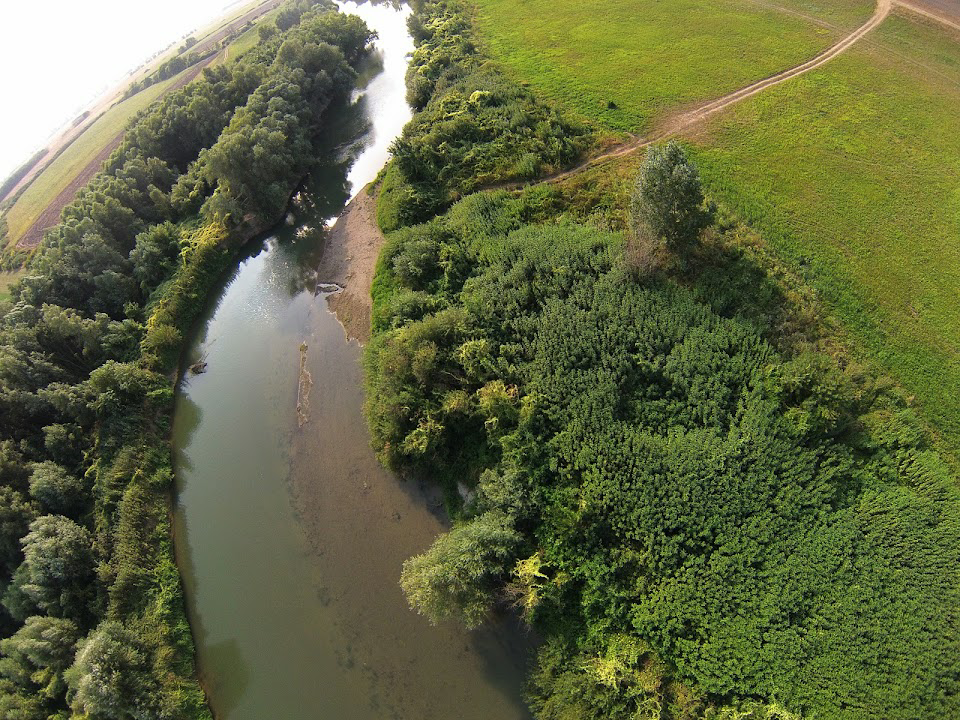
T1c: Waterside and floodplains
Tree Layer
T1a: Alnus glutinosa dominating (Common Alder), locally with Betula pubescens (Downy Birch), Picea abies (in the north-east and mountains) (Norway Spruce), Fraxinus excelsior (above all on lime-rich and soaky, nutrient-rich sites) (Common Ash), Prunus padus (Wild Plum) Fraxinus angustifolia s.l. (in the west and south) (Common Ash);
T1a: Common Alder dominating, locally with Downy Birch and Common Ash. Norway Spruce at higher elevations towards the mountains.
Pretty much only use mossy and ivy variants, with a mix of small, medium and tall thins
T1c: Salix alba (White Willow), Salix fragilis (in floodplain) (Crack Willow)
Shrub Layer
T1a: Frangula alnus (Alder Buckthorn), Salix cinerea (White Willow Bush), S.pentandra (Black Poplar Bush), Sambucus nigra (Elder), Ribes nigrum (wild_shrub), Rubus idaeus (Fruiting Bramble), Viburnum opulus (Linden Bush), Sorbus aucuparia (Rowan), Myrica gale (wild_shrub)
Alder, Apple, Willow and Downy Willow saplings
Dense undergrowth! Very vibey
Lianas
Solanum dulcamara, Humulus lupulus, locally (in the west) Lonicera periclymenum, Calystegia sepium
Herb Layer
T1a: Caltha palustris (sweet_woodruff), Carex elongata (bottle_sedge), Lycopus europaeus (greater_wood_rush), Solanum dulcamara (nettles), Thelypteris palustris (fern, fern_1, large_fern_3, bracken), Calamagrostis canescens (greater_fen_sedge), Scutellaria galericulata (nettles), Galium palustre (sweet_woodruff), Ranunculus repens (buttercups), Valeriana dioica, Poa palustris (woodland_sedge), Lythrum salicaria (nettles), Lysimachia vulgaris (sweet_woodruff);
Continuous herb layer
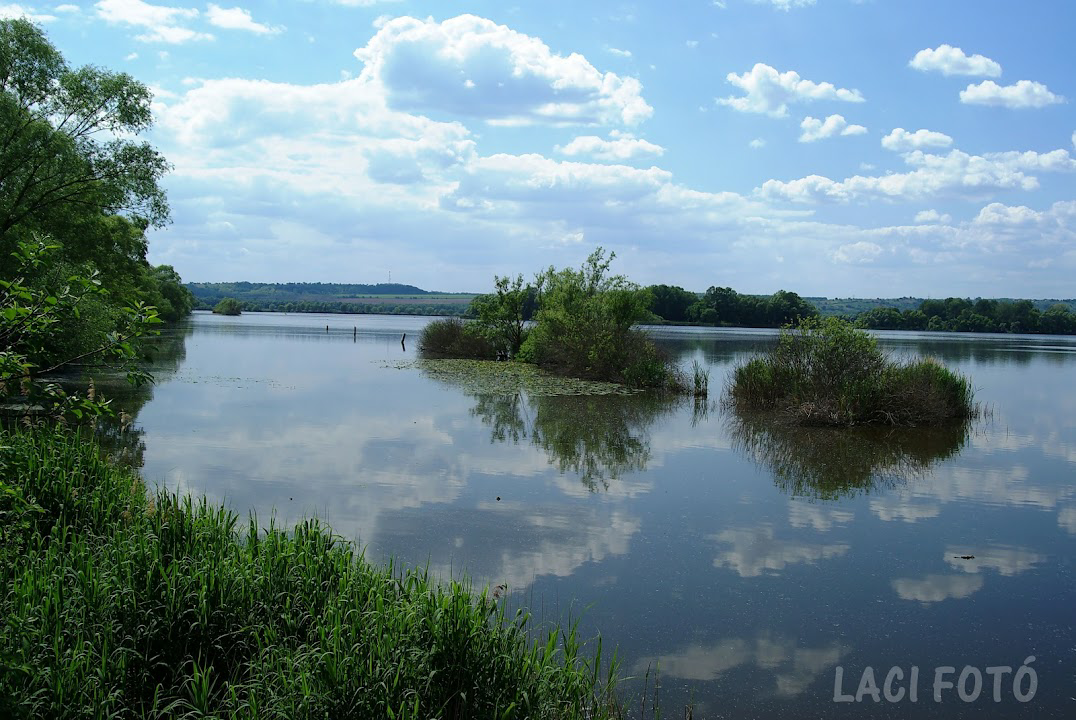
T1b: Carex acutiformis (often dominating) (bottle_sedge), Carex riparia (rushes), Phragmites australis (dry_reeds), Iris pseudacorus (lush_grass), Carex pseudocyperus (bottle_sedge), C.paniculata (bottle_sedge), Peucedanum palustre (horse_chestnut_tree_sapling), Mentha aquatica (nettles), Sium latifolium (horse_chestnut_tree_sapling), Cicuta virosa (horse_chestnut_tree_sapling), Lysimachia thyrsiflora (gorse_tree_sapling). T1c: Hottonia palustris (duckweed), Equisetum fluviatile (wood_horsetail), Calla palustris
Unused subvariants we might want to do something with in future
In soaky alder swamp forests: Cardamine amara (wild_parsley), Carex remota (bottle_sedge), Chrysosplenium oppositifolium (wild_parsley), Chrysosplenium alternifolium (wild_parsley), Phalaris arundinacea (green_meadow_fescue), Poa trivialis (kentucky_bluegrass), Crepis paludosa (dandelion)
In rich forms: Eupatorium cannabinum (sea_lavender), Filipendula ulmaria (cotton_grass), Valeriana procurrens (greater_wood_rush), Myosotis scorpioides (sweet_woodruff), Cirsium oleraceum (sweet_woodruff).
In poor forms: Carex nigra (deergrass), Carex echinata (bottle_sedge), Carex canescens (bottle_sedge), Viola palustris (wild_parsley), Glyceria fluitans (green_meadow_fescue), Juncus effusus (rushes), Agrostis canina (green_meadow_fescue), Dryopteris carthusiana (fern_1), Equisetum sylvaticum (wood_horsetail)
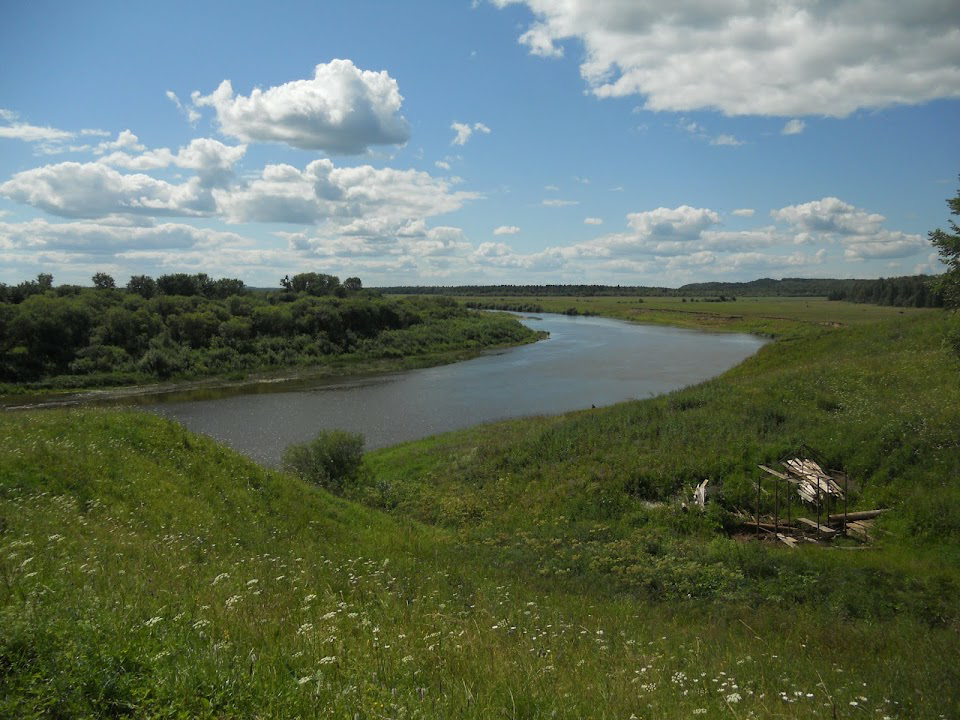
Wooded wetlands in Eriador, mostly along the Gwathló River