R1
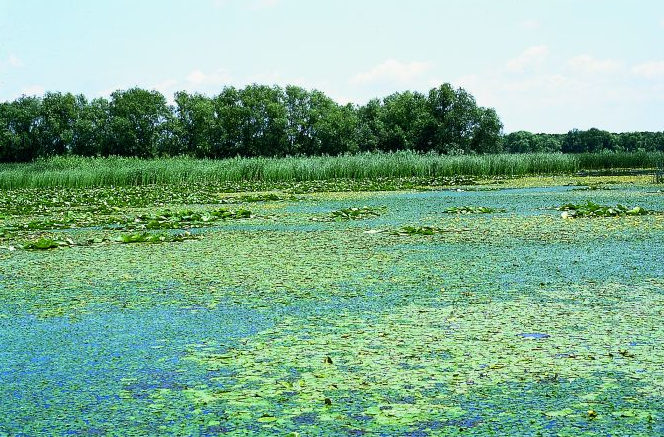
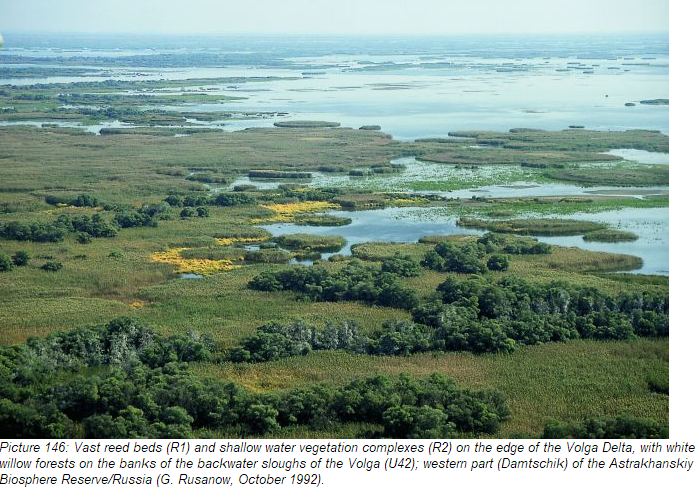
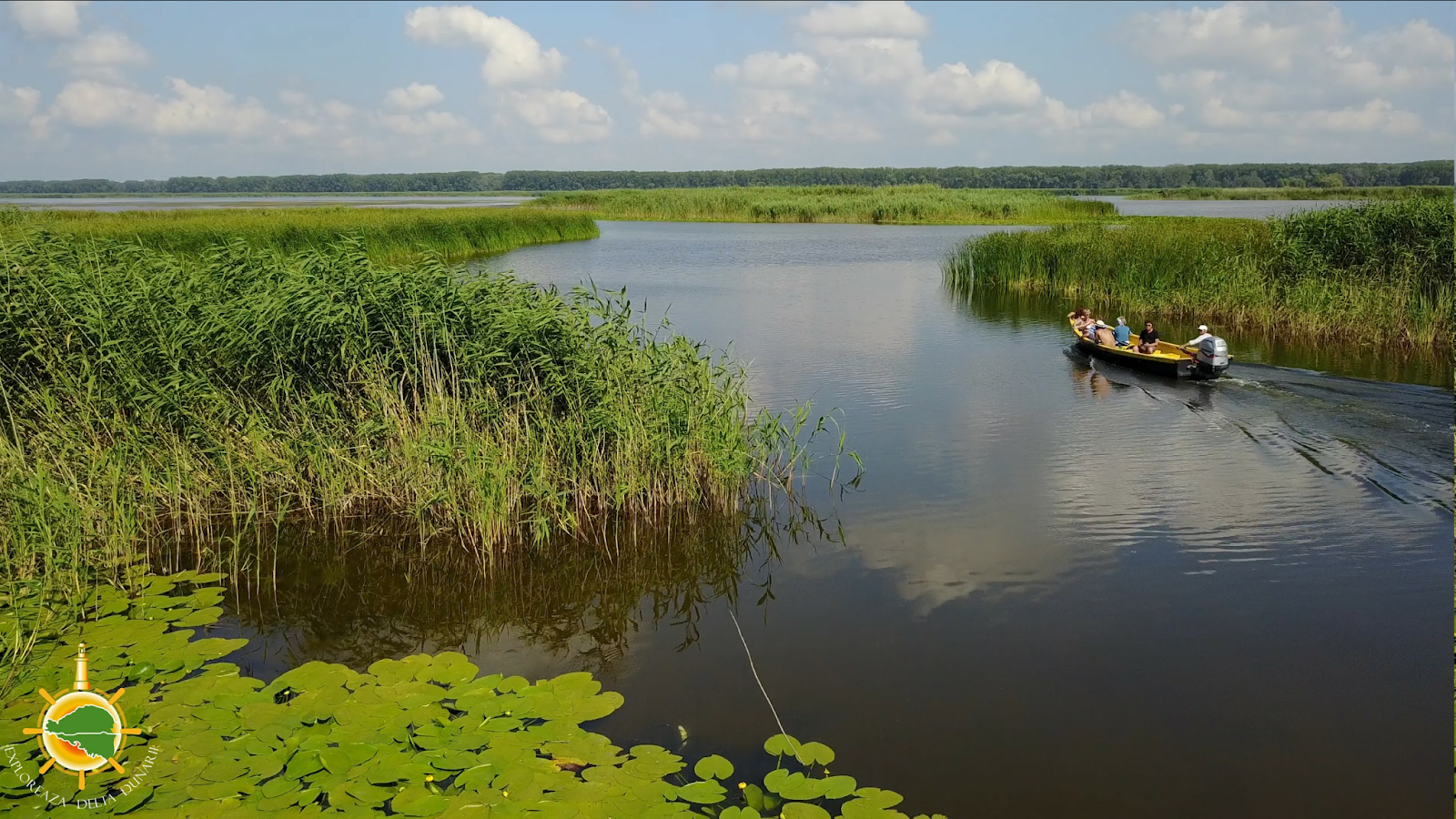
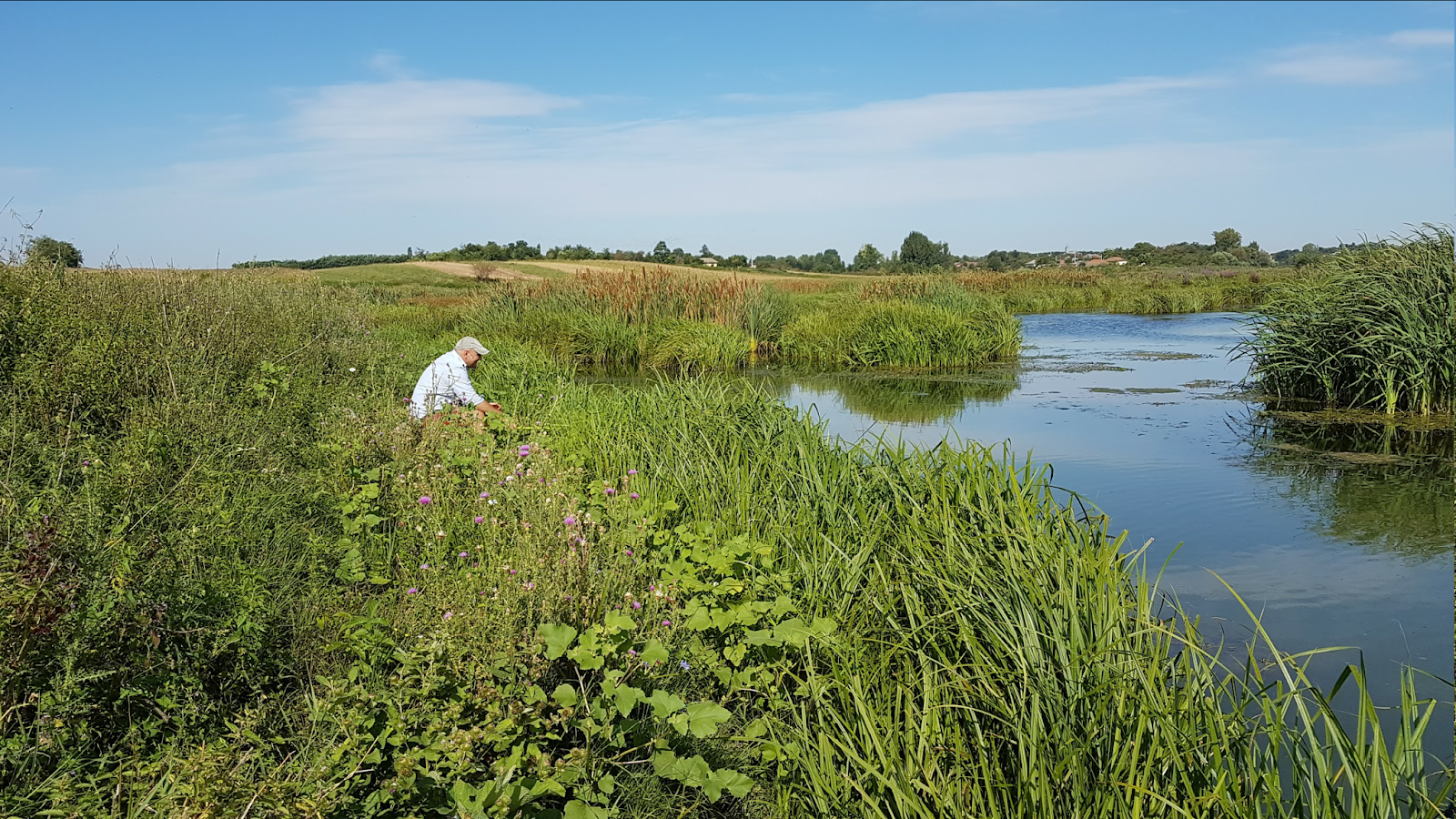
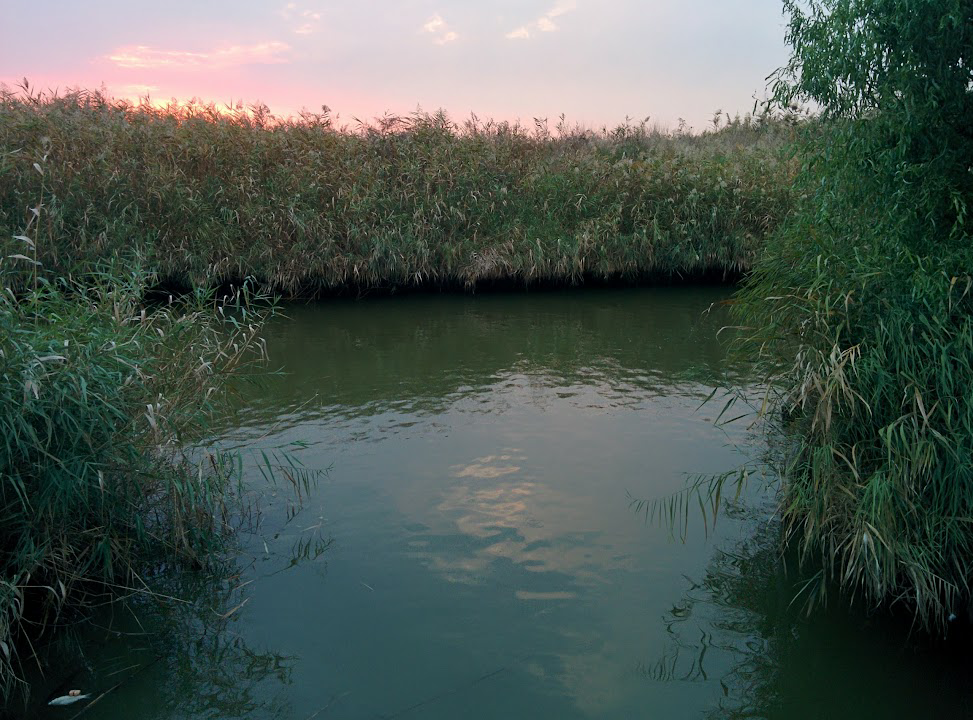
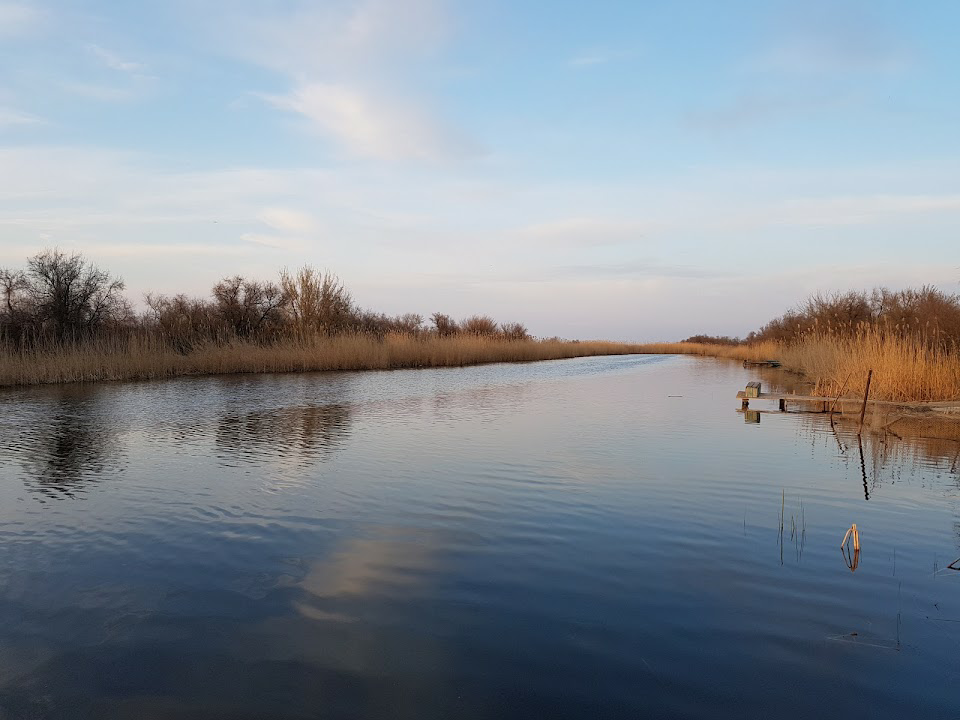
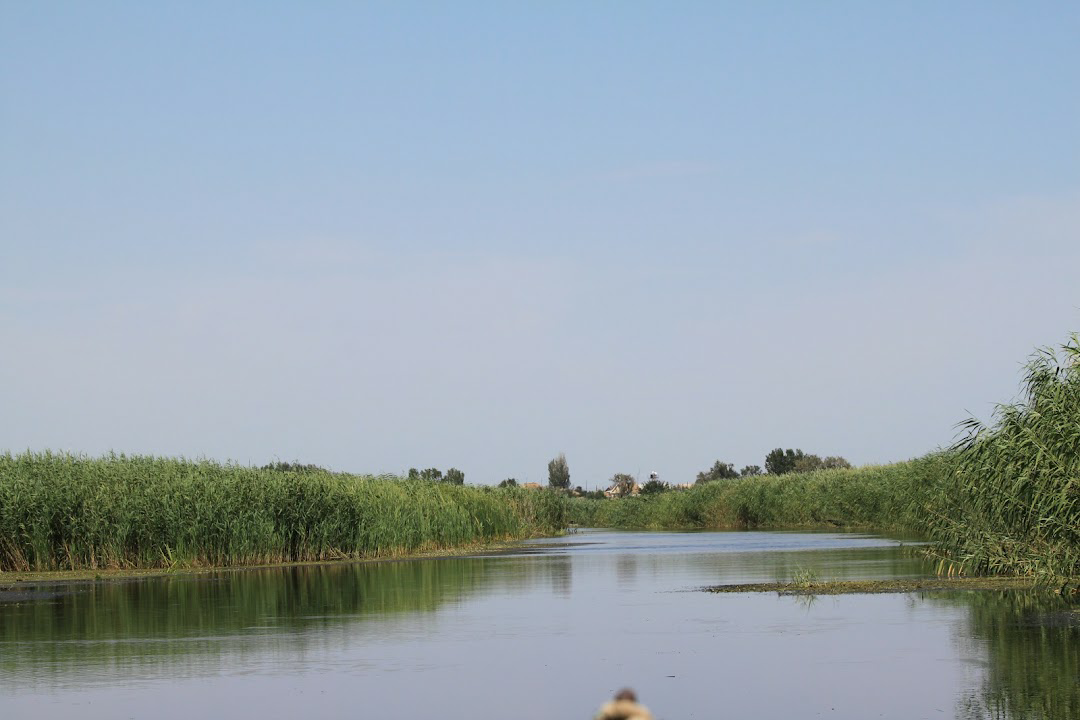
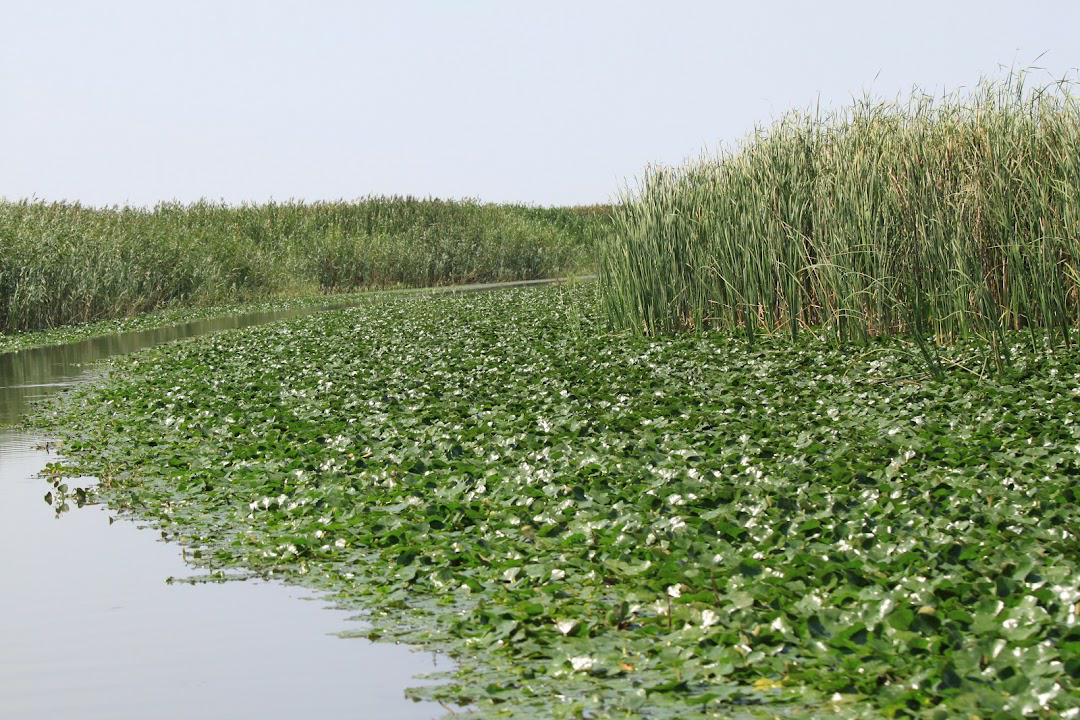
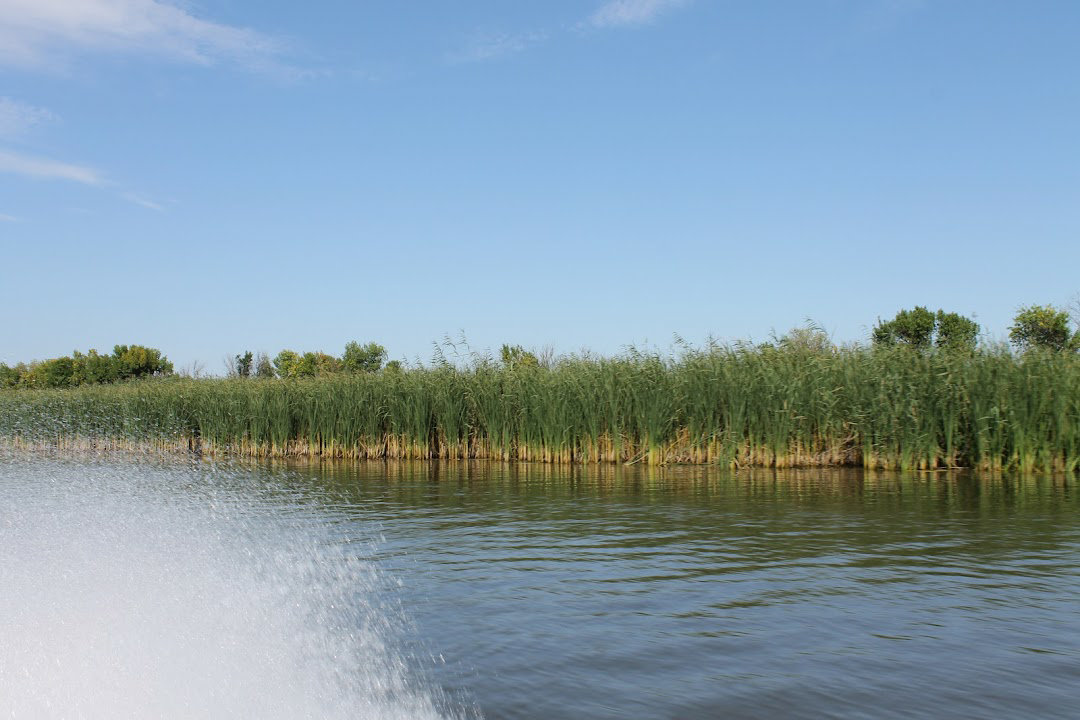
Freshwater tall reed swamps (Phragmites australis, Typha angustifolia, Typha latifolia, Schoenoplectus lacustris, partly Cladium mariscus etc.)
Description
At the northern border of the area open, low-growing reed vegetation. Up to 4 m high reed stands in the south of Europe. In floodplains of south-east European streams sometimes with a marked tall-perennial layer.
Ground cover: large communities of dry reeds, rushes and cattails
Tree Layer
No detail
Shrub Layer
No detail
Lianas
Calystegia sepium
Herb Layer
mostly dominant stands of Phragmites australis (dry_reeds), Schoenoplectus lacustris (rushes), Schoenoplectus tabernaemontanei (rushes), Typha angustifolia (cattails), Typha latifolia (cattails), Sparganium erectum; in the north additionally Scolochloa festucacea, in the central part Glyceria maxima, Acorus calamus, Cladium mariscus
The Mouths of the Entwash, the Nindalf (Wetwang) and Swanfleet marshes, as well as wetlands to the north of the Sea of Rhûn
No items found.