F75
Armorican (sessile oak-)beech forests (Fagus sylvatica, Quercus petraea) with Ilex aquifolium, Taxus baccata, Ruscus aculeatus, Blechnum spicant and numerous epiphytic cryptogams
Description
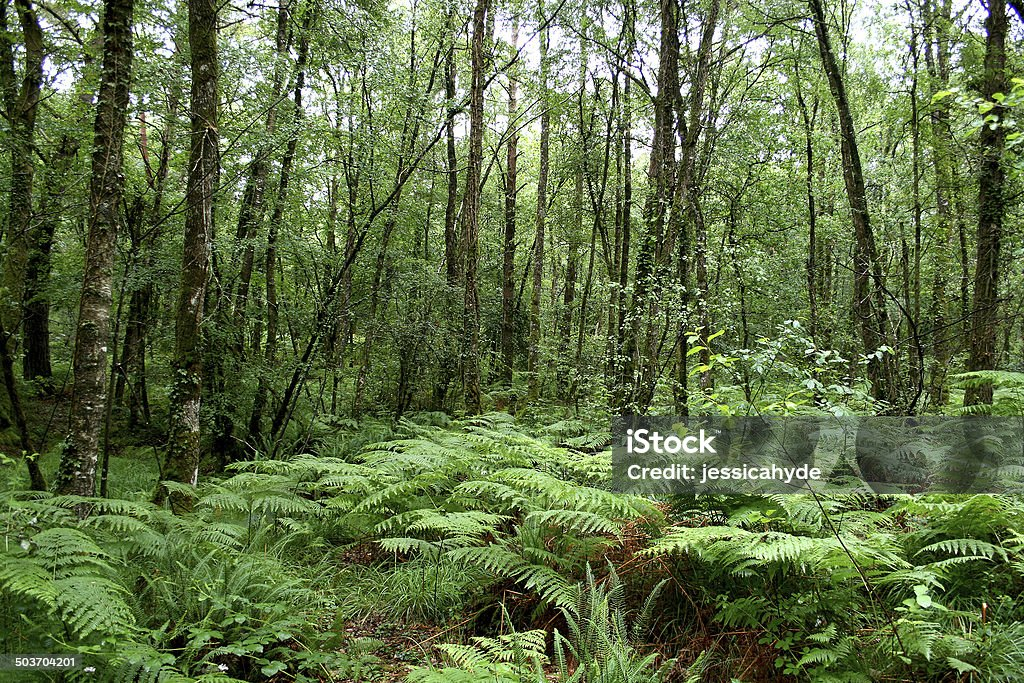
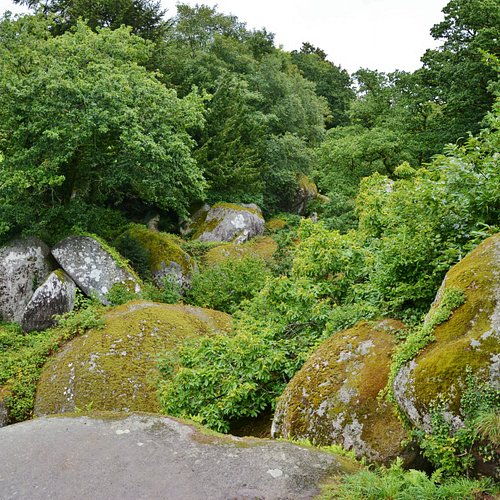
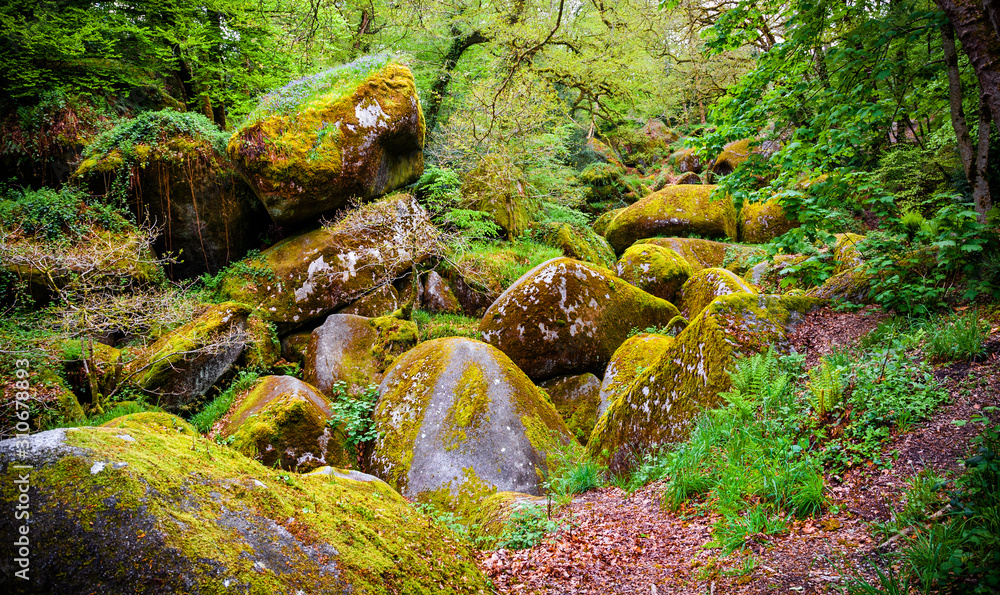
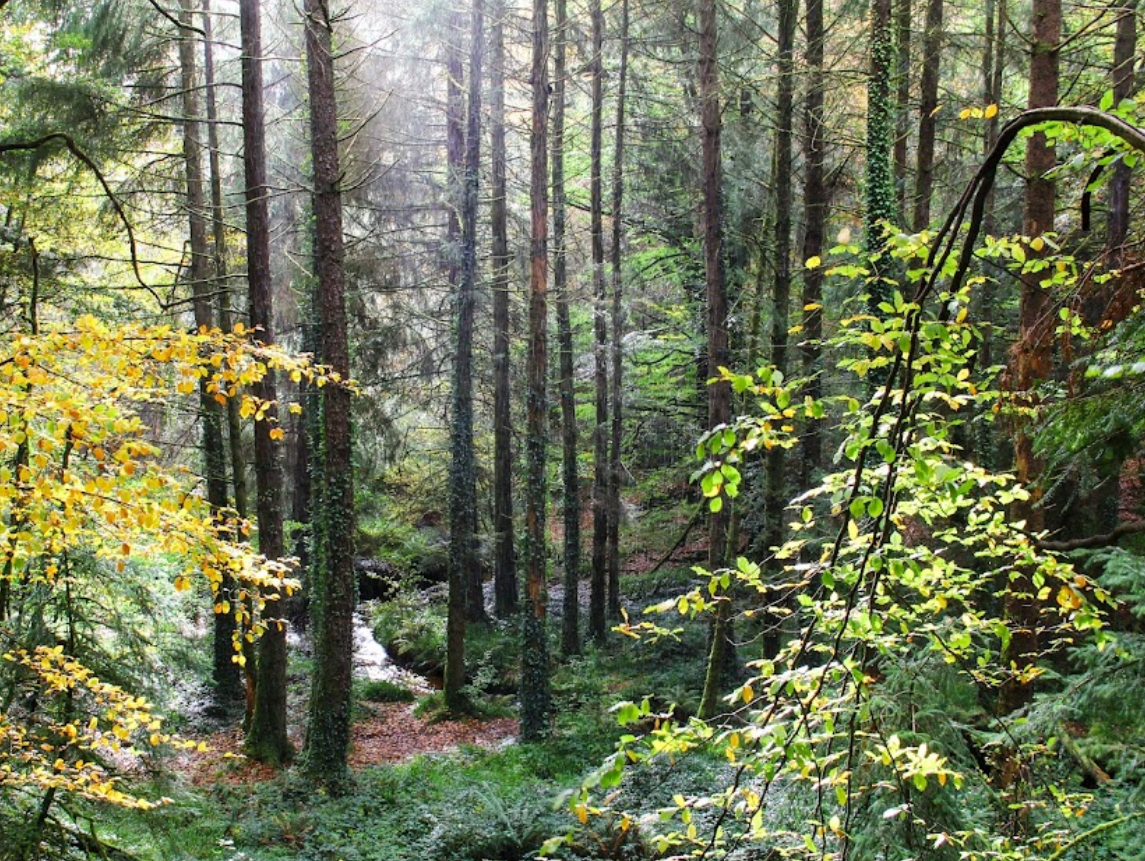
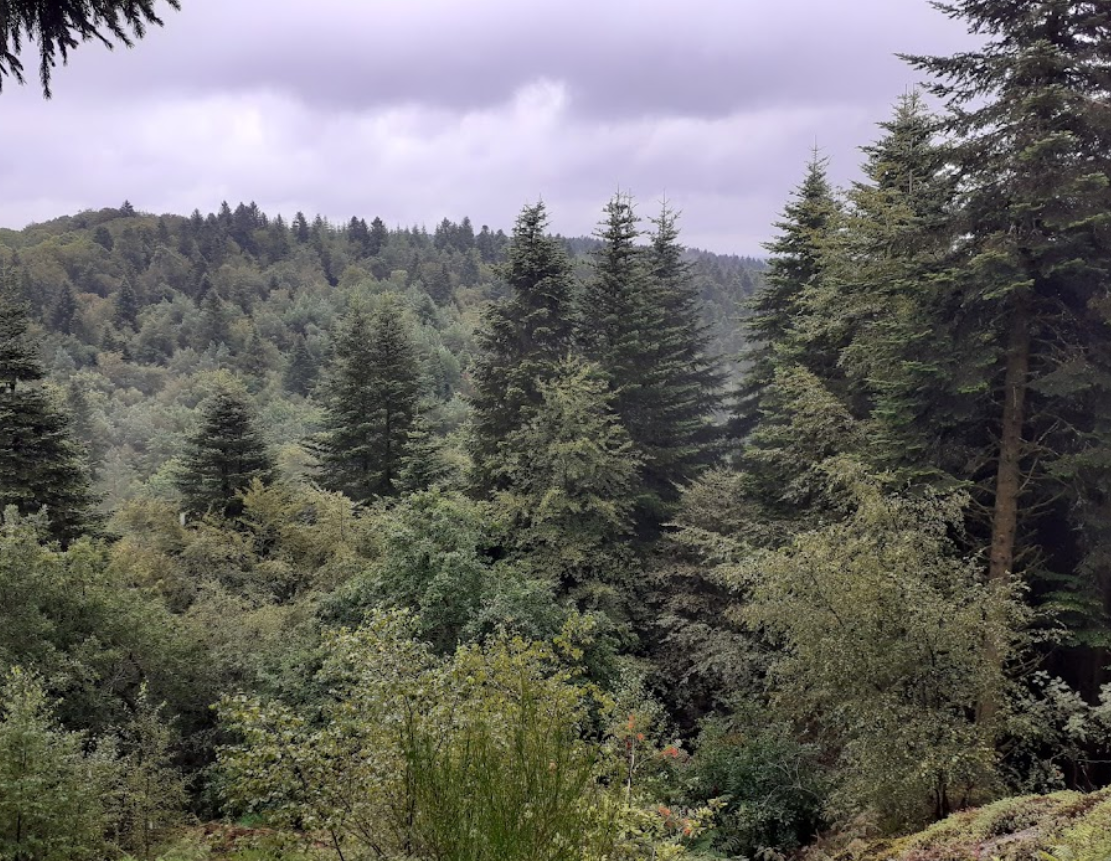
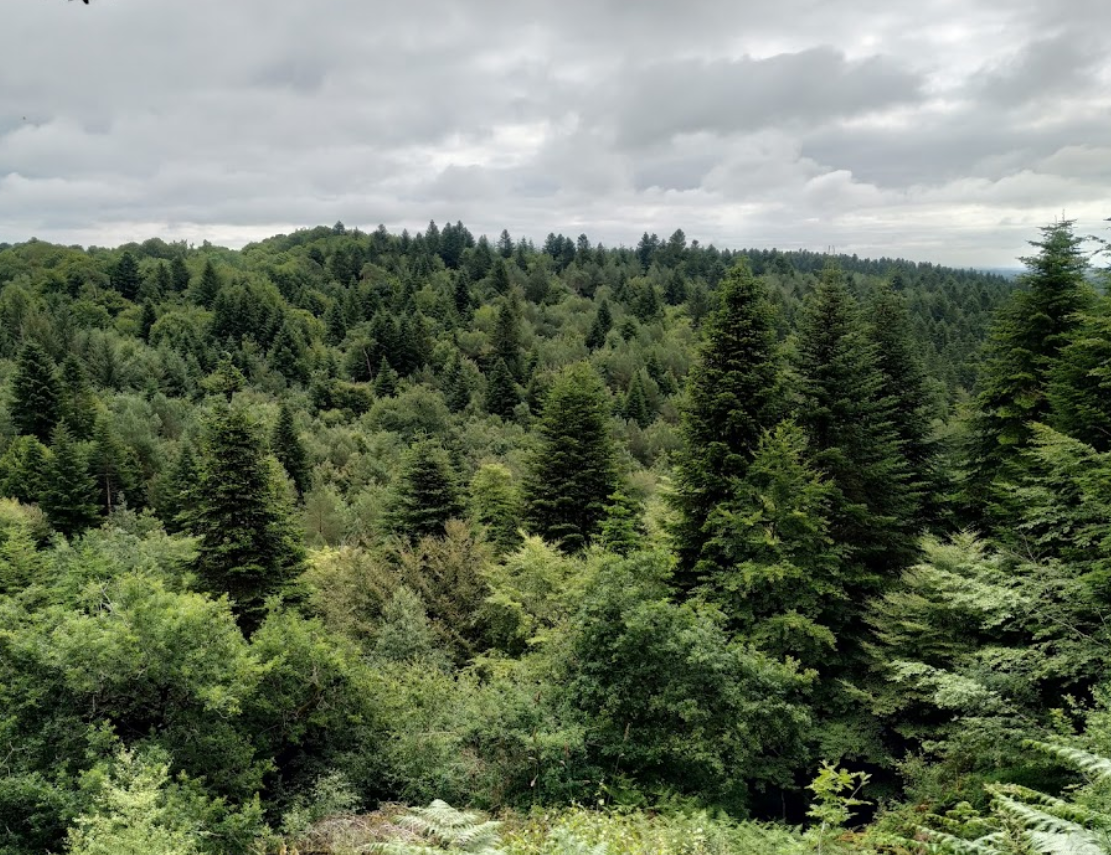
NOTE: The original NVC had beech instead of Scots Pine, but since Eryn Vorn is described as pine and F75 works well in all other respects (including that pine would probably do well here if it weren’t outcompeted by beech), beech has simply been replaced by Scots Pine.Pine-dominated forests with varying proportions of oak. The stands are characterised by a remarkable richness in epiphytes which owes its existence to the moisture and cleanliness of the sea air: Polypodium vulgare, numerous lichen species (6 Usnea, 4 Sorbaria, 2 Parmelia, 2 Sticta species), bryophytes and the liverwort Frullania tamarisci that colonises tree branches (Des Abbayes 1934, 1954). The undergrowth contains numerous evergreen shrub species and lianas, particularly Ilex aquifolium, Taxus baccata, Buxus sempervirens, Ruscus aculeatus and Hedera helix. The herb layer is diversely interwoven.
Tree Layer
Pinus sylvestris (Scots Pine) dominating, Quercus petraea (Sessile Oak) stem-wise admixed, Quercus robur (Common Oak), Castanea sativa (Horse Chestnut) (introduced, with natural rejuvenatiom)
Shrub Layer
Ilex aquifolium (Holly), Taxus baccata (Yew), Buxus sempervirens (Boxwood), Ruscus aculeatus (Fruiting Holly Bush), Corylus avellana (Hazel) less constant, rarely Sorbus torminalis (Wild Service Tree), Sorbus aucuparia (Rowan), Betula pendula (Silver Birch), Betula pubescens (Downy Birch), Frangula alnus (Alder Buckthorn), Mespilus germanica (Dogwood), Pyrus communis (Wild Pear), exceptionable Acer campestre (Field Maple), Acer pseudoplatanus (Field Maple)
Lianas
Hedera helix (ivy-variant trees), Lonicera periclymenum (English Elm Bush), Rubus fruticosus (Fruiting Bramble)
Herb Layer
Pteridium aquilinum (bracken), Holcus mollis (dry_reeds), Polypodium vulgare (fern, bracken), Blechnum spicant (fern_1, fern), further acidophytes as well as Fagetalia species: Vaccinium myrtillus (bilberry_bush), Deschampsia flexuosa (lush_grass), Carex pilulifera (bottle_sedge)
Eryn Vorn (imagine pines instead of beech trees)