F110
Subatlantic-Central European Melica uniflora- or Galium odoratum- and Milium effusum-beech forests (Fagus sylvatica), partly with Galium sylvaticum
Description
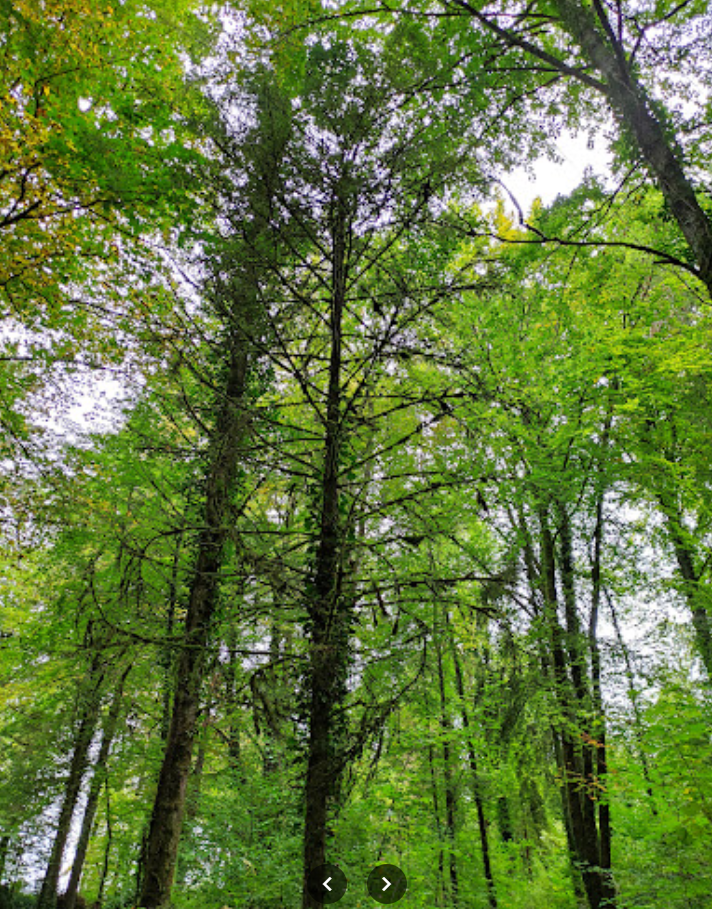
The beech dominates in the tree layer. Ash and sycamore may be added singly or as groups while other tree species such as sessile oak, field maple, hornbeam or large-leaved lime are rare and found in only certain forms. In semi-natural stands the shrub layer is almost completely absent. The well developed species-rich herb layer harbours mainly eutrophic and mesotrophic species. Acidophilous plants such as Luzula luzuloides, Polytrichum formosum are restricted to the poorest form that transcends to the Luzulo-Fagetum. Sparse moss. Local variants: inclusion of Ilex aquifolium, Lonicera periclymenum
F110a (upland forest):
Biome:
Trees: Common Beech dominates, with interspersed Sessile Oak; Hornbeam in understory; locally Common Ash, Field Maple, Common Linden and Elm
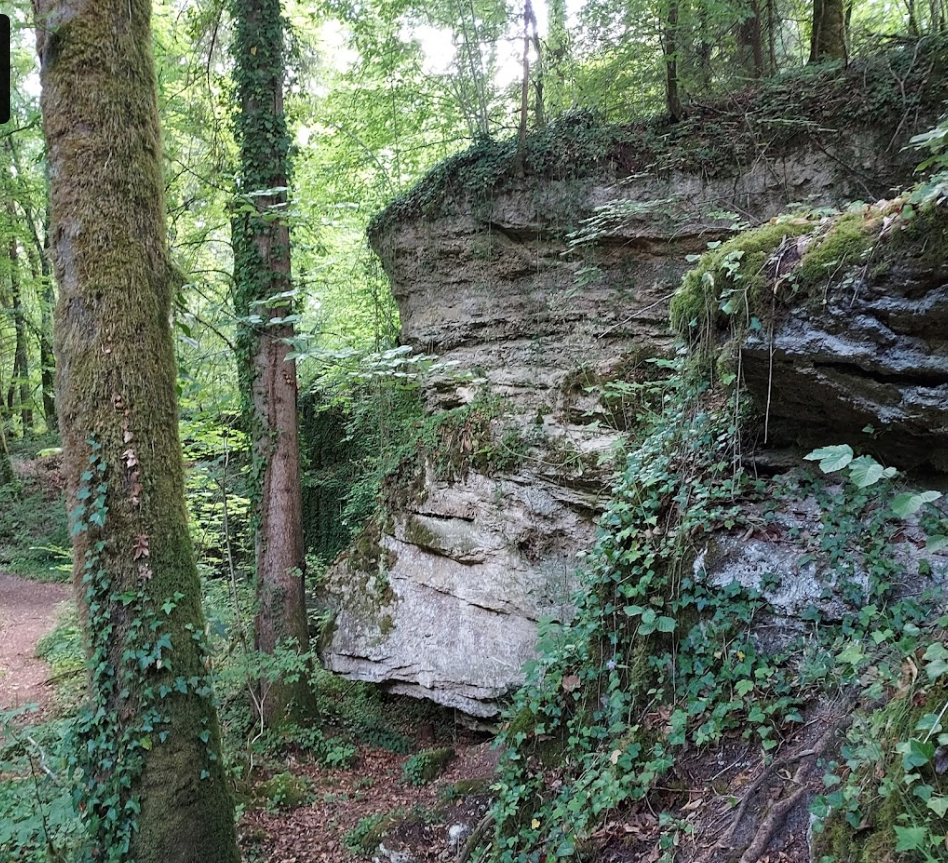
Ivy-variant trees should be common
Shrubs: generally isolated; Fruiting Blackthorn Bush, Fruiting Hawthorn Bush, Elder, Fruiting Rowan, Fruiting Bramble, Hawthorn, Linden Bush, Hazel, Fruiting Dogwood, Spindle
Groundcover (in clumps): lush_grass, sweet_woodruff, fern_1, bracken, fern, wild_parsley, autumnal_dwarf_birch, meadow_fescue, woodland_sedge, dogs_mercury, oxeye_daisy, green_spurge, lily_of_the_valley, greater_wood_rush, cross_leaved_heath
Scattered marsh_ragwort, blackberry_bush, harebell, nettles, thick_fern
F110b (lowland forest):
Biome:
Trees: no documented distinction from upland variant
Shrubs: generally isolated; again, no distinction from upland
Groundcover: mostly a grass mix including woodland_sedge and grass but could also include lush_grass and others; small clumps of sweet_woodruff are fairly common
Tree Layer
Fagus sylvatica dominating (Common Beech), stem- to group-wise interspersed Quercus petraea (Sessile Oak), Carpinus betulus (in the underwood) (Hornbeam), locally Fraxinus excelsior (Common Ash), Acer pseudoplatanus (Field Maple), Tilia cordata (Common Linden), Acer platanoides (Field Maple), Ulmus glabra (Elm), Prunus avium (Common Linden (small-medium))
Shrub Layer
Young growth of trees, isolated Daphne mezereum (Fruiting Blackthorn Bush), Lonicera xylosteum (Fruiting Hawthorn Bush), Sambucus nigra (Elder), Sambucus racemosa (Fruiting Rowan), Rubus idaeus (Fruiting Bramble), Crataegus laevigata (Hawthorn), Crataegus monogyna (Hawthorn), Viburnum opulus (Linden Bush), Rosa arvensis (wild_shrub), Corylus avellana (Hazel), Cornus sanguinea (Fruiting Dogwood), Euonymus europaea (Spindle)Oak, Alder, Apple and Downy Willow Saplings
Lianas
No details
Herb Layer
F110a Upland forest: Melica uniflora (lush_grass), Galium odoratum (sweet_woodruff), Lamium galeobdolon (wild_parsley), Cardamine bulbifera (autumnal_dwarf_birch), Viola reichenbachiana (sweet_woodruff), Mercurialis perennis (dogs_mercury), Milium effusum (green_meadow_fescue), Carex sylvatica (woodland_sedge), Poa nemoralis (lush_grass), Neottia nidus-avis (wormwood), Sanicula europaea (oxeye_daisy), Hordelymus europaeus (woodland_sedge), Mycelis muralis (marsh_ragwort), Actaea spicata (blackberry_bush), Campanula trachelium (harebell), Euphorbia amygdaloides (green_spurge), Polygonatum multiflorum (lily_of_the_valley), Phyteuma nigrum (greater_wood_rush), Scrophularia nodosa (nettles), Paris quadrifolia (sweet_woodruff), Epilobium montanum (thick_fern), Vicia sepium (cross_leaved_heath), Dryopteris filix-mas (fern_1, bracken, fern);
F110b lowland species: Hedera helix, Stellaria holostea (grass), Dactylis polygama (woodland_sedge), Convallaria majalis (sweet_woodruff), Phyteuma spicatum (sweet_woodruff), Galium sylvaticum (sweet_woodruff)
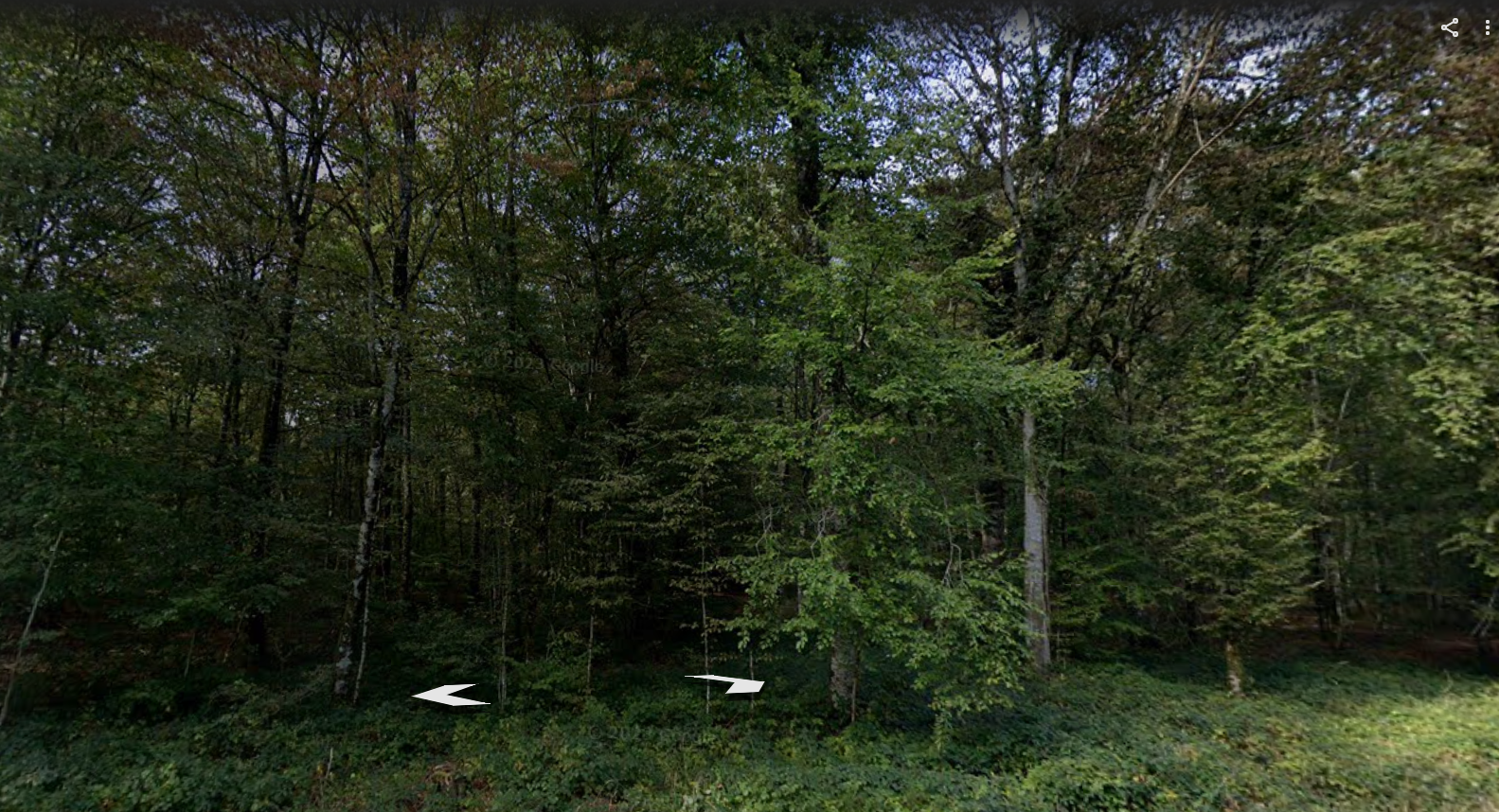
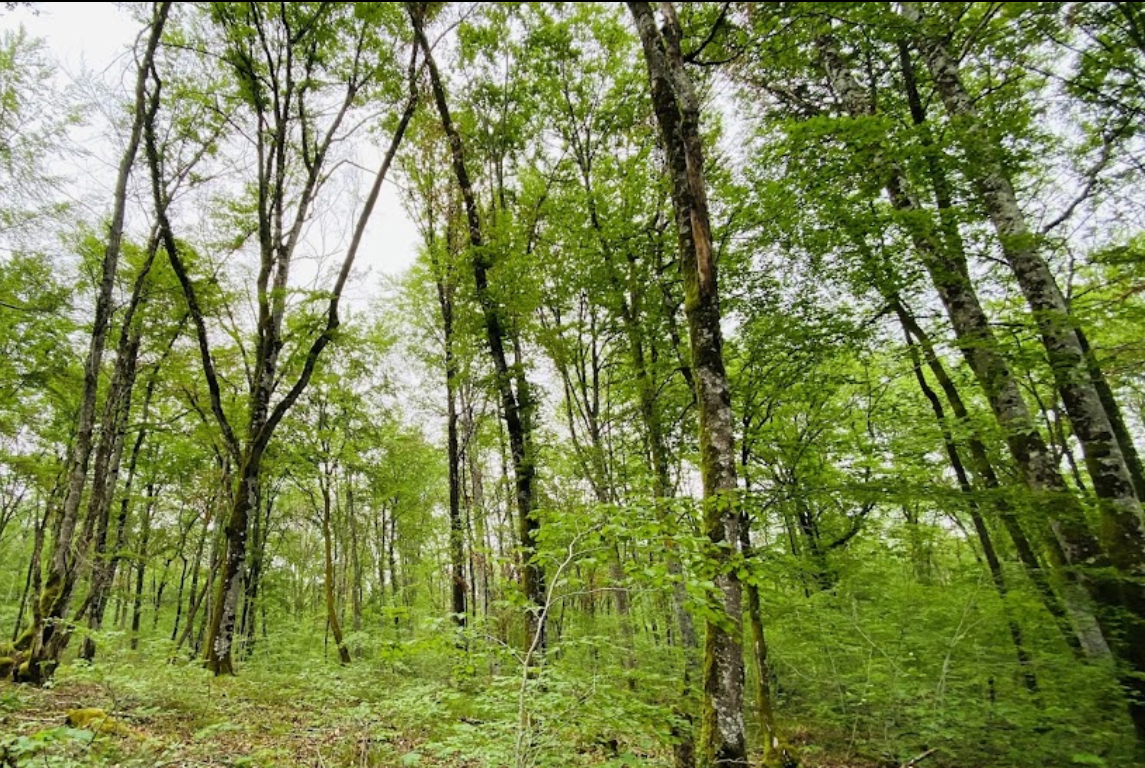
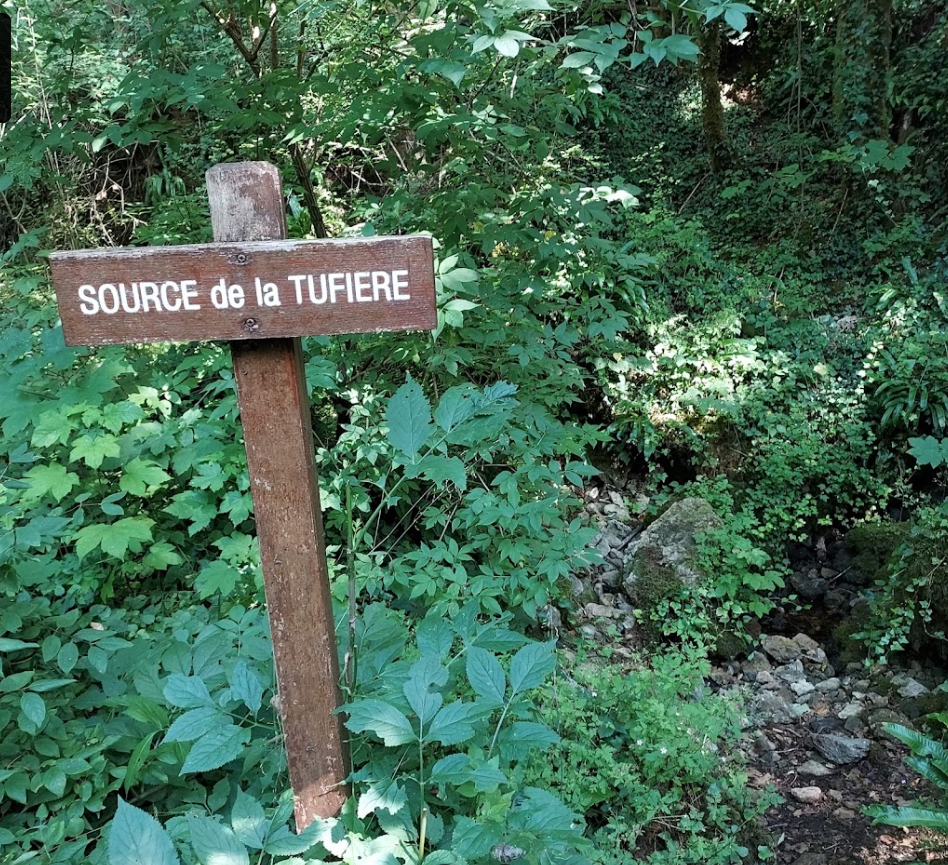
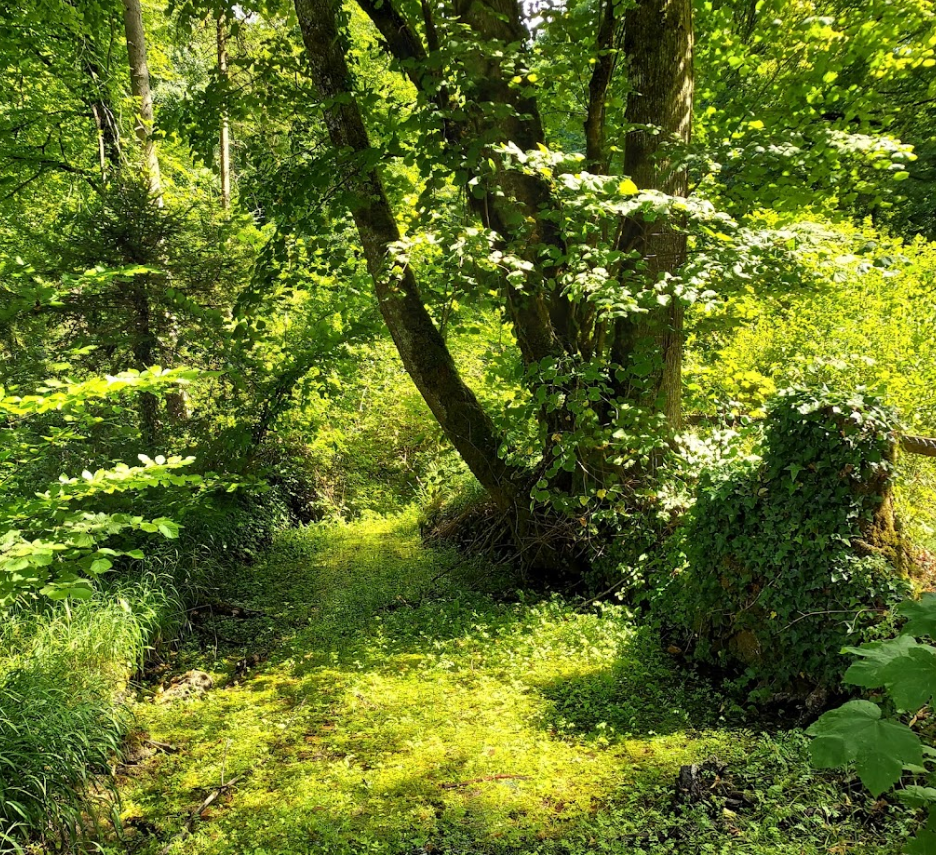
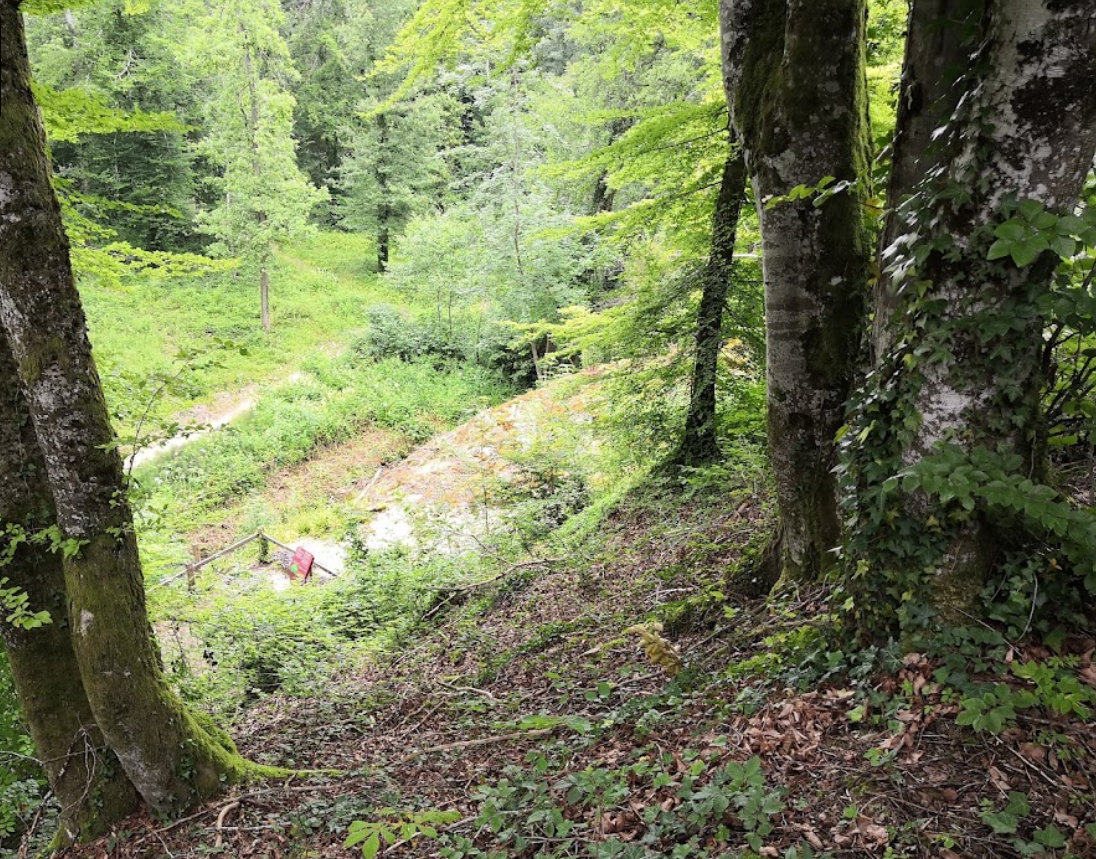
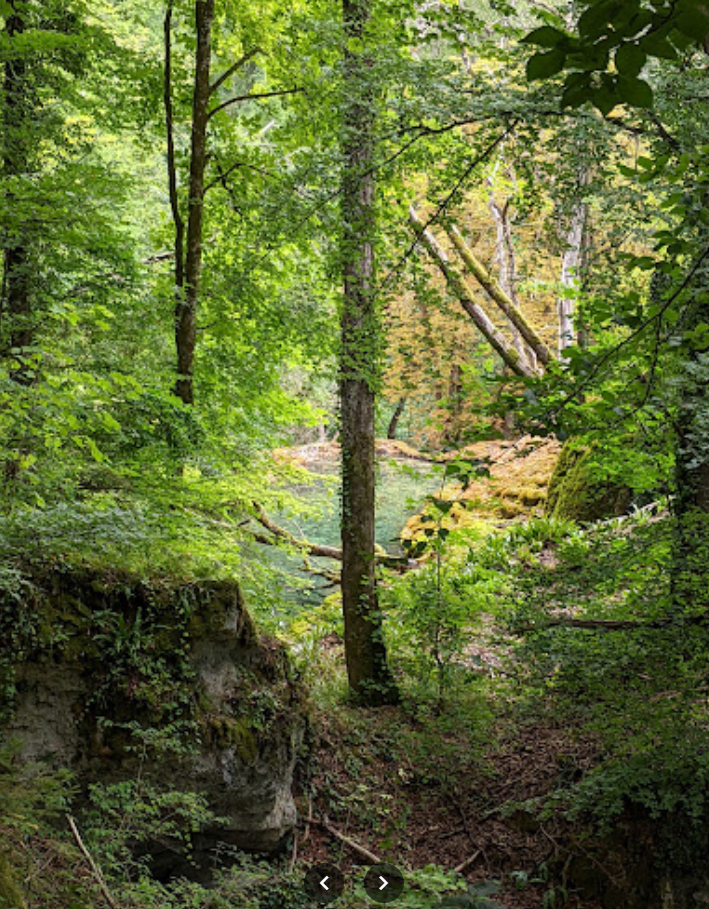
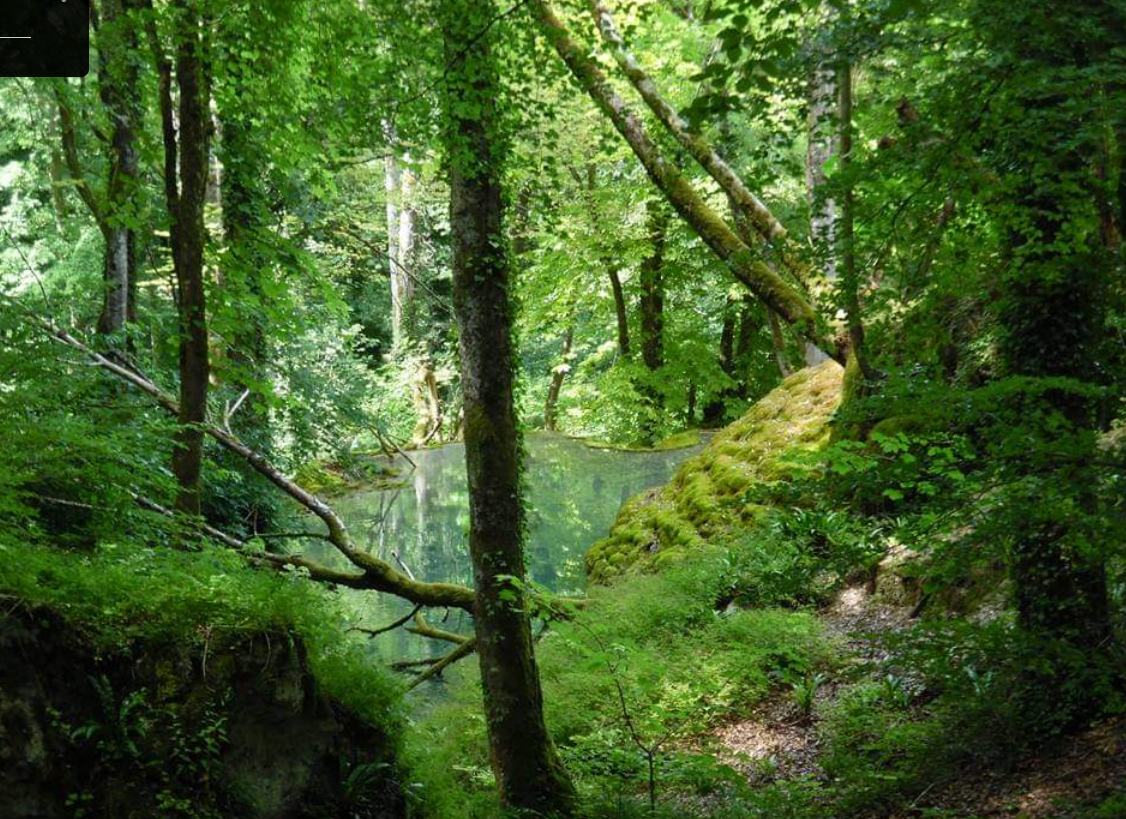
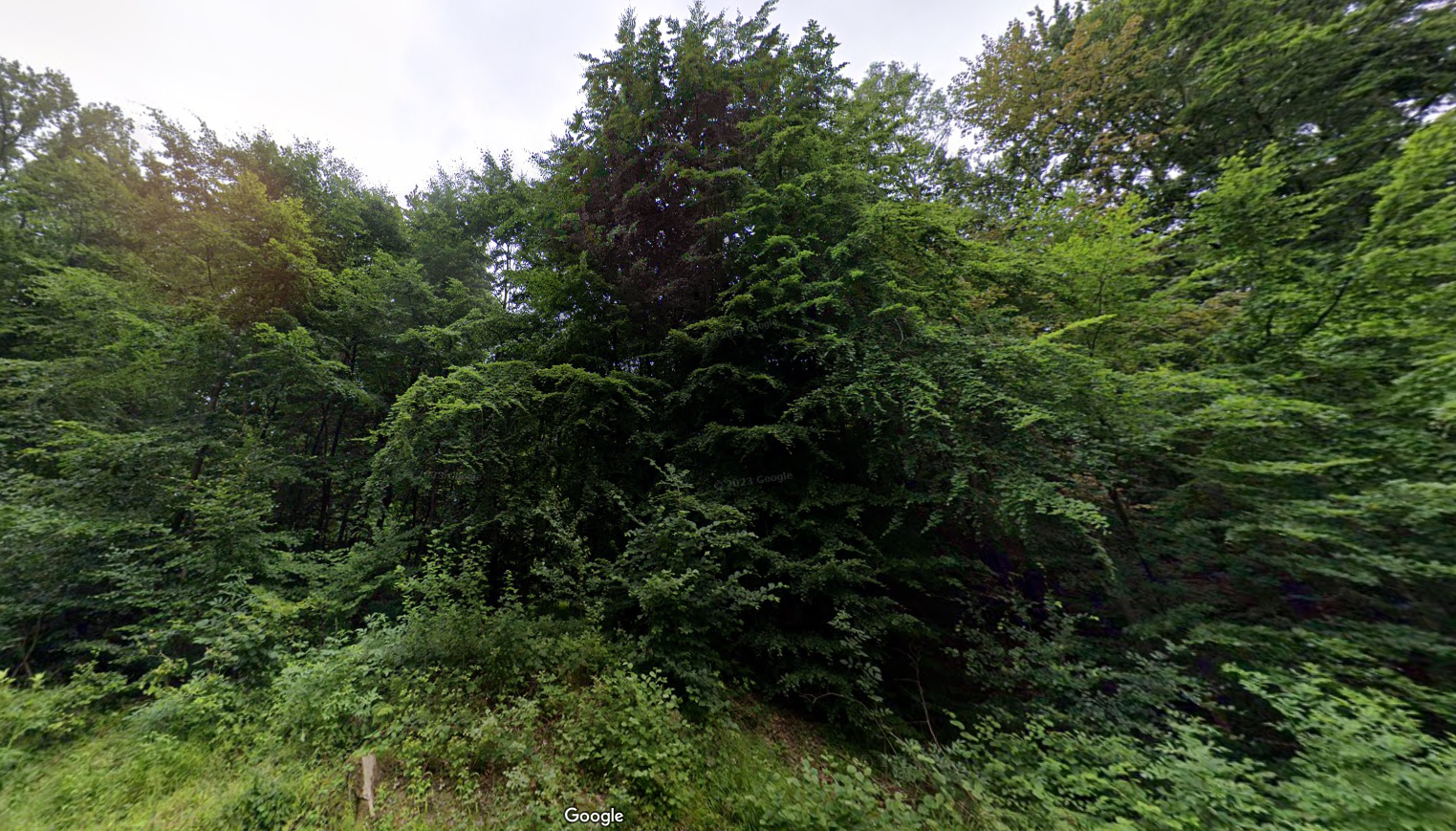
Forests in Minhiriath, Rhudaur and the lower Vales of Anduin
.png)
.png)