D35
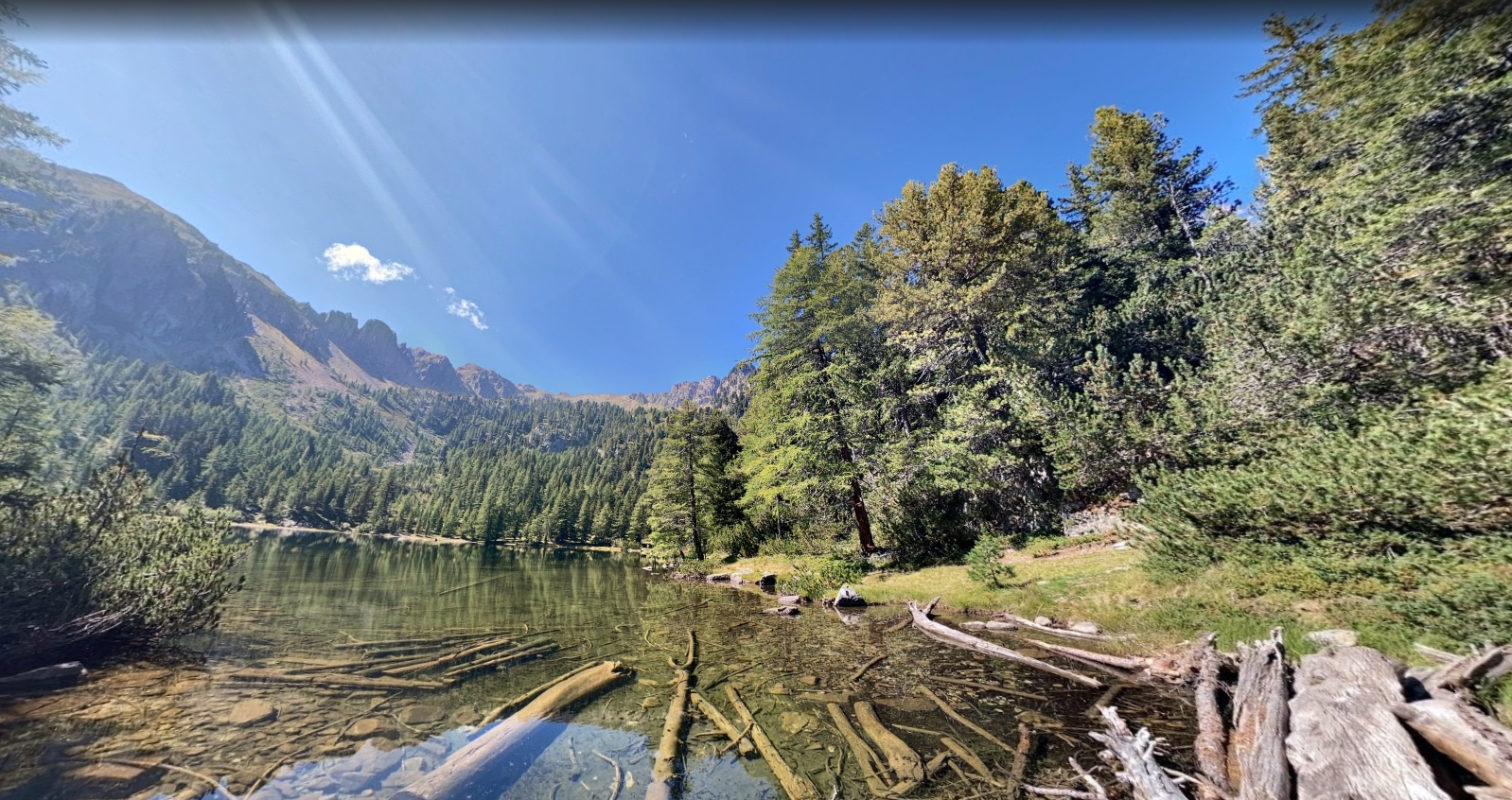
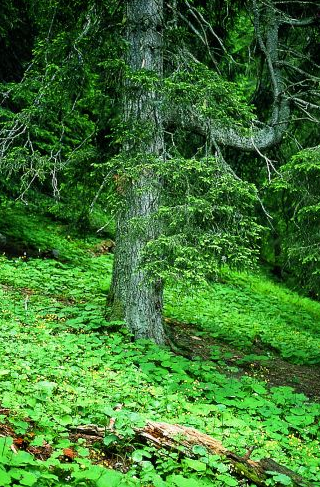
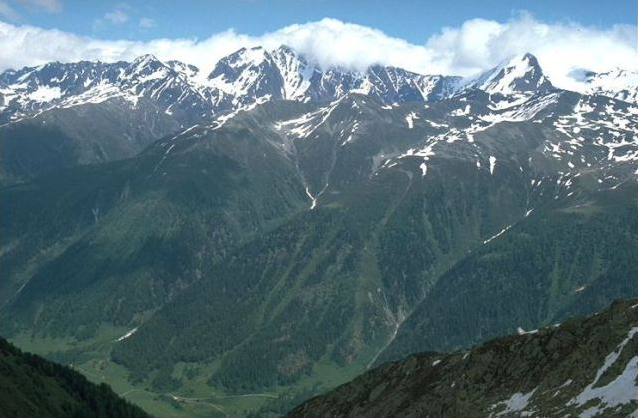
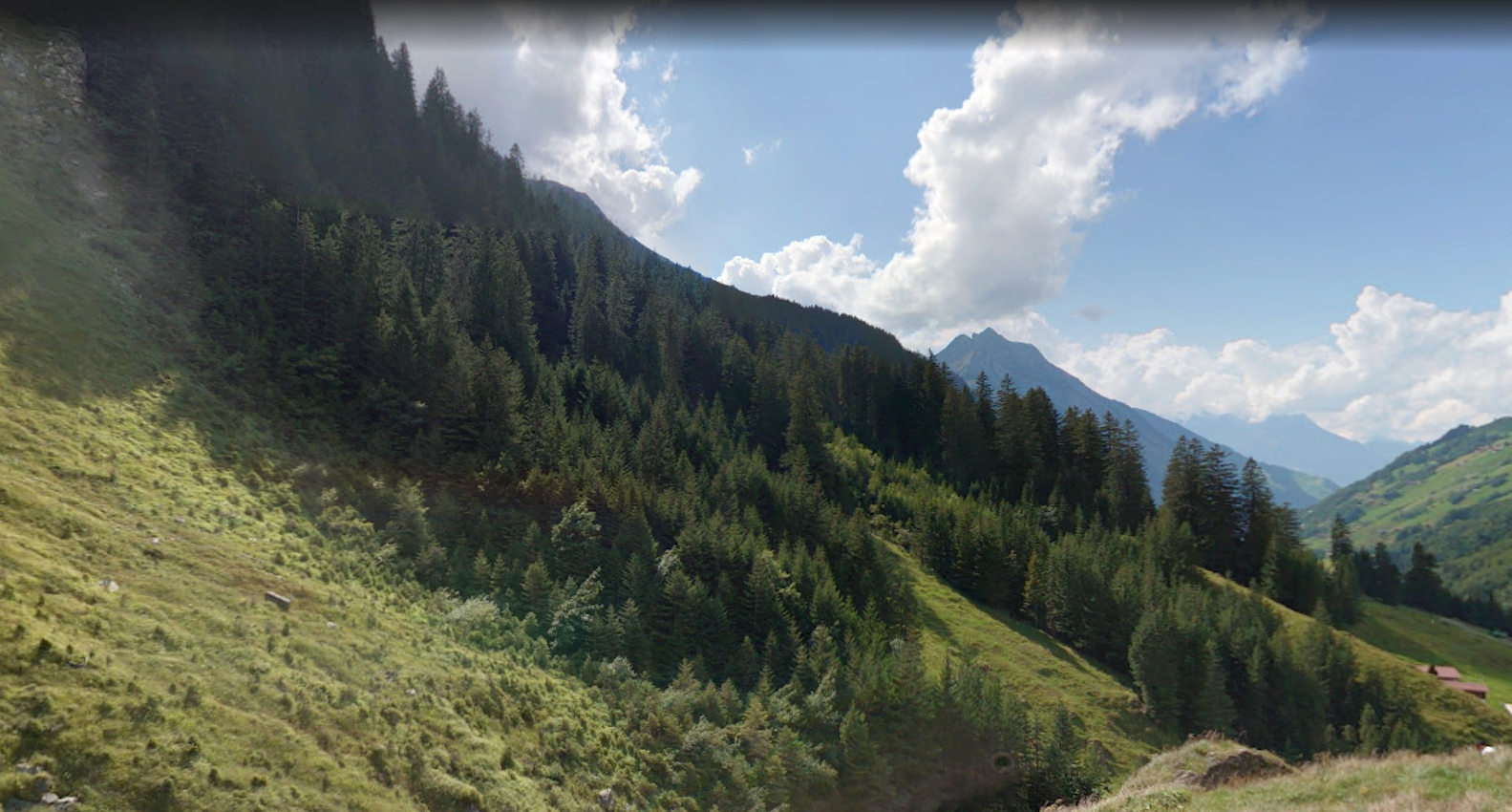
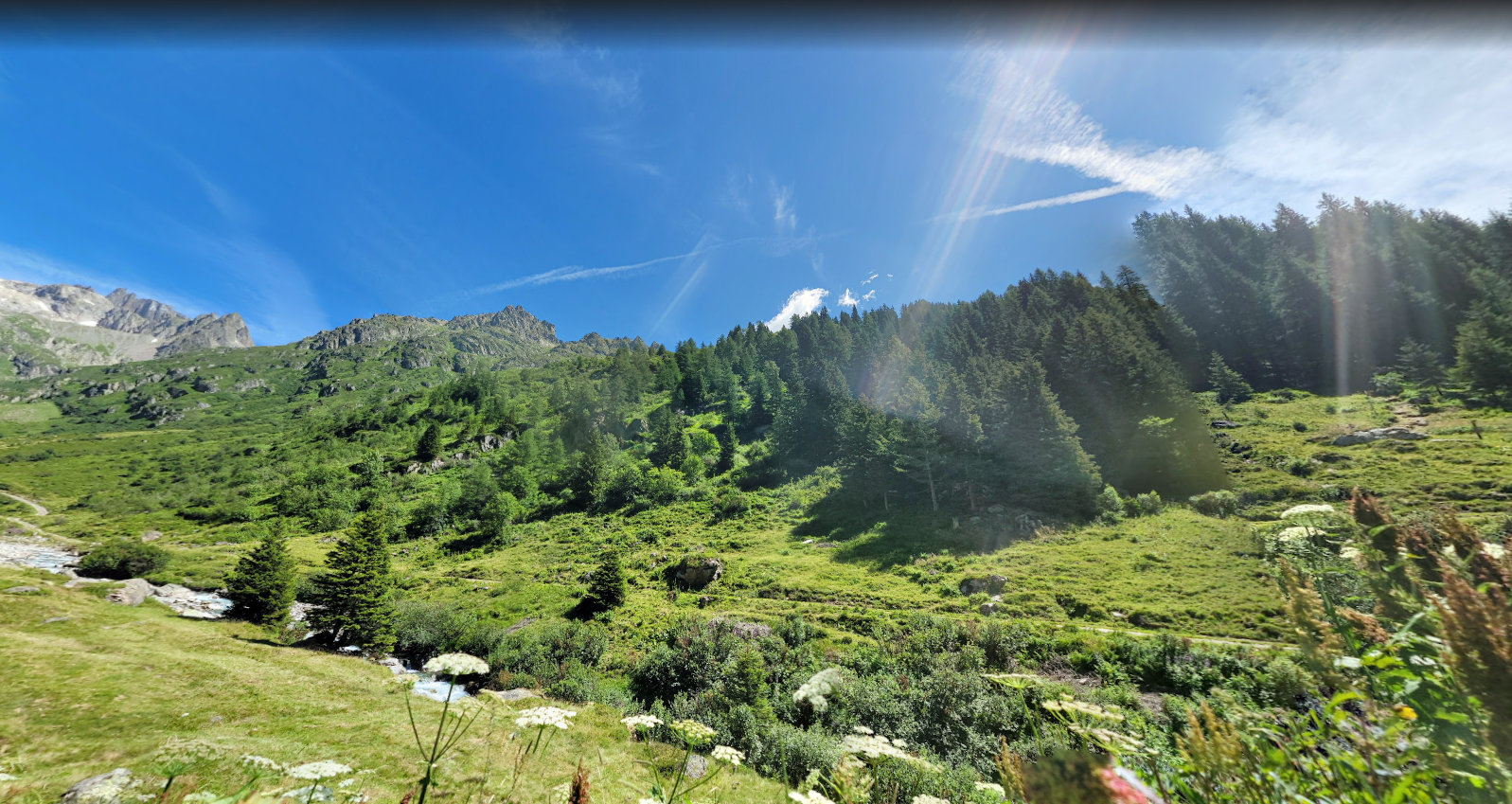
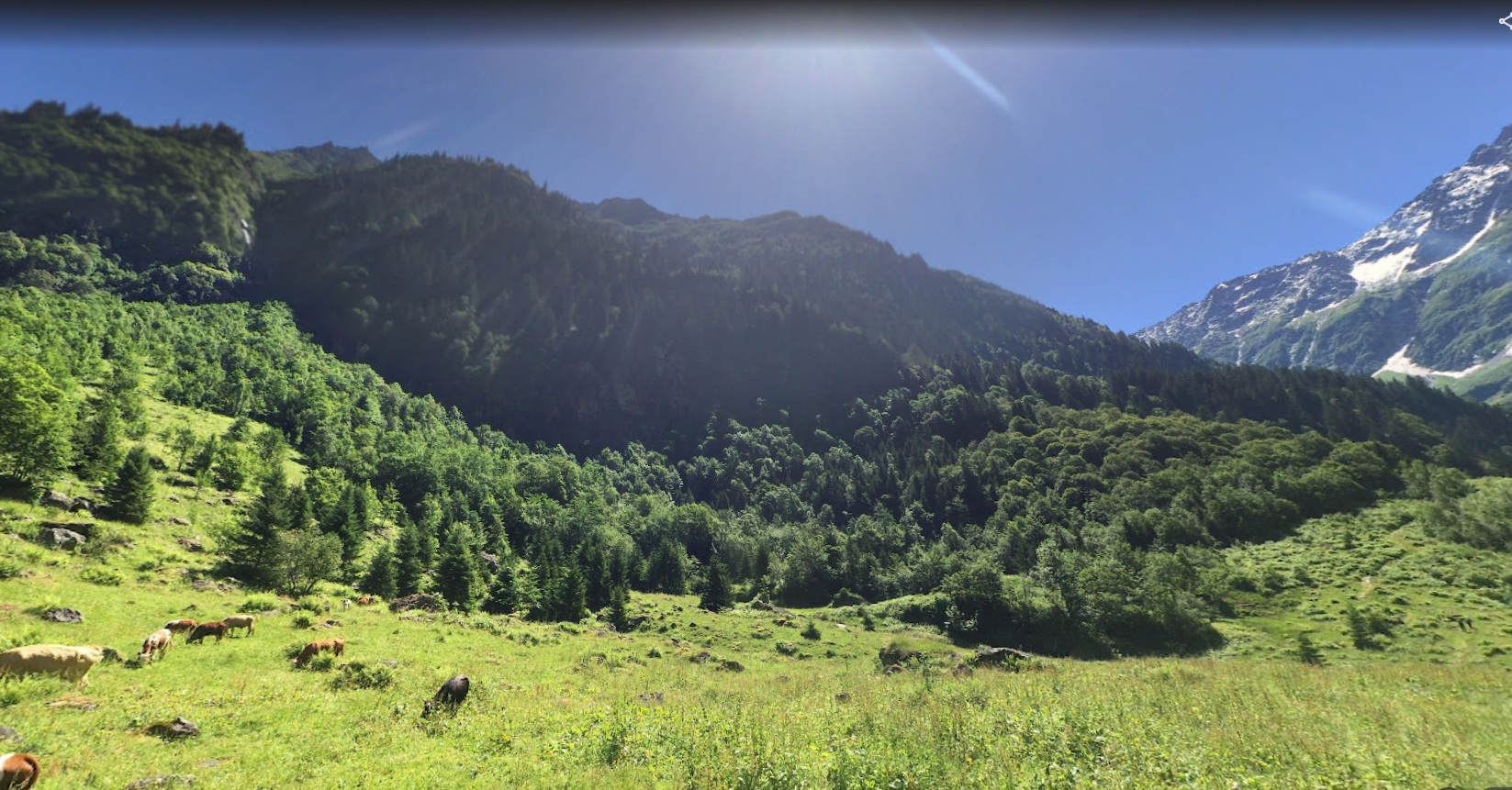
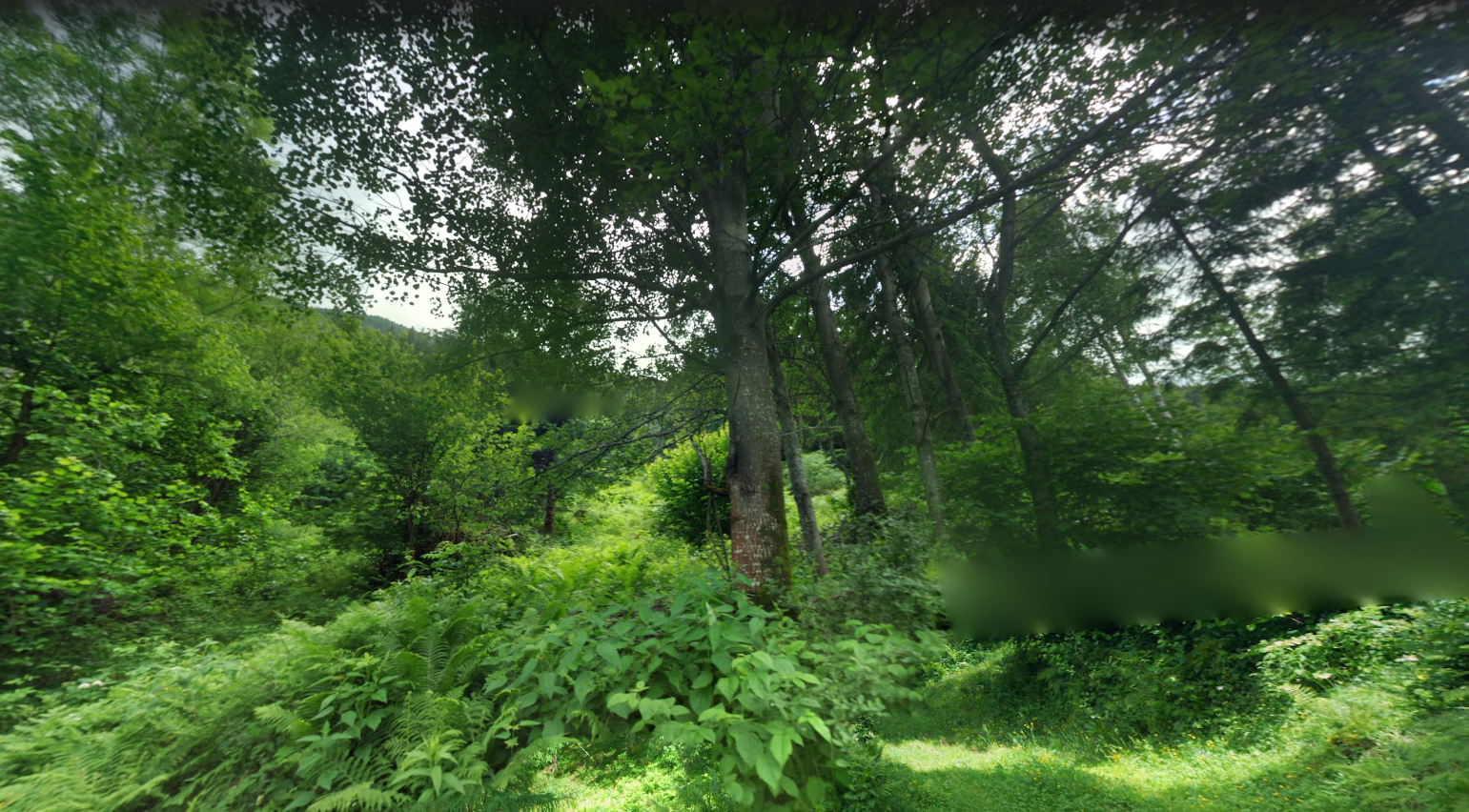
Homogyne alpina- and Adenostyles alliariae-spruce forests (Picea abies) in the Alps, partly alternating with Pinus mugo- and Alnus alnobetula-scrub
Description
Homogyne alpina- and Adenostyles alliariae-spruce forests (Picea abies) in the Alps, partly alternating with Pinus mugo- and Alnus alnobetula-scrub
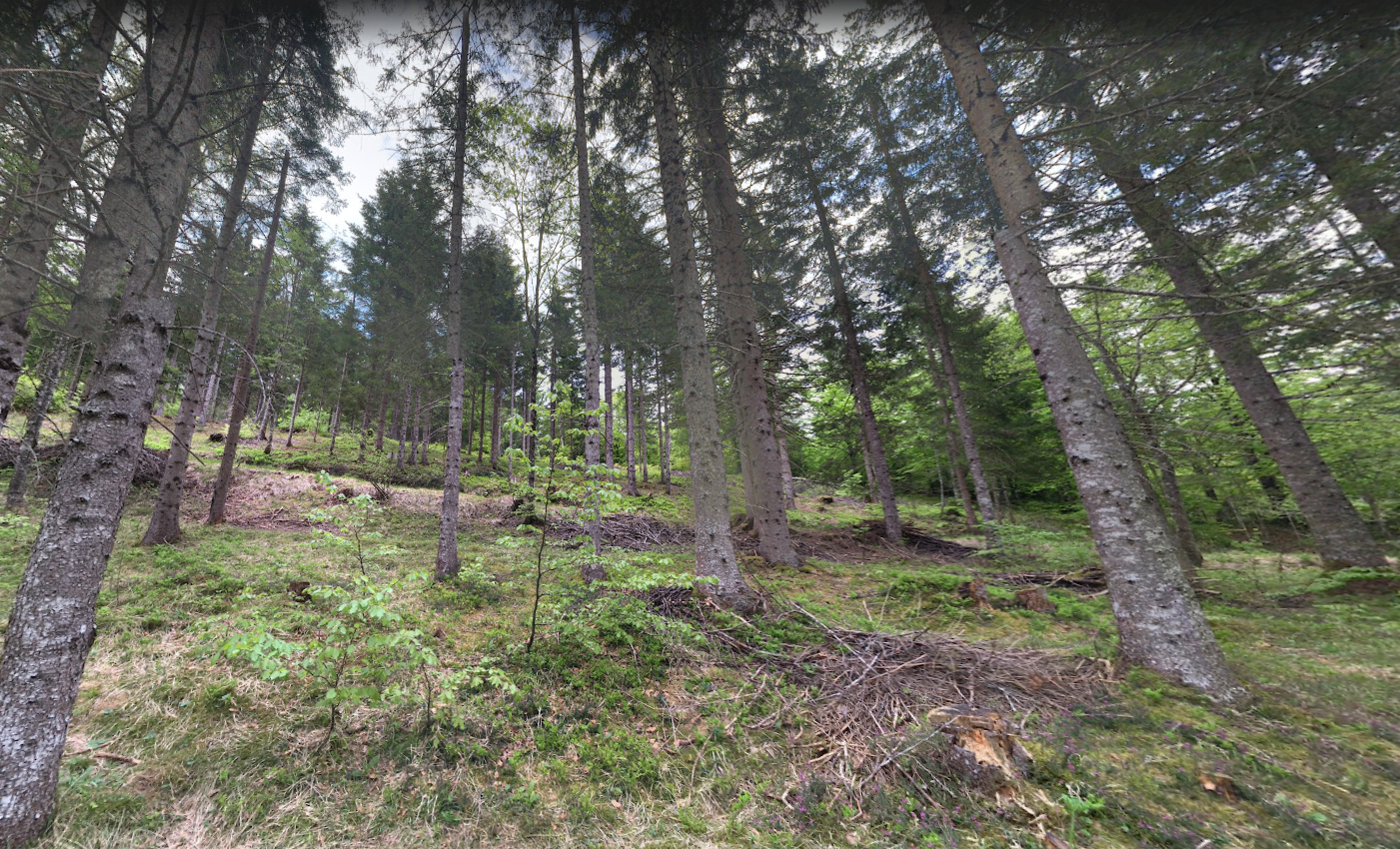
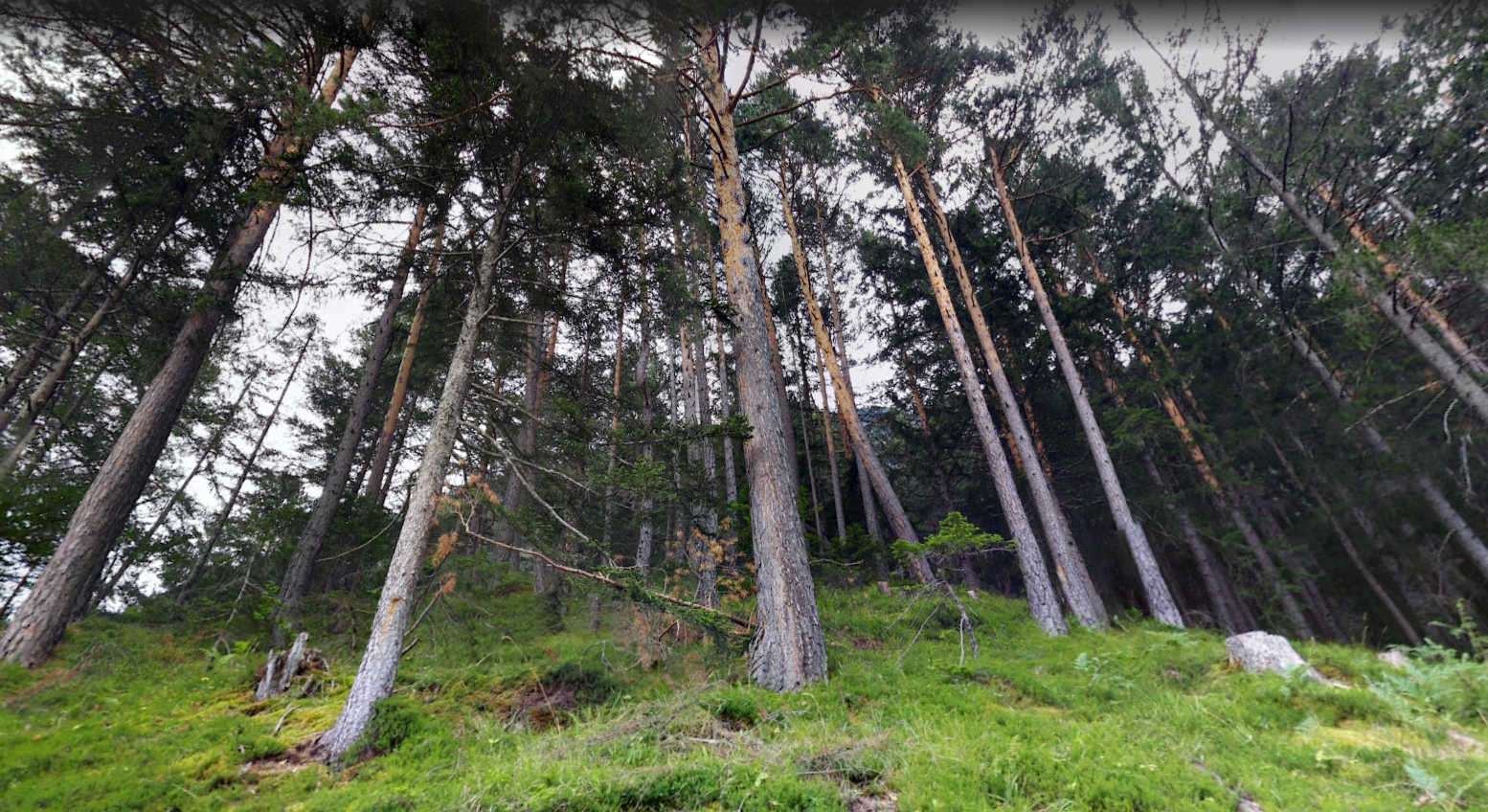
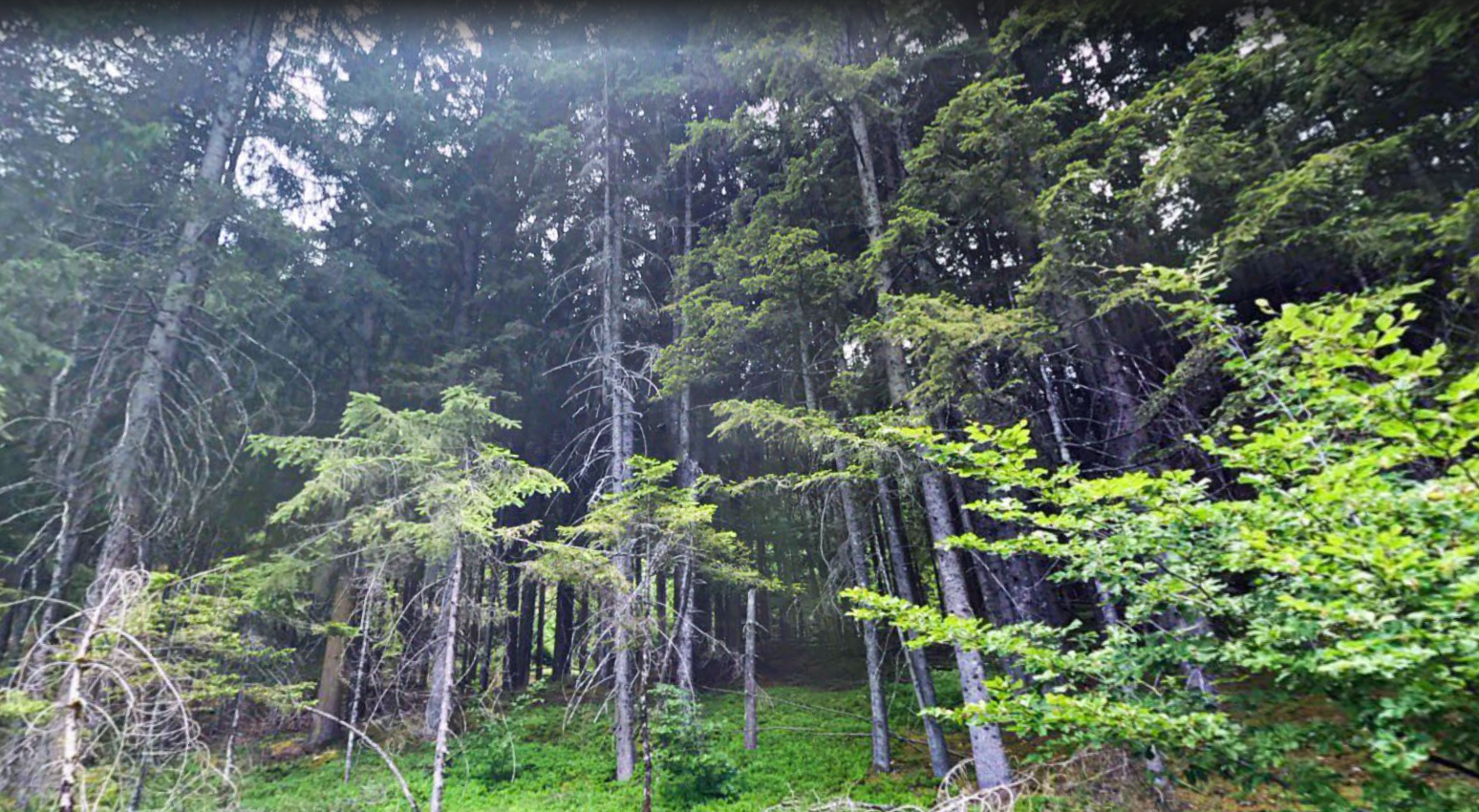
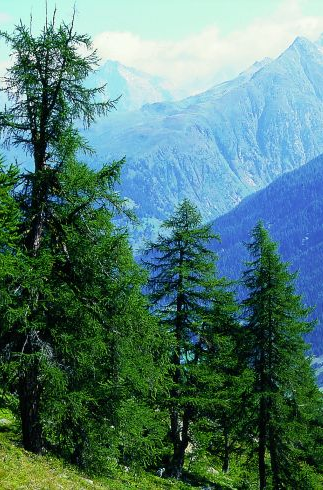
Pure spruce forests, which depending on location and stage of development may have admixtures of larch, and in the west may also have some spruce; often, particularly at greater altitudes, with a ”gang-like” structure (a dense group of trees with common eaves) without an appreciable shrub layer and usually with closed dwarf shrub, grass and herb layers and ample mosses.
Tree Layer
Picea abies (Norway Spruce), partly with Larix decidua (European Larch), Pinus cembra (on upward sites) (Swiss Pine)
Norway Spruce, partly with European Larch and Swiss Pine on upward sites
Shrub Layer
Sorbus aucuparia subsp. Glabrata (Rowan), Lonicera nigra (Fruiting Blackthorn Bush), on upward sites Pinus mugo (especially on lime) (Mountain Pine), Alnus alnobetula (on silicate) (Green Alder)
Spruce and Pine saplings
Lianas
missing, locally Clematis alpina
Herb Layer
Homogyne alpina (black_knapweed), Vaccinium myrtillus (bilberry_bush), Vaccinium vitis-idaea (lingonberry_bush), Calamagrostis villosa (greater_wood_rush), Deschampsia flexuosa (lush_grass), Lycopodium annotinum (wood_horsetail), Moneses uniflora, Luzula luzulina (common_meadow_grass), Luzula sylvatica (greater_wood_rush), Gymnocarpium dryopteris (fern_1), Blechnum spicant (fern_1, fern);
South-western slopes of the Misty Mountains, esp. in Dunland