D3
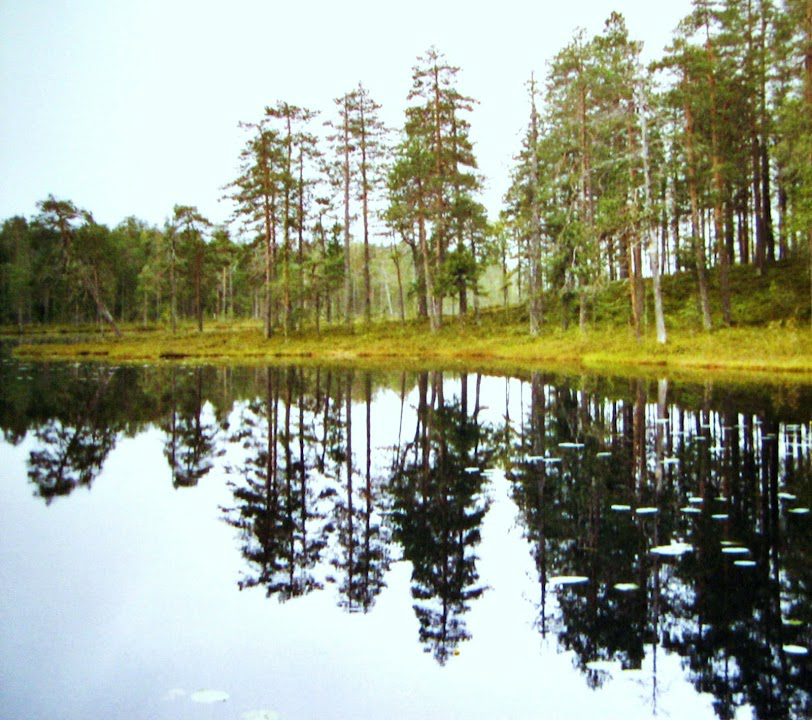
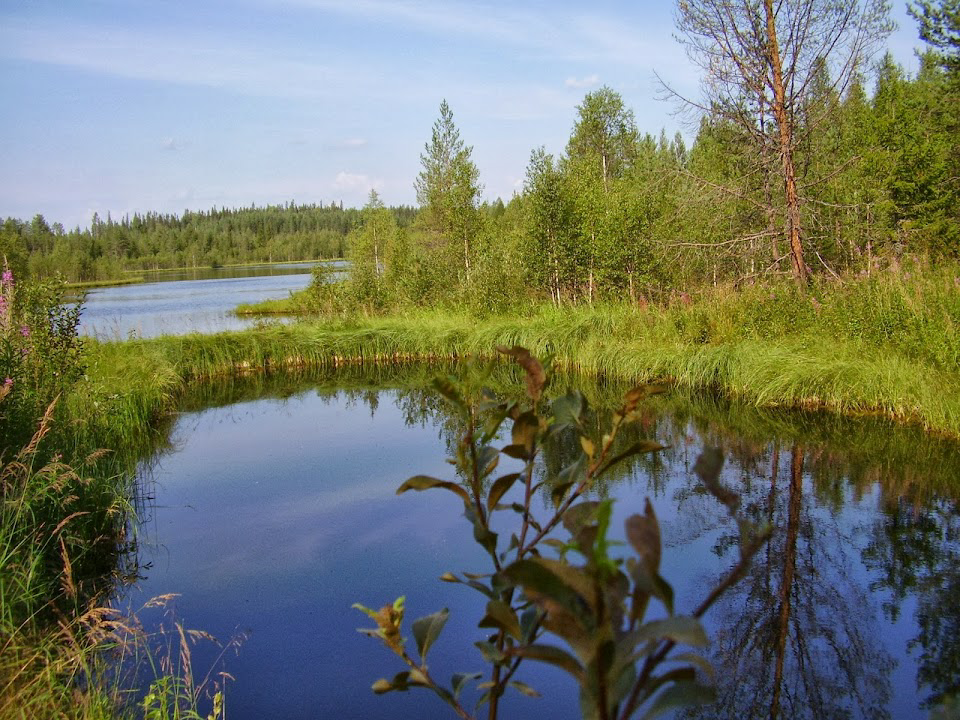
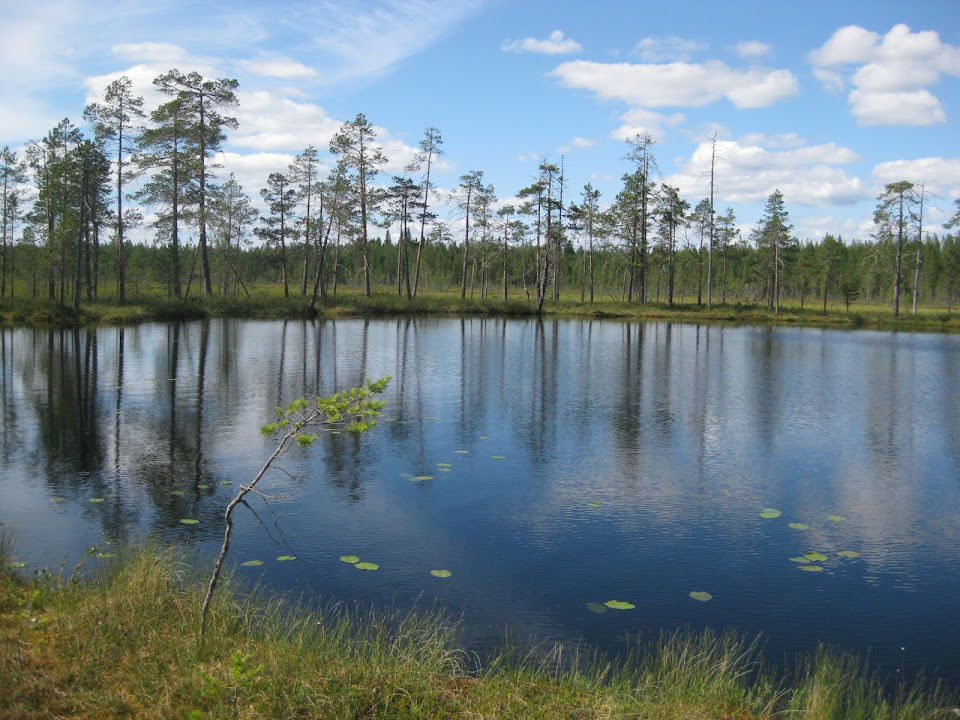
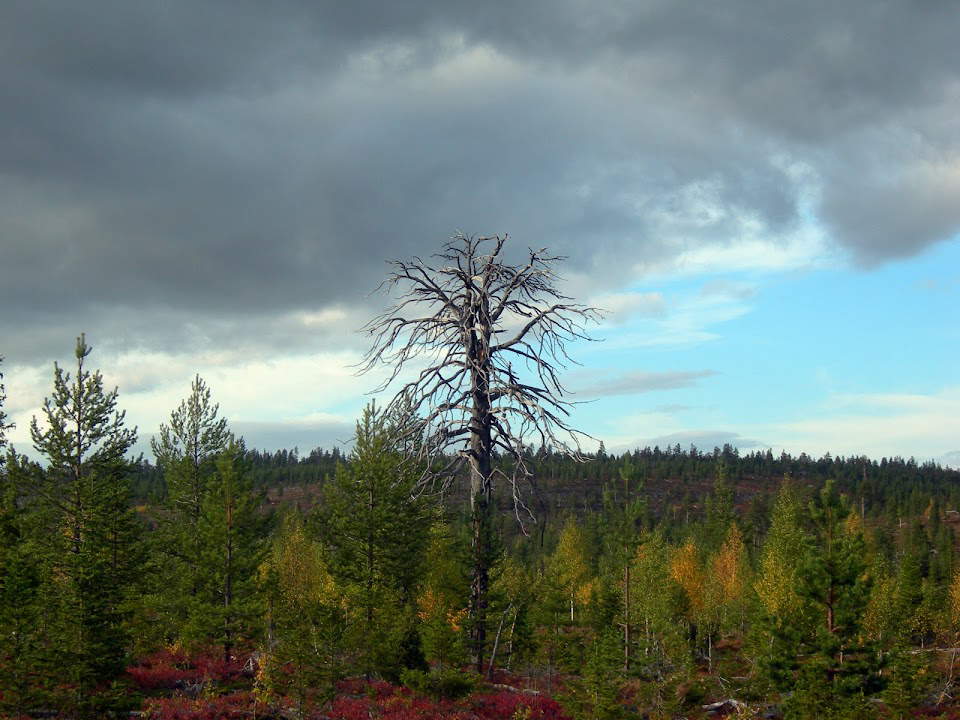
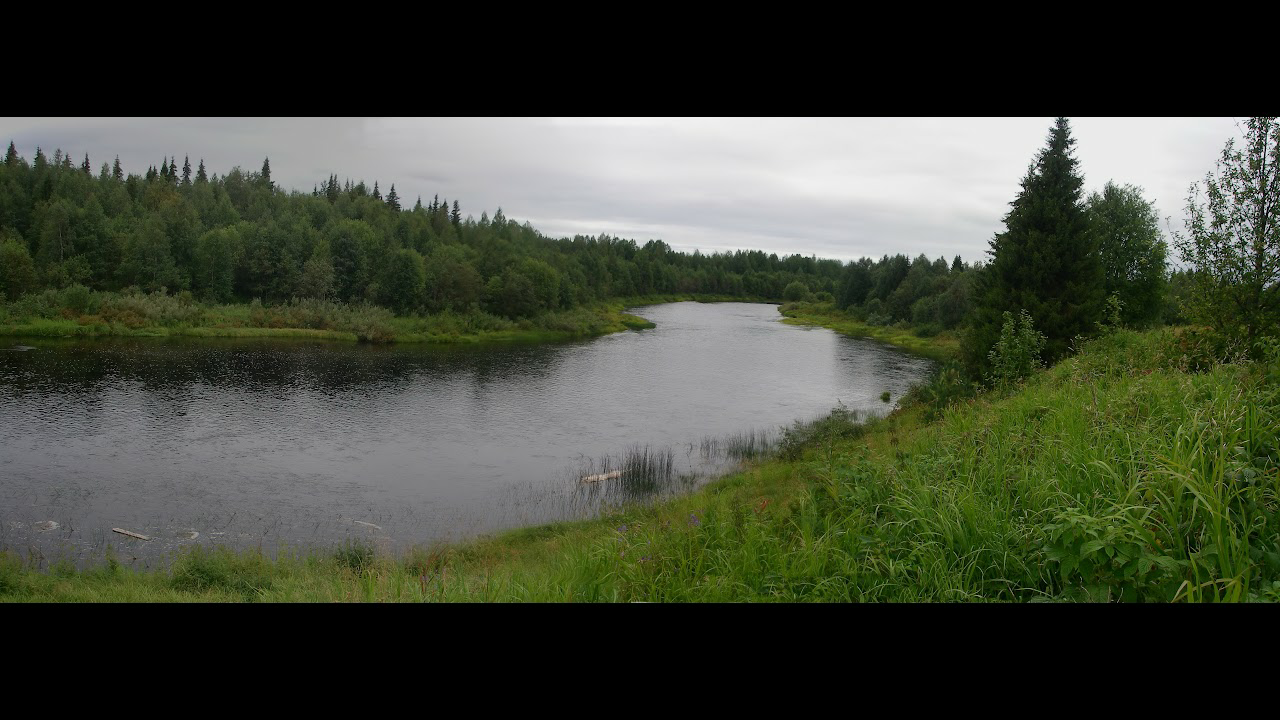
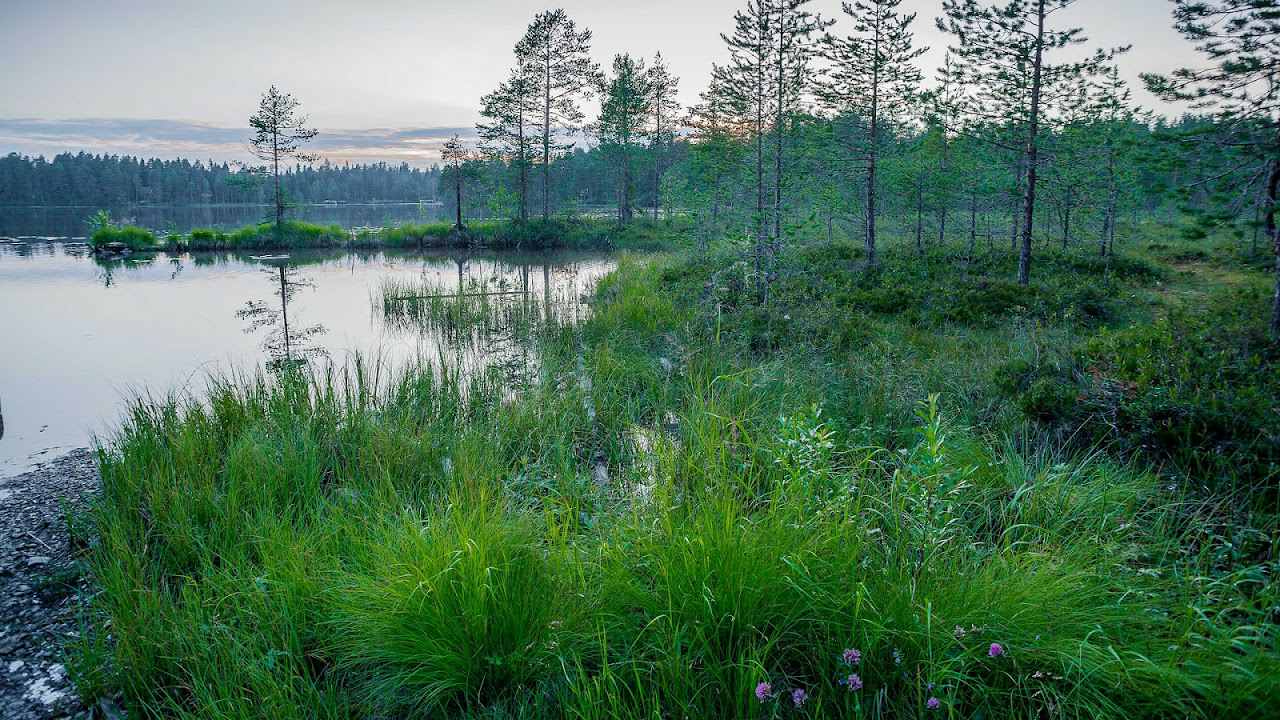
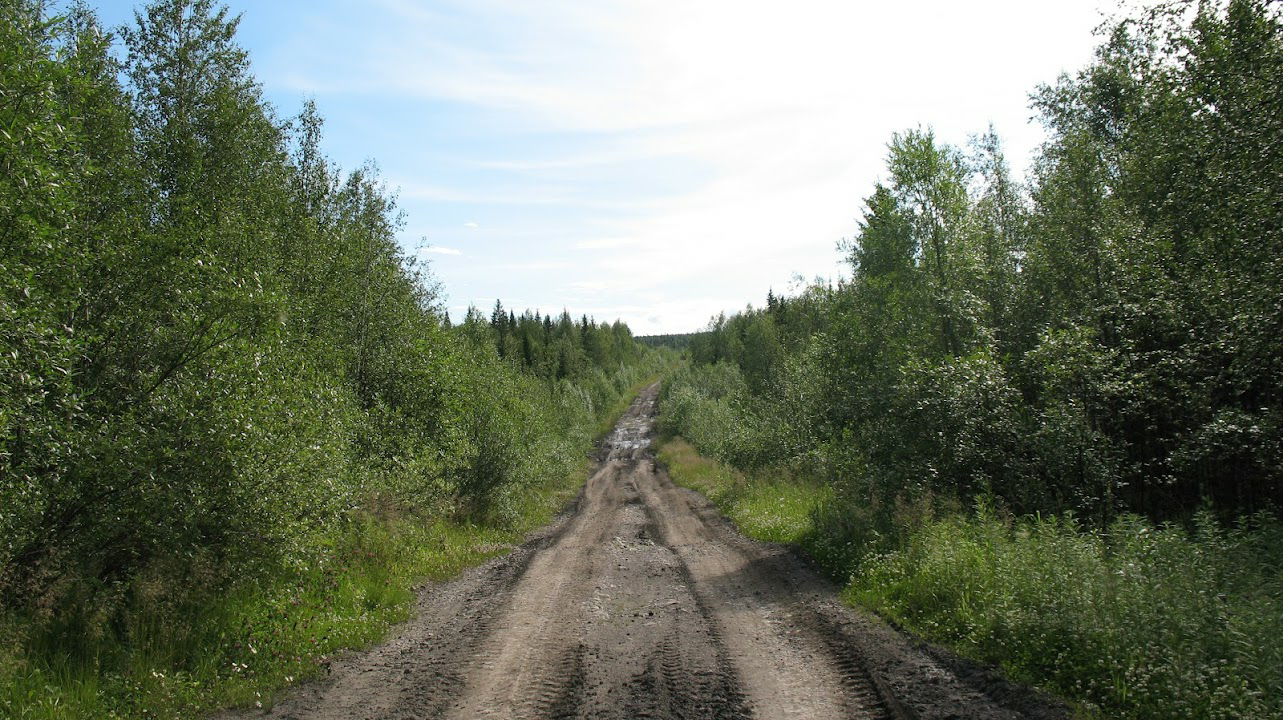
Northeast European open hygrophilous birch-spruce forests (Picea obovata, Betula pubescens, Betula pubescens subsp. czerepanovii) with dwarf shrubs, sedges and mosses (Ledum palustre, Carex globularis, Polytrichum commune, Sphagnum spp.)
Description
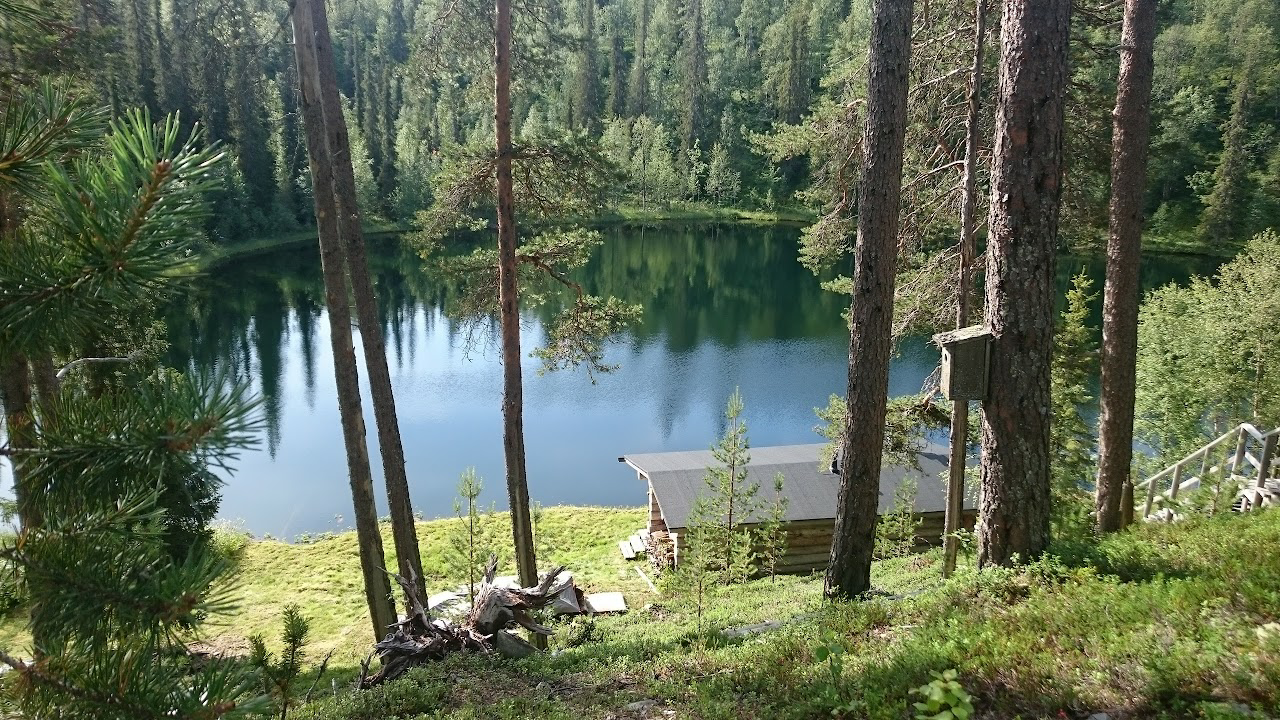
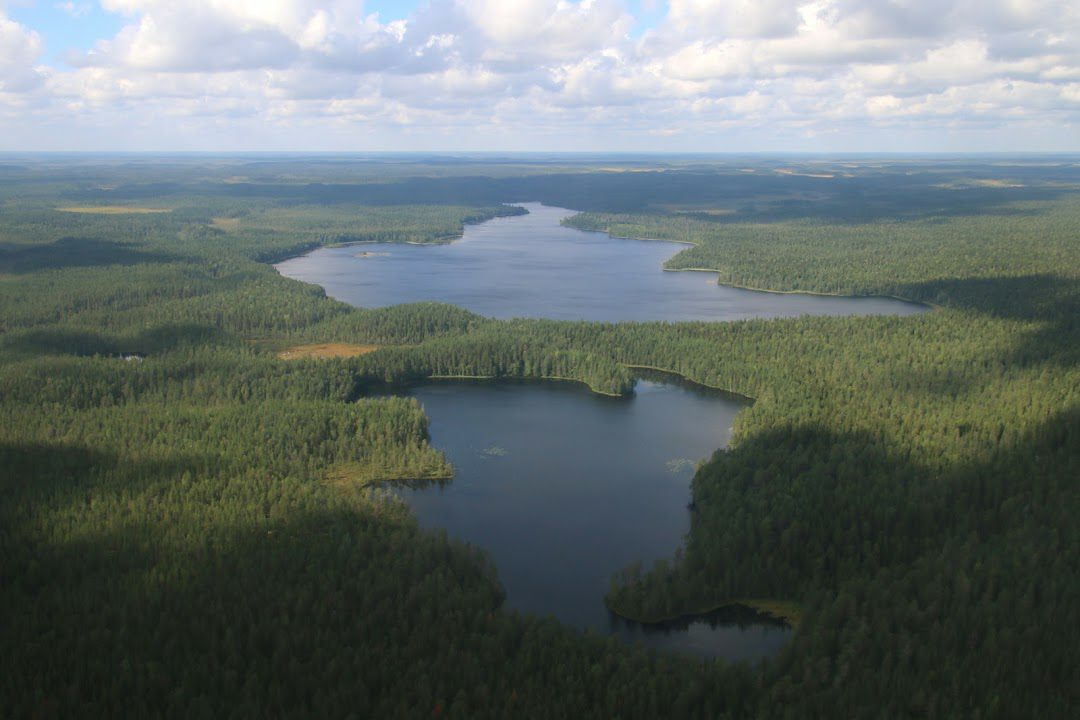
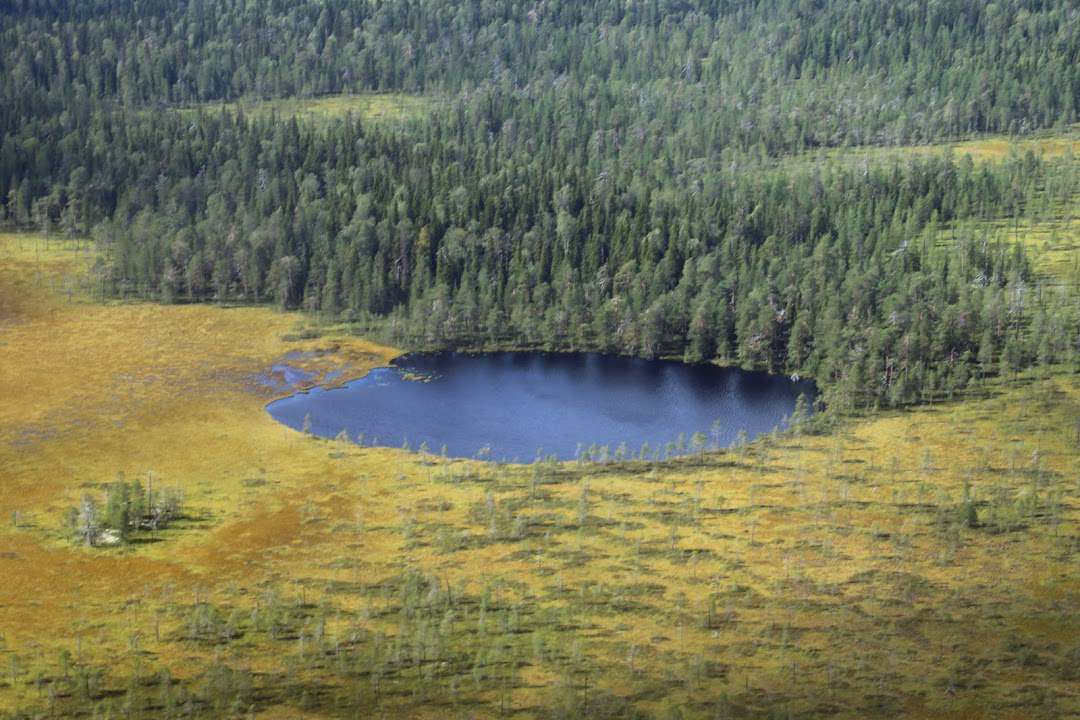
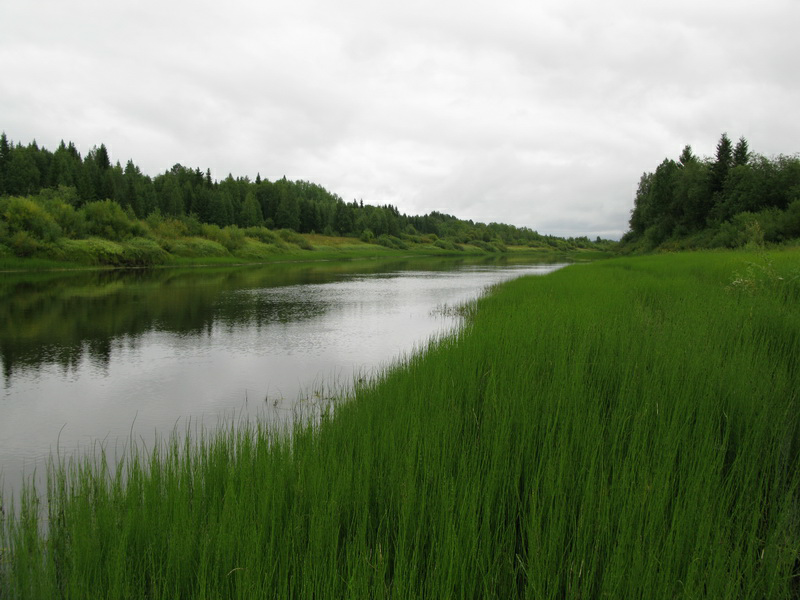
Due to the severe soil water-logging, moss and peat-moss spruce forests are widespread. These forest types are specific for the northern taiga. Canopy closure 30-40%, spruce stand quality is usually V.a. Tree layer with a high proportion of Betula pubescens (30-40%). On seeping water soils with better nutrient supply, horsetail-peat-moss spruce forests with dominant Equisetum sylvaticum and a high proportion of Rubus chamaemorus. Peat-moss spruce forests often with Carex globularis. Dwarf birch-peat-moss spruce forests with dominating Betula nana in the shrub layer.
Tree Layer
Picea obovata (Siberian Spruce), Betula pubescens (Downy Birch), Betula pubescens subsp. Czerepanovii (Downy Birch)
Siberian Spruce, Downy Birch
Shrub Layer
Betula nana (dwarf_birch), Salix lapponum (White Willow Bush), Salix phylicifolia (Black Poplar Bush)
Spruce, Pine and Alder saplings
Lianas
No details
Herb Layer
Vaccinium myrtillus (bilberry_bush), Vaccinium uliginosum (bog_blueberry_bush), Empetrum hermaphroditum (bilberry_bush), Ledum palustre (beautyberry_bush), Carex globularis (sedge), Rubus chamaemorus (wild_parsley), Cornus suecica (lingonberry_bush), Deschampsia flexuosa (lush_grass), Solidago virgaurea (goldenrod)
Forodwaith