D10
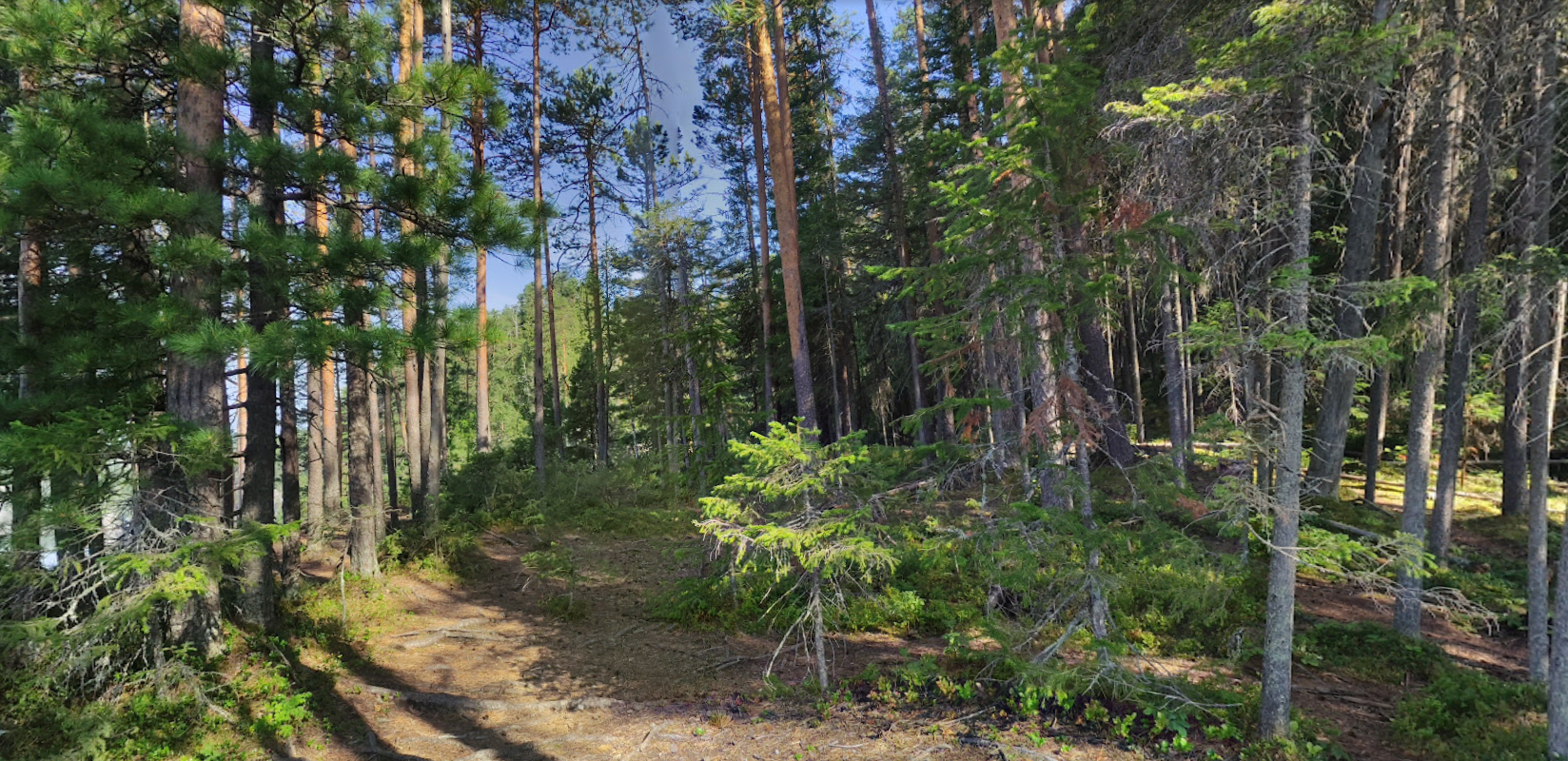
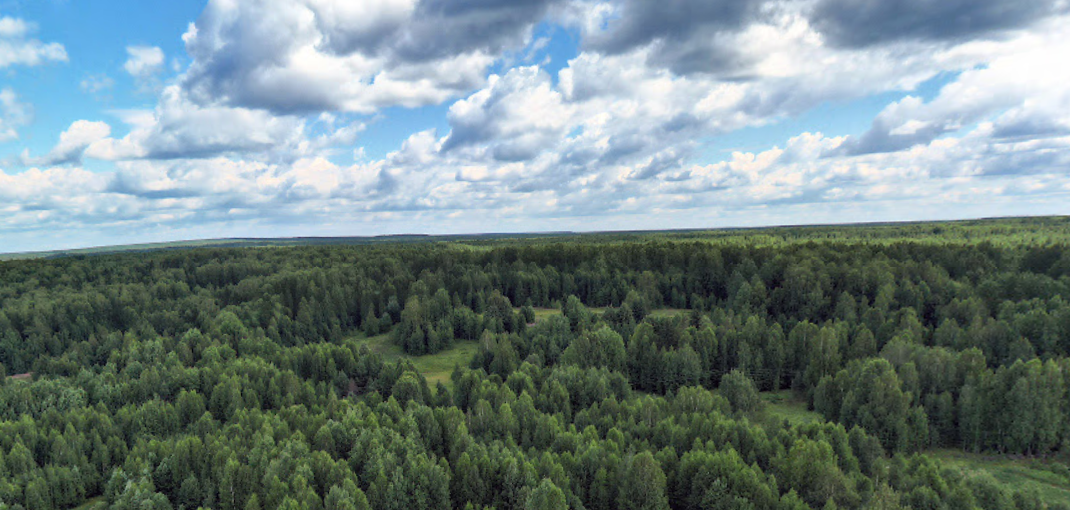
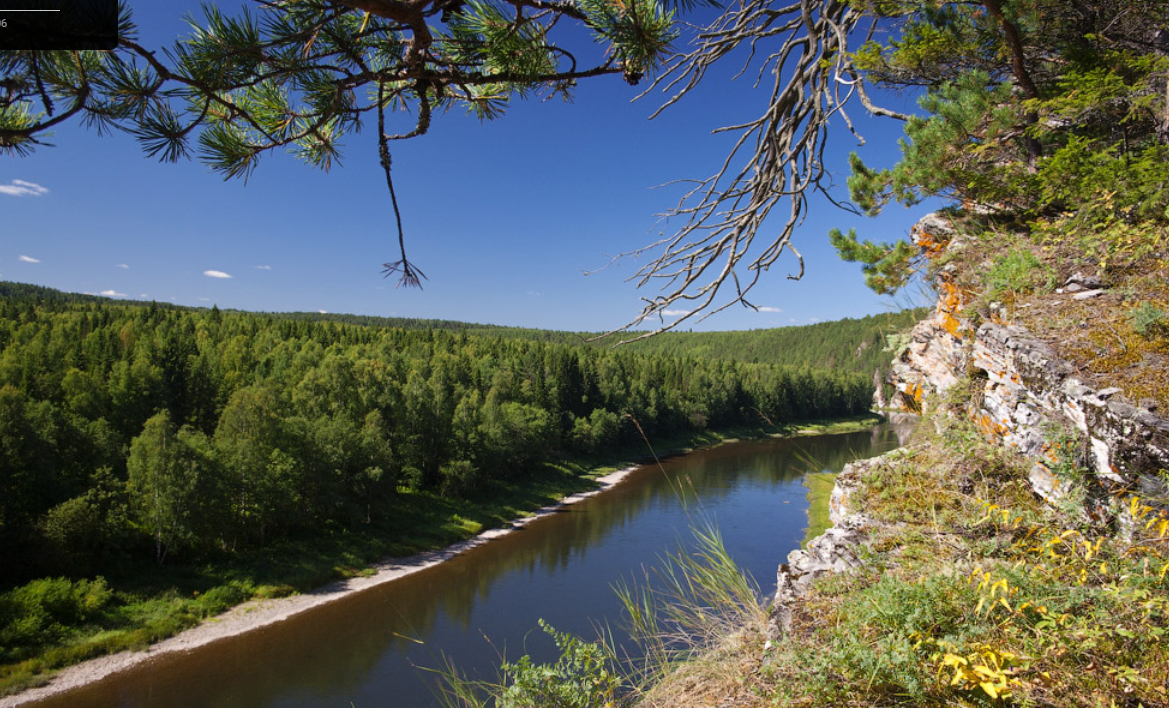
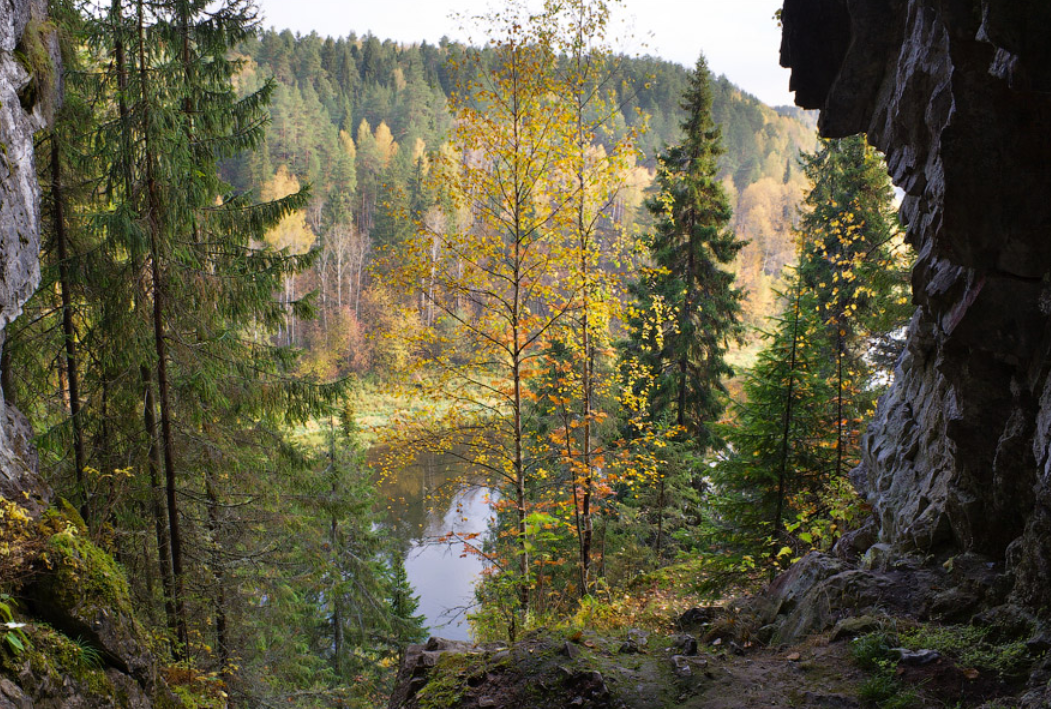
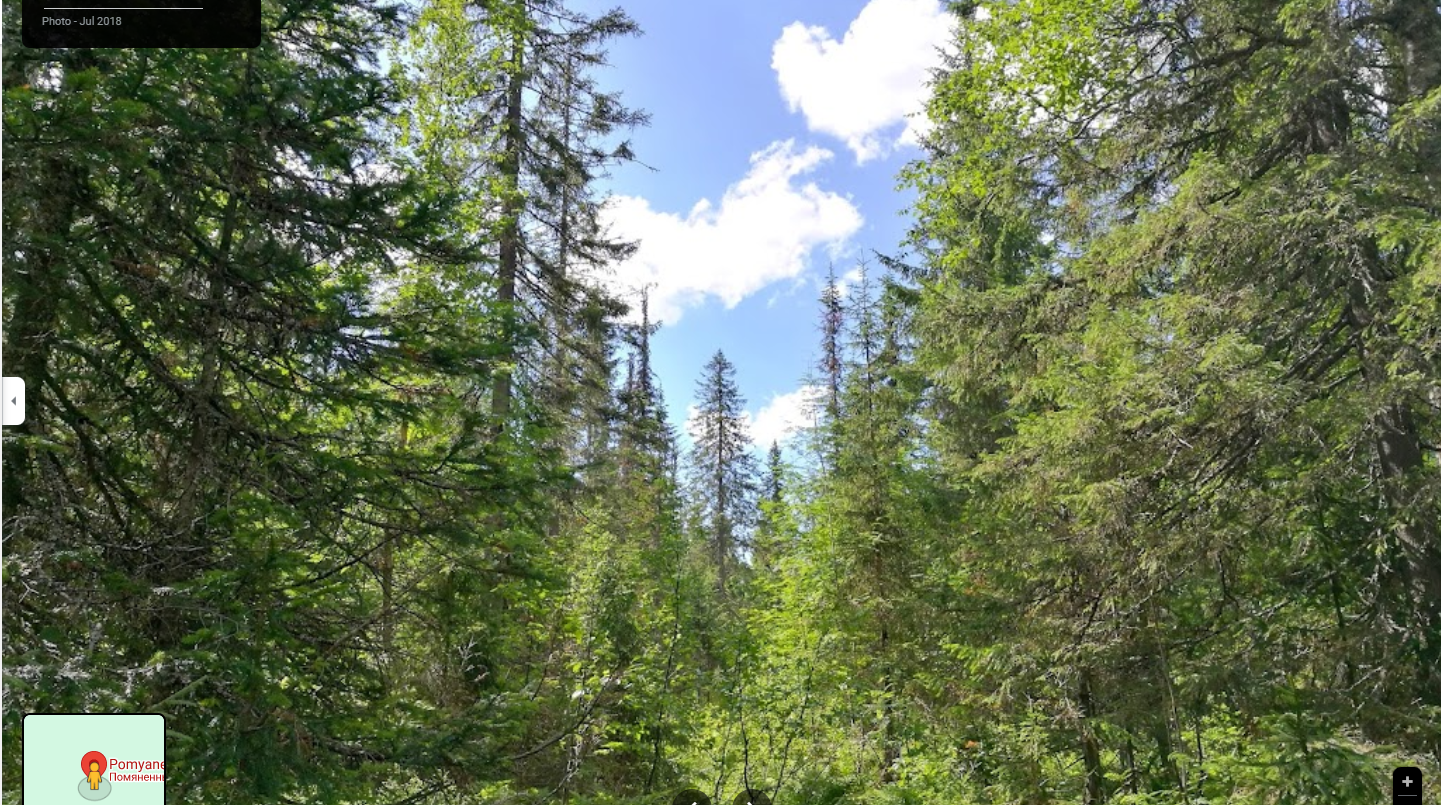
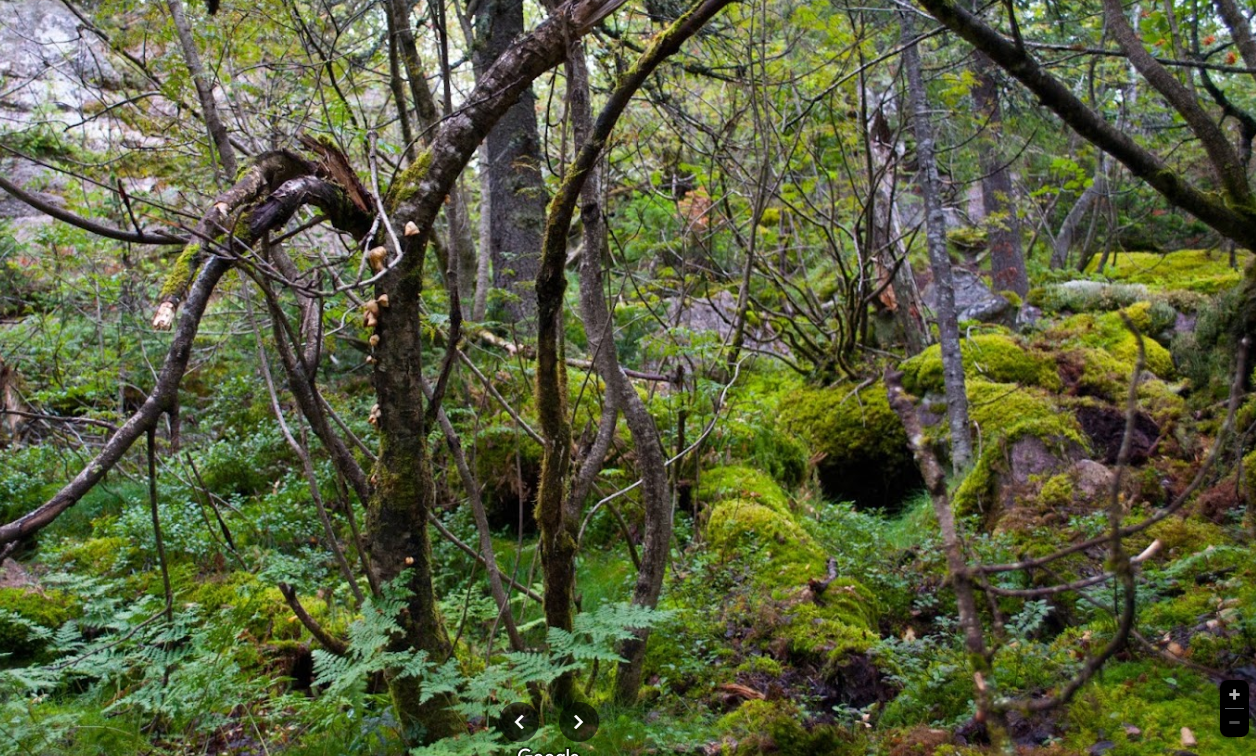
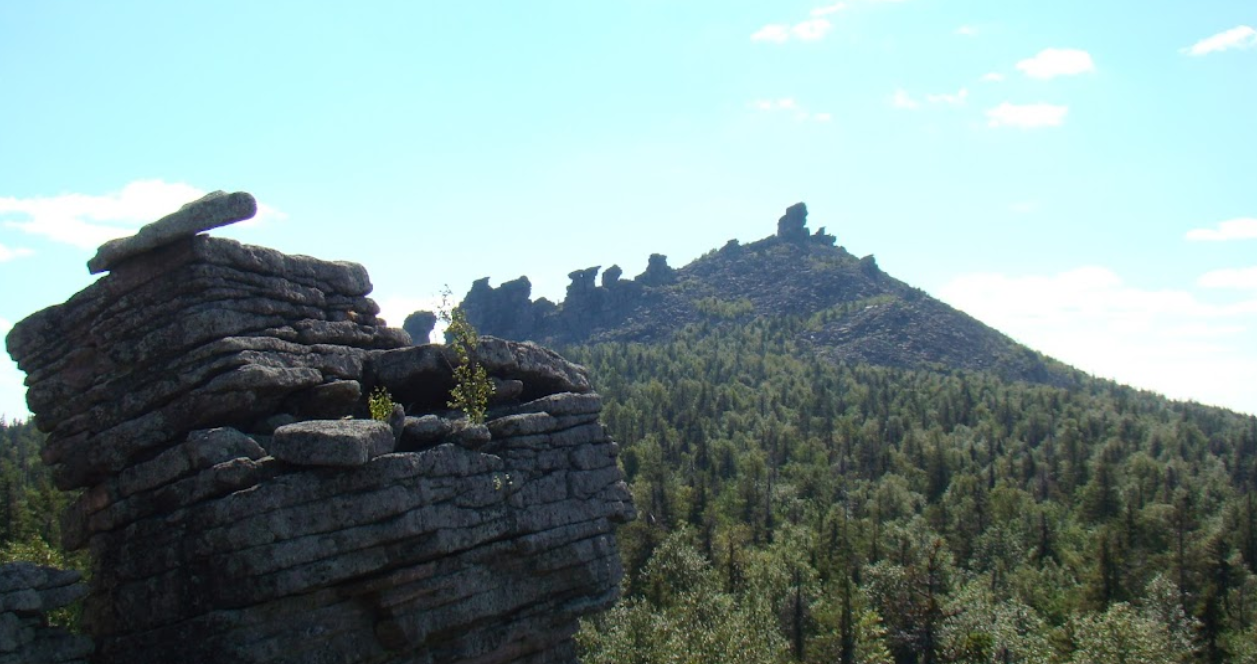
Pre-Ural fir-spruce forests (Picea obovata, Abies sibirica) with mosses, dwarf shrubs and ferns (Gymnocarpium dryopteris, Dryopteris dilatata)
Description
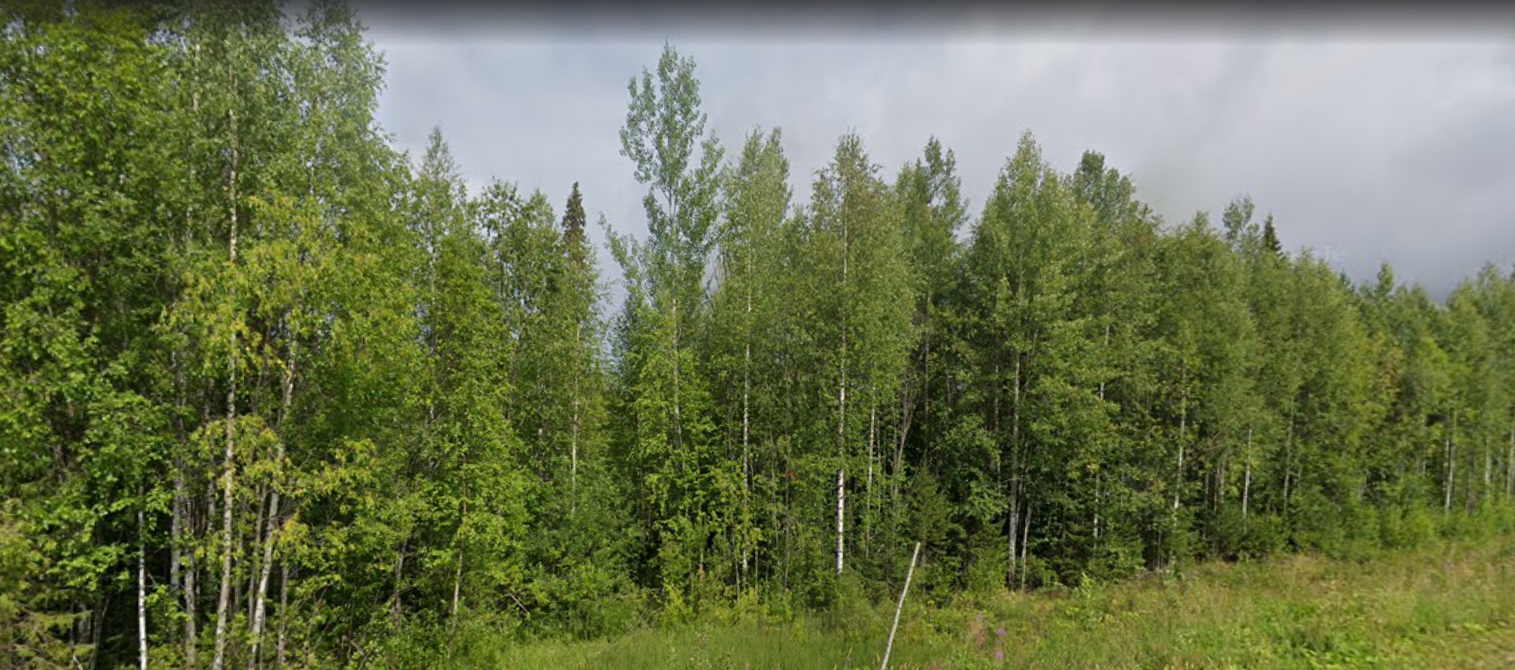
Four-layered forest stands with predominant Picea obovata, a substantial participation of Abies sibirica (up to 45 % of the wood biomass) and small admixtures of Betula pubescens in the tree layer. Canopy closure 60-90 % where trees aged 120-130 years are 20-24 m high. The shrub layer is open (10-40 % degree of coverage) and irregularly developed (particularly in clearings). The dwarf-shrub-rich herb layer is interspersed (50-80 % degree of coverage). The moss layer is well developed (60-80 % degree of coverage). From south to north both the tree height and the wood phytomass decrease. Forests with dominating Gymnocarpium dryopteris, Oxalis acetosella, Vaccinium myrtillus and Equisetum sylvaticum are the most widespread.
Tree Layer
Picea obovata (Siberian Spruce), Abies sibirica (Siberian Fir), admixed Betula pubescens (Downy Birch)
Siberian Spruce, Siberian Fir and admixed Downy Birch
Shrub Layer
Sorbus aucuparia subsp. Sibirica (Rowan), Rosa acicularis (Elm Bush), Rosa majalis (Elm Bush), Prunus padus (Wild Plum), Lonicera pallasii (Elm Bush), Juniperus communis (Juniper)
Alder, Spruce and Fir saplings
Lianas
No details
Herb Layer
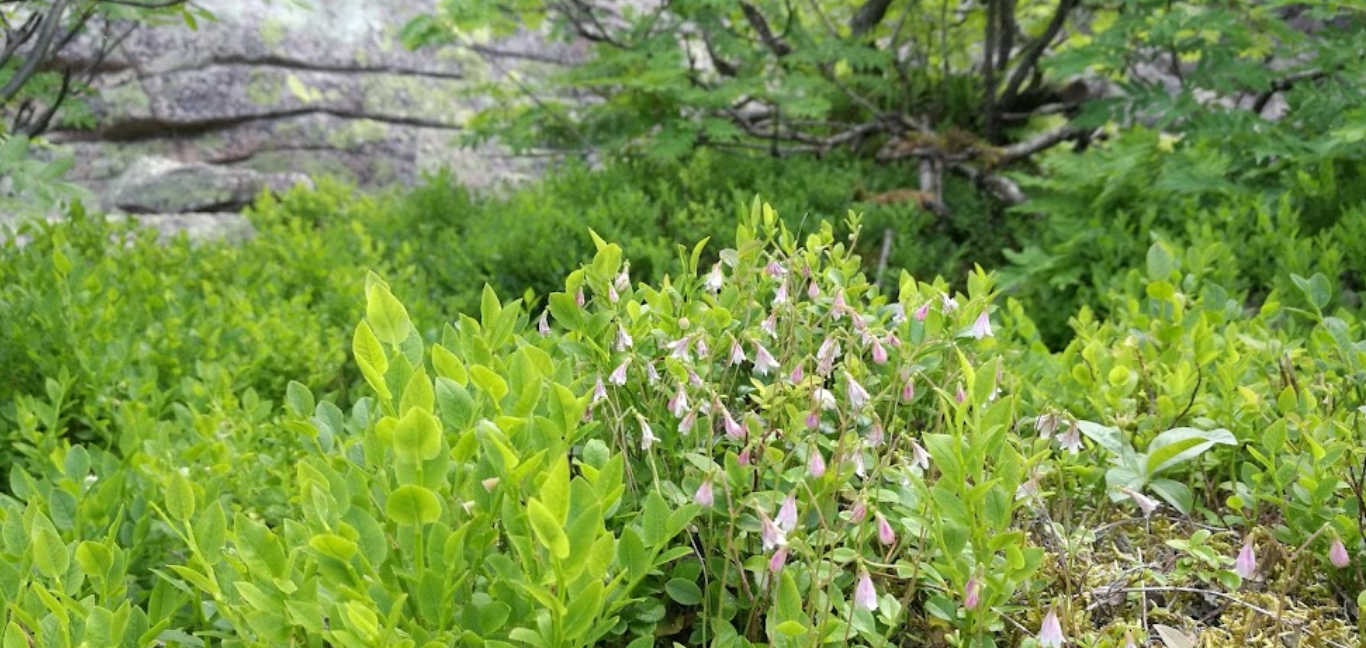
Vaccinium myrtillus (bilberry_bush), Vaccinium vitis-idaea (lingonberry_bush), Linnaea borealis (ABSENT), Gymnocarpium dryopteris (fern_1), Dryopteris dilatata (fern_1, bracken, fern), Oxalis acetosella (alpine_bearberry), Maianthemum bifolium (sweet_woodruff), Trientalis europaea (greater_wood_rush), Lycopodium annotinum (wood_horsetail), Lycopodium clavatum (dogs_mercury), Equisetum sylvaticum (wood_horsetail)
Forests east of the Iron Hills