D1
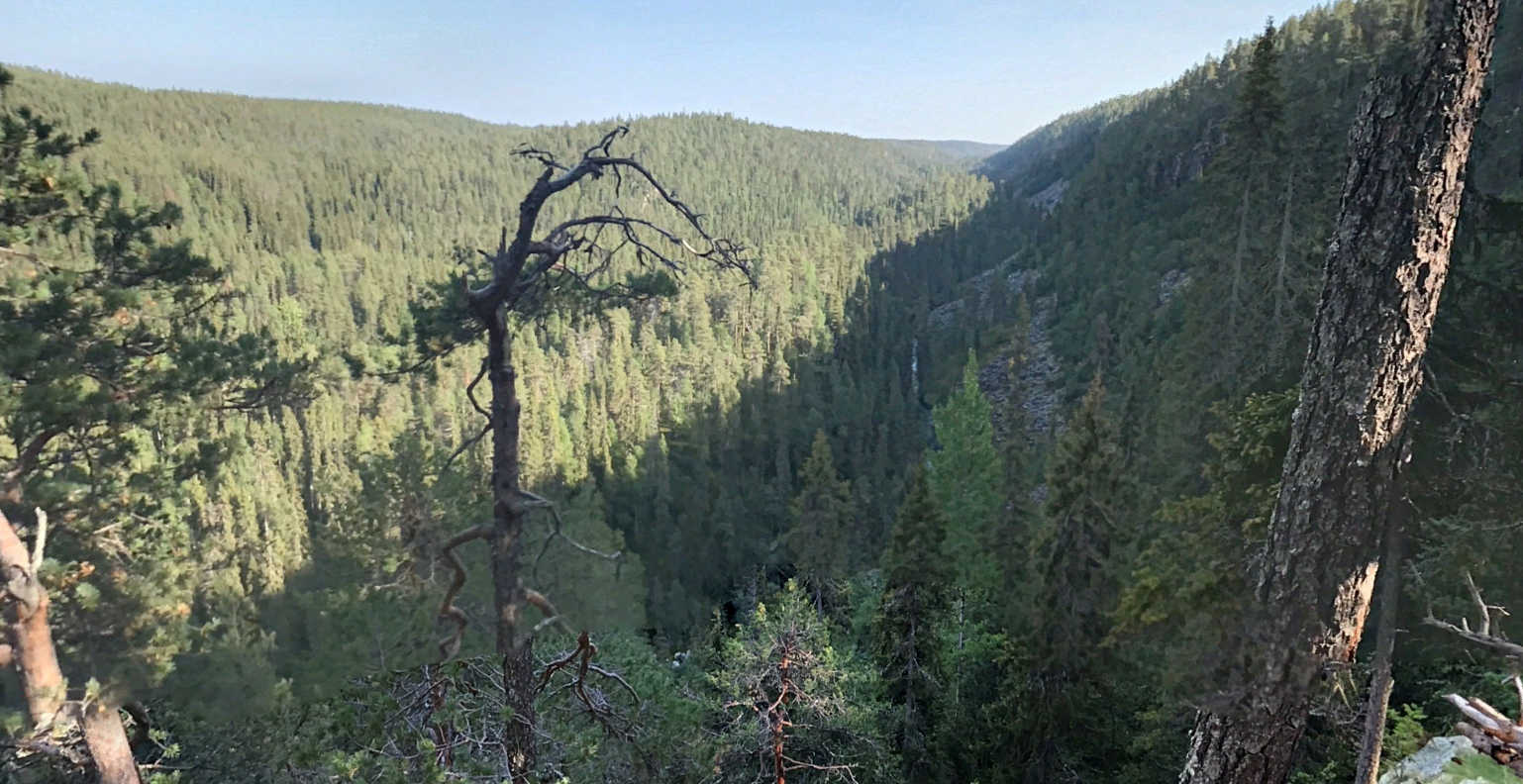
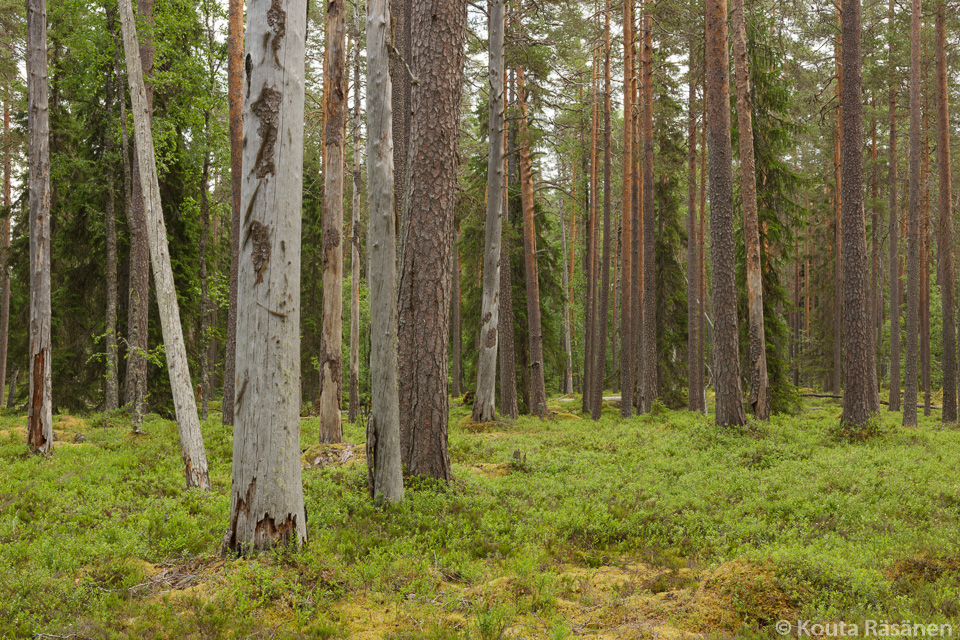
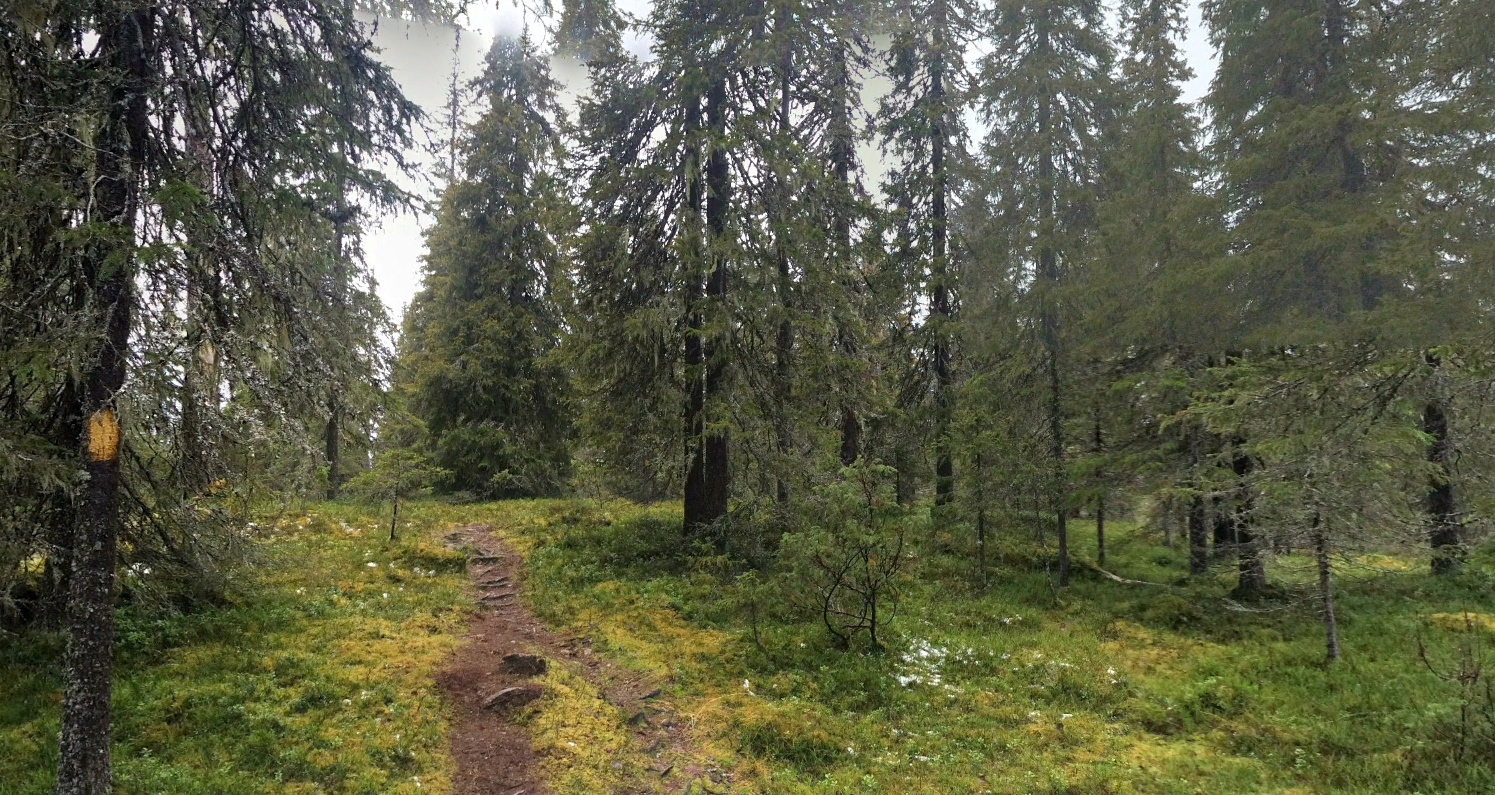
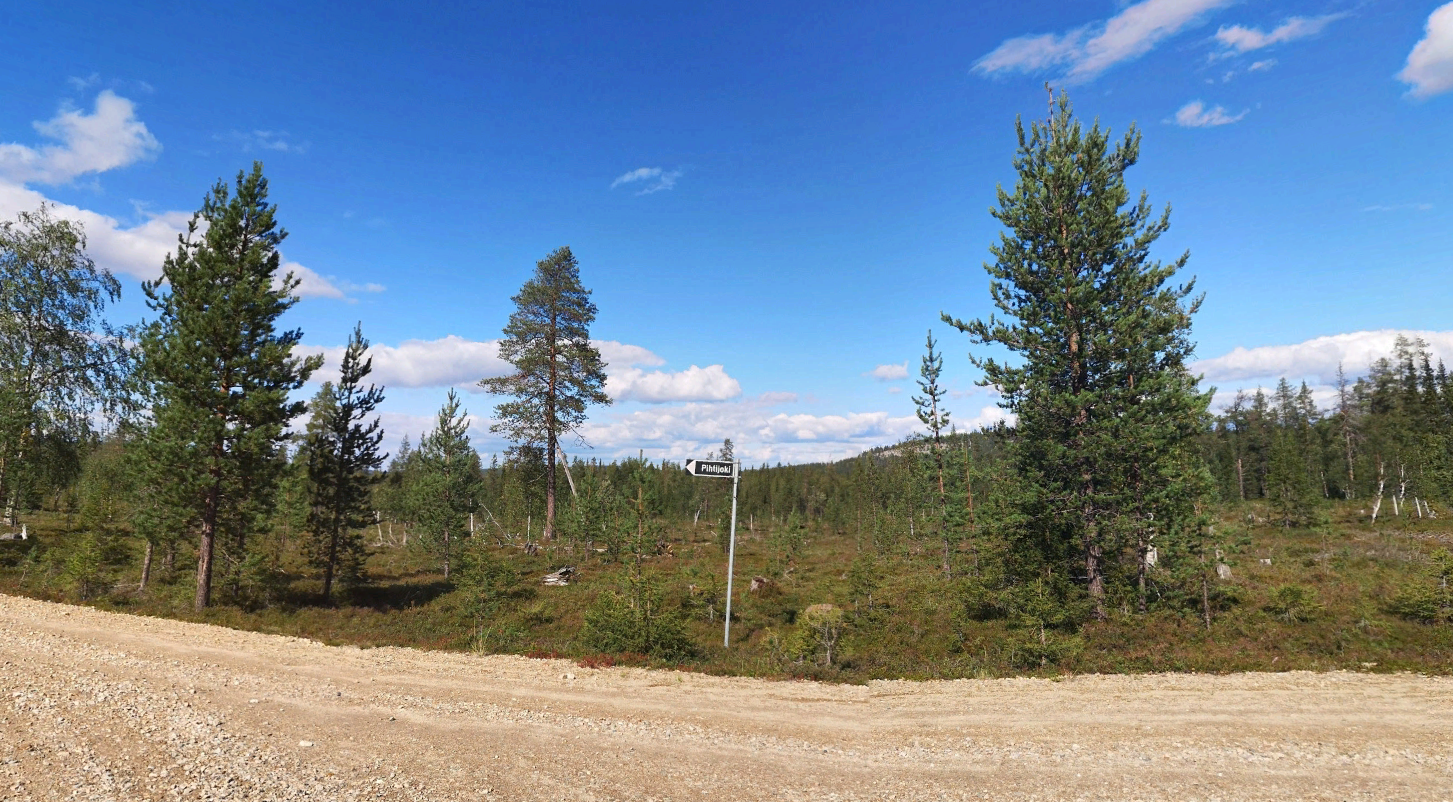
North European open moss-rich spruce forests (Picea abies, in the east Picea abies x Picea obovata, Picea obovata) with Pinus sylvestris, Betula pubescens, Betula pubescens subsp. czerepanovii, alternating with open pine and spruce forests on half-bog soils and with aapa mires
Description
North European open moss-rich spruce forests (Picea abies, in the east Picea abies x Picea obovata, Picea obovata) with Pinus sylvestris, Betula pubescens, Betula pubescens subsp. czerepanovii, alternating with open pine and spruce forests on half-bog soils and with aapa mires
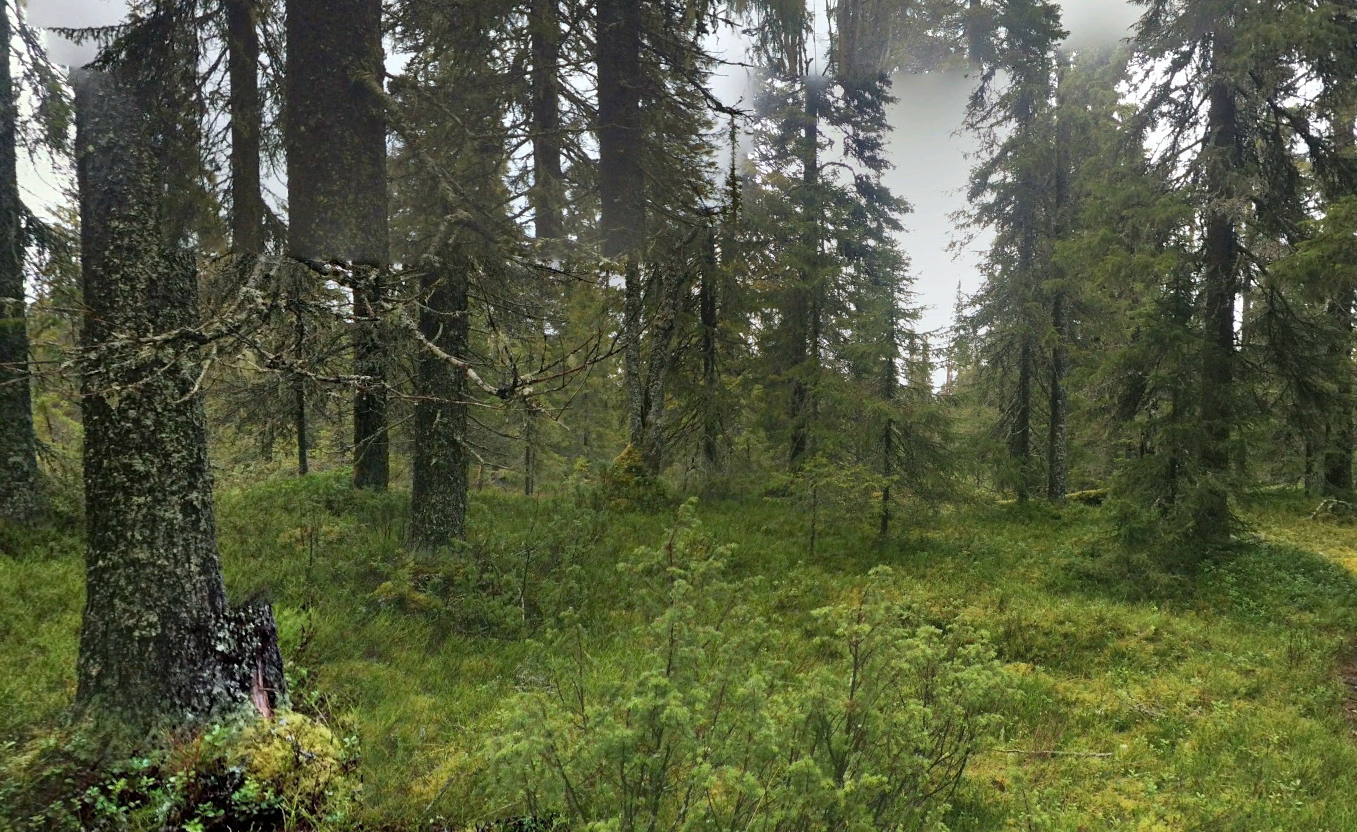
Norway: Typical for the spruce stands of the Eu-Piceetum is the columnar, deeply branched growth and the individual character of the trees. The stands often have a selectively logged construction. The two subassociations colonise different sites: the myrtilletosum (a) is distributed on base-deficient morainal soils, influenced little by water, the dryopteridetosum (b) is typical for richer and/or seeping moist soils of the mountains. The Chamaemoro-Piceetum occurs at the margins of raised bogs and in wet basins. The trees are often acinacifolious and branched all the way down to the ground. Spruce forests and swamp forest species prevail in the soil vegetation. An uneven soil surface is typical, where dwarf shrubs and mosses grow in hummocks while in the hollows peat-mosses and swamp forest species settle; Sweden: open forests with dominant Picea abies and sometimes Pinus sylvestris in the tree layer, and scattered Betula pubescens, often Betula pubescens subsp. czerepanovii. Dwarf shrubs and mosses prevail of which moisture loving species predominate. Russia: In this mapping unit moss and lichen-moss-rich spruce forests (cf. D2) at hilltops and slopes of lower elevations alternate with wet spruce forests (cf. D3) in basins and hollows. In small areas, mires, swamp forests (Picea obovata, Betula pubescens) and peat-moss pine forests (cf. D43) occur at the edges of the mires.
Tree Layer
Picea abies (Norway Spruce), Picea obovata (Siberian Spruce), Betula pubescens (Downy Birch), Betula pubescens subsp. Czerepanovii (Downy Birch), rarely Pinus sylvestris (Scots Pine)
Norway Spruce, Siberian Spruce, Downy Birch, rarely Scots Pine
Shrub Layer
Salix caprea (Goat Willow), Sorbus aucuparia (Rowan), Juniperus communis (Juniper), Rubus idaeus (Fruiting Bramble), Betula nana (autumnal_dwarf_birch);Alder, Spruce and Pine saplings
Lianas
No details
Herb Layer
Vaccinium myrtillus (bilberry_bush), Vaccinium vitis-idaea (lingonberry_bush), Trientalis europaea (greater_wood_rush), Maianthemum bifolium (sweet_woodruff), Lycopodium annotinum (wood_horsetail), Orthilia secunda (wild_parsley), Listera cordata (ABSENT), Cornus suecica (lingonberry_bush), Deschampsia flexuosa (lush_grass), Linnaea borealis (ABSENT), Luzula pilosa (greater_wood_rush), Empetrum nigrum (broom_bush [age=2]), Empetrum hermaphroditum (bilberry_bush), Melampyrum pratense (common_cow_wheat);
Forests in Forodwaith
.png)