C6
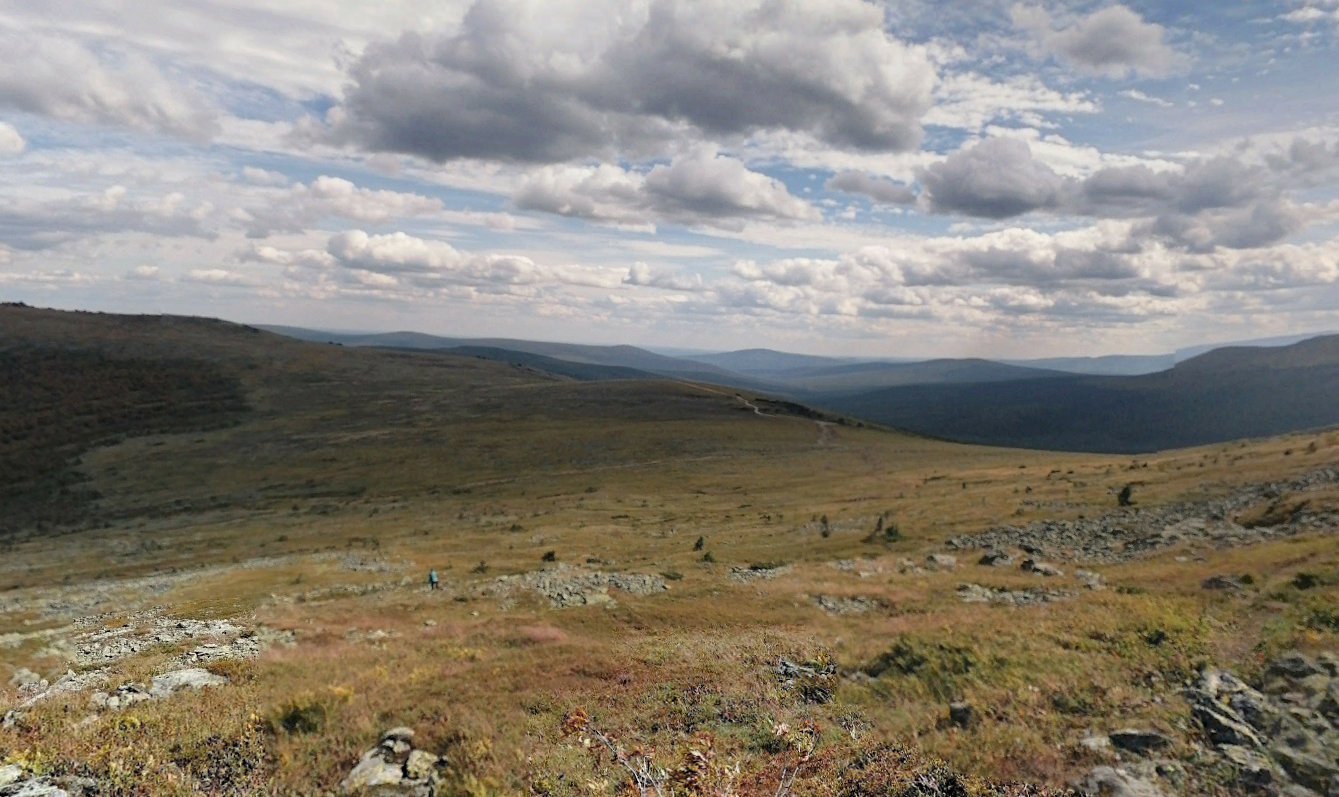
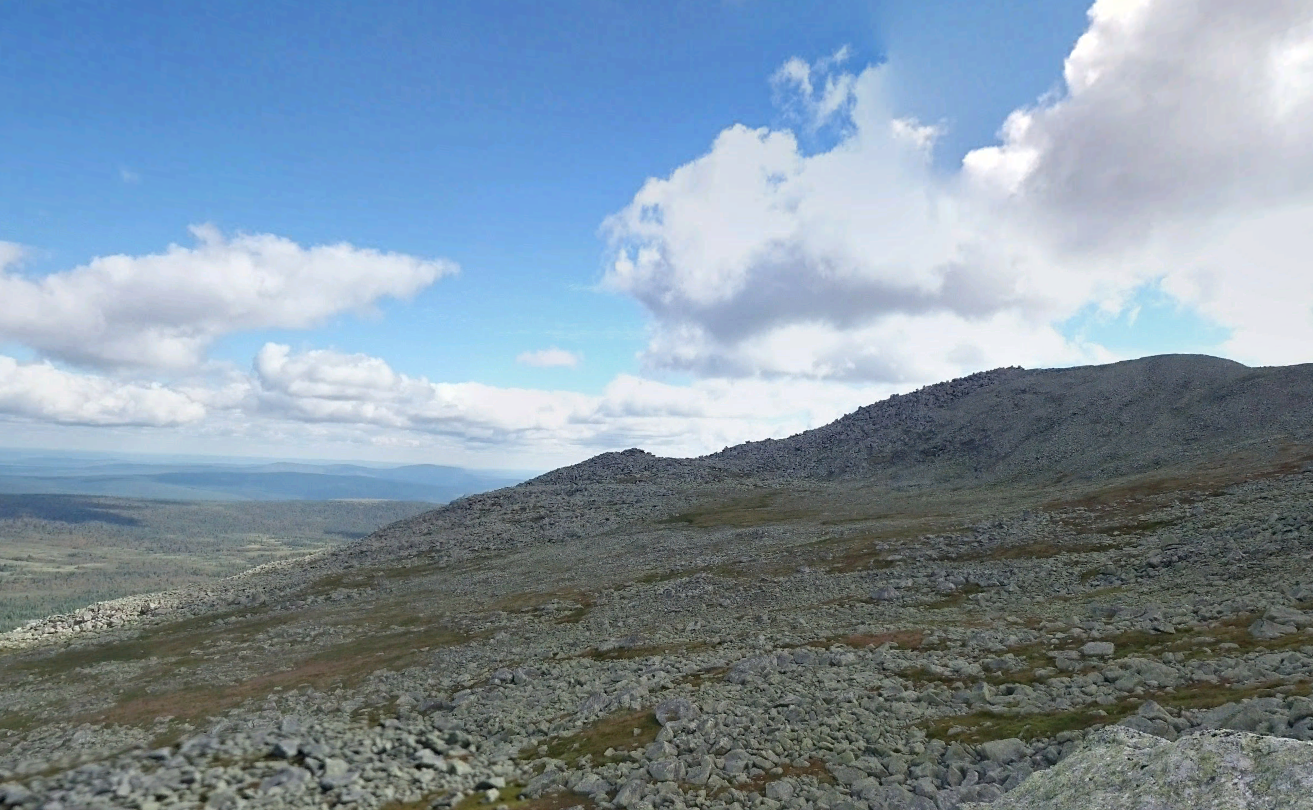
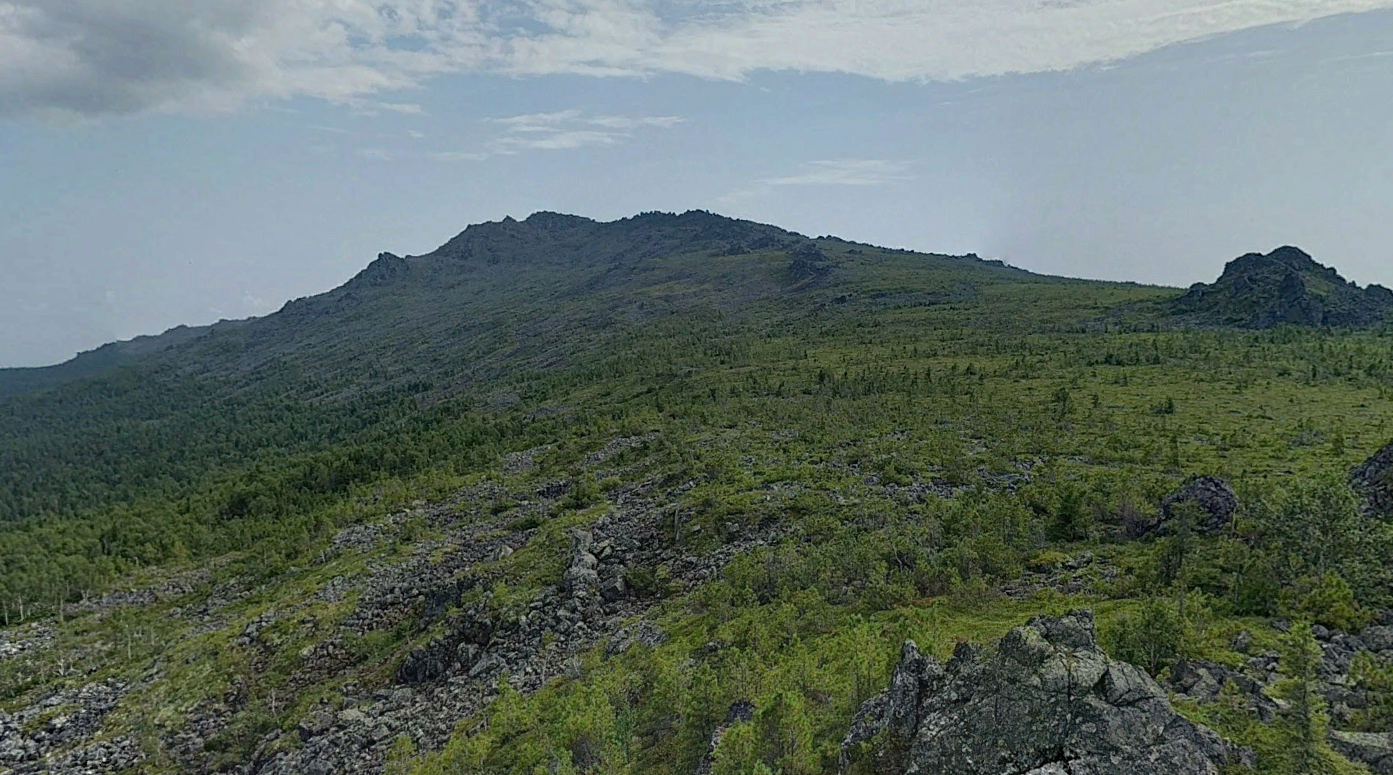
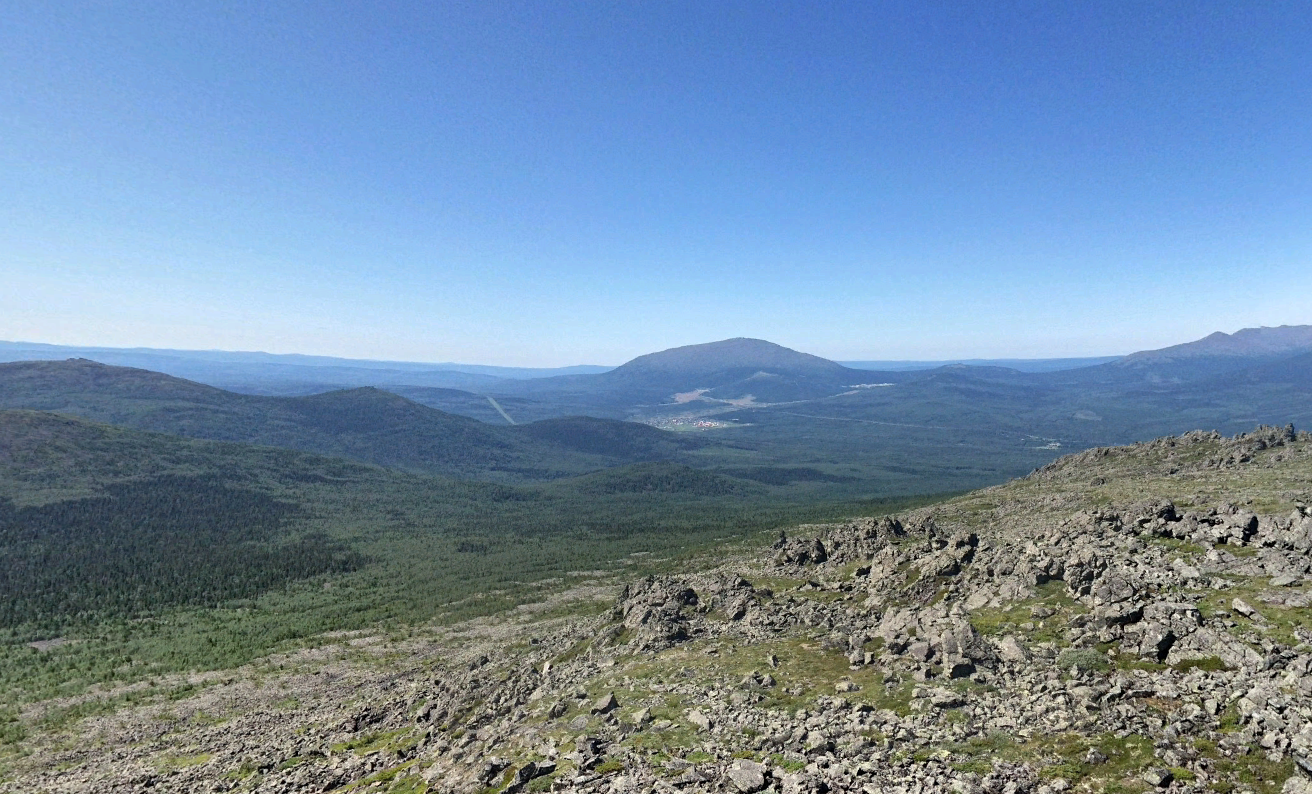
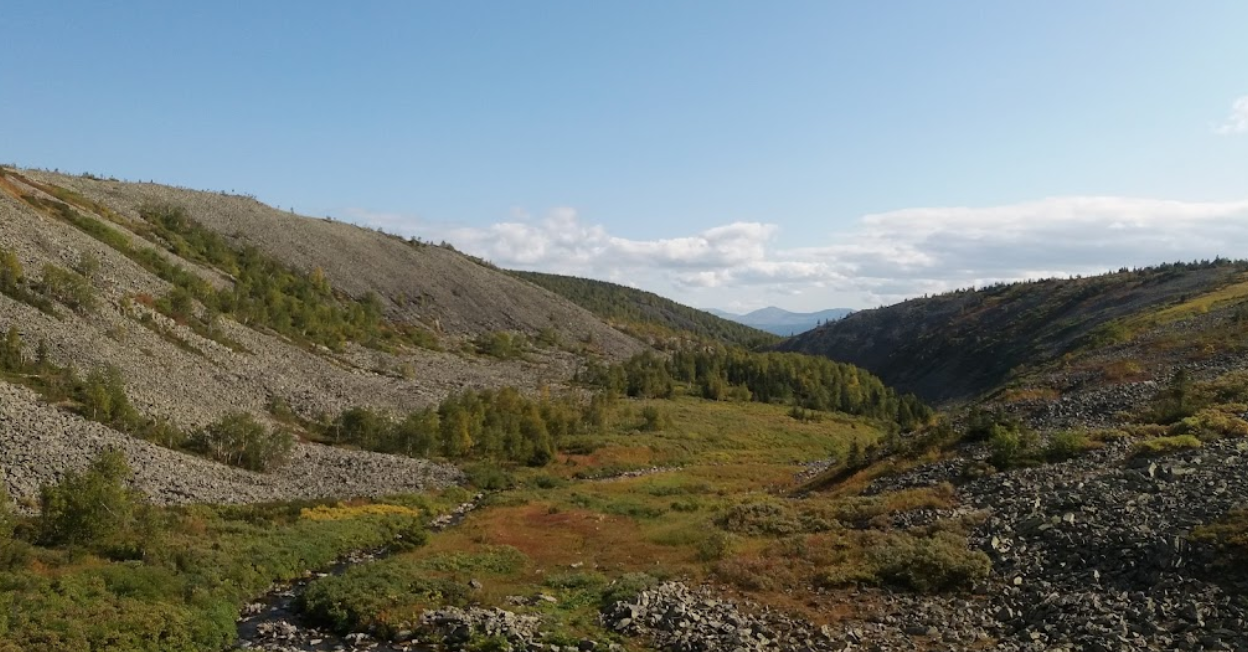
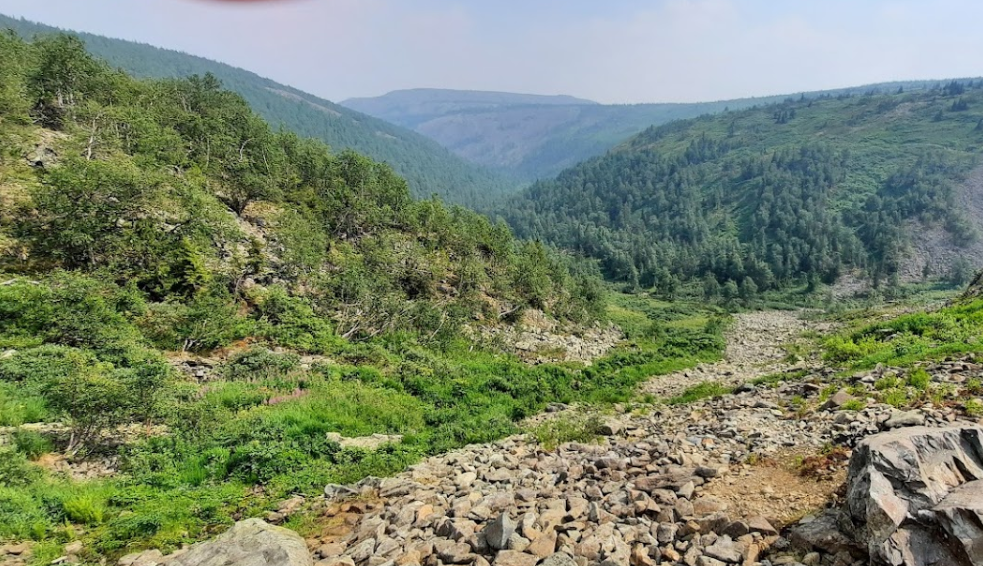
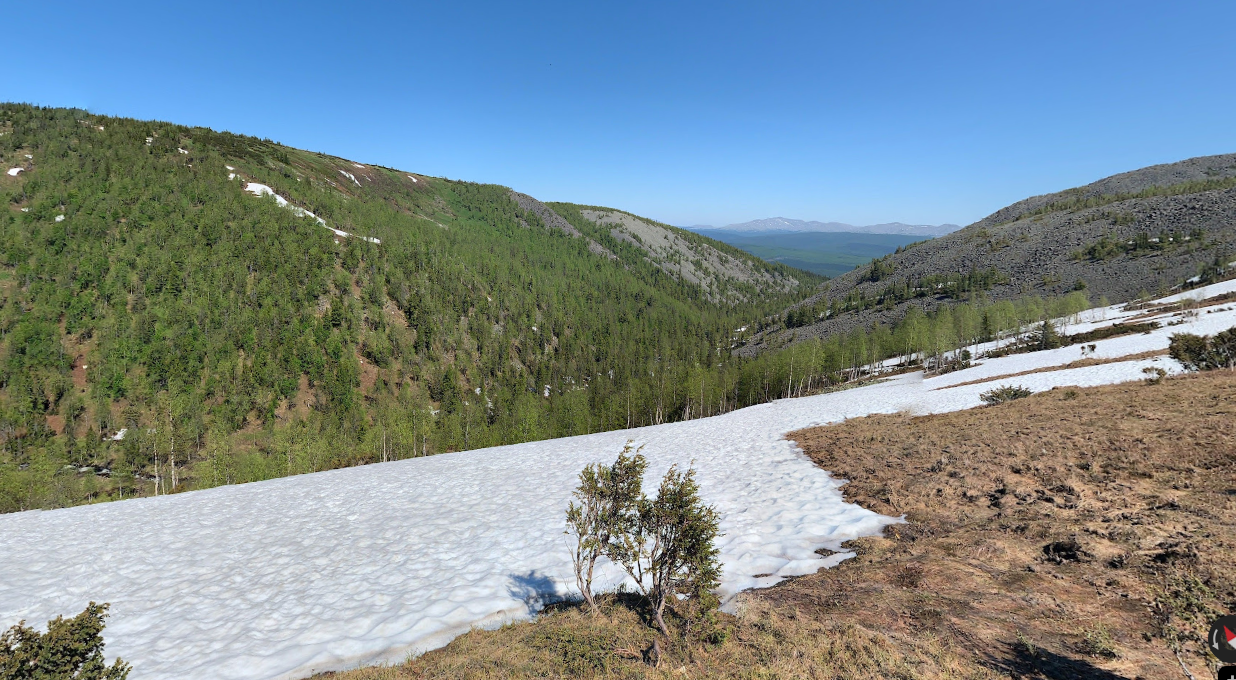
Ural open spruce (Picea obovata) and birch woodlands (Betula pubescens subsp. czerepanovii) with Larix sibirica, Abies sibirica, with mosses, lichens and dwarf shrubs, partly alternating with tall-herb communities or with tundras
Description
Three-layered mountain spruce as well as birch forests at the upper tree line with scattered Larix sibirica, Abies sibirica; locally larch forests. The stands reach 4-6 m, and occasionally 12 m in height; numerous trees feature wind-stunted forms and tree-top desiccation. The herb layer is dwarf shrub-rich. The stands with evergreen conifers (Picea obovata, Abies sibirica) are relatively dense (60-80 % cover). They contain numerous boreal forest species (Vaccinium myrtillus, Linnaea borealis, Trientalis europaea) and a well-developed moss layer. The open birch and larch forests reach 20-30 % coverage and feature many meadow and mountain tundra plants in the herb layer as well as a weakly developed moss layer.
Tree Layer
Picea obovata (Siberian Spruce), Betula pubescens subsp. Czerepanovii (Downy Birch), Larix sibirica (European Larch), Abies sibirica (Siberian Fir)
Siberian Spruce, Downy Birch, Siberian Spruce and Siberian Fir
Shrub Layer
Juniperus communis subsp. Alpina (Juniper), Salix glauca (White Willow Bush), Salix lanata (White Willow Bush), Betula nana (dwarf_birch)
Fir, Spruce and Alder saplings
Lianas
No details
Herb Layer
Vaccinium myrtillus (bilberry_bush), Vaccinium uliginosum (bog_blueberry_bush), Empetrum hermaphroditum (bilberry_bush), Deschampsia flexuosa (lush_grass), Linnaea borealis (ABSENT), Trientalis europaea (greater_wood_rush)
Slopes of Erebor, the Iron Hills and the northern slopes of the Grey Mountains